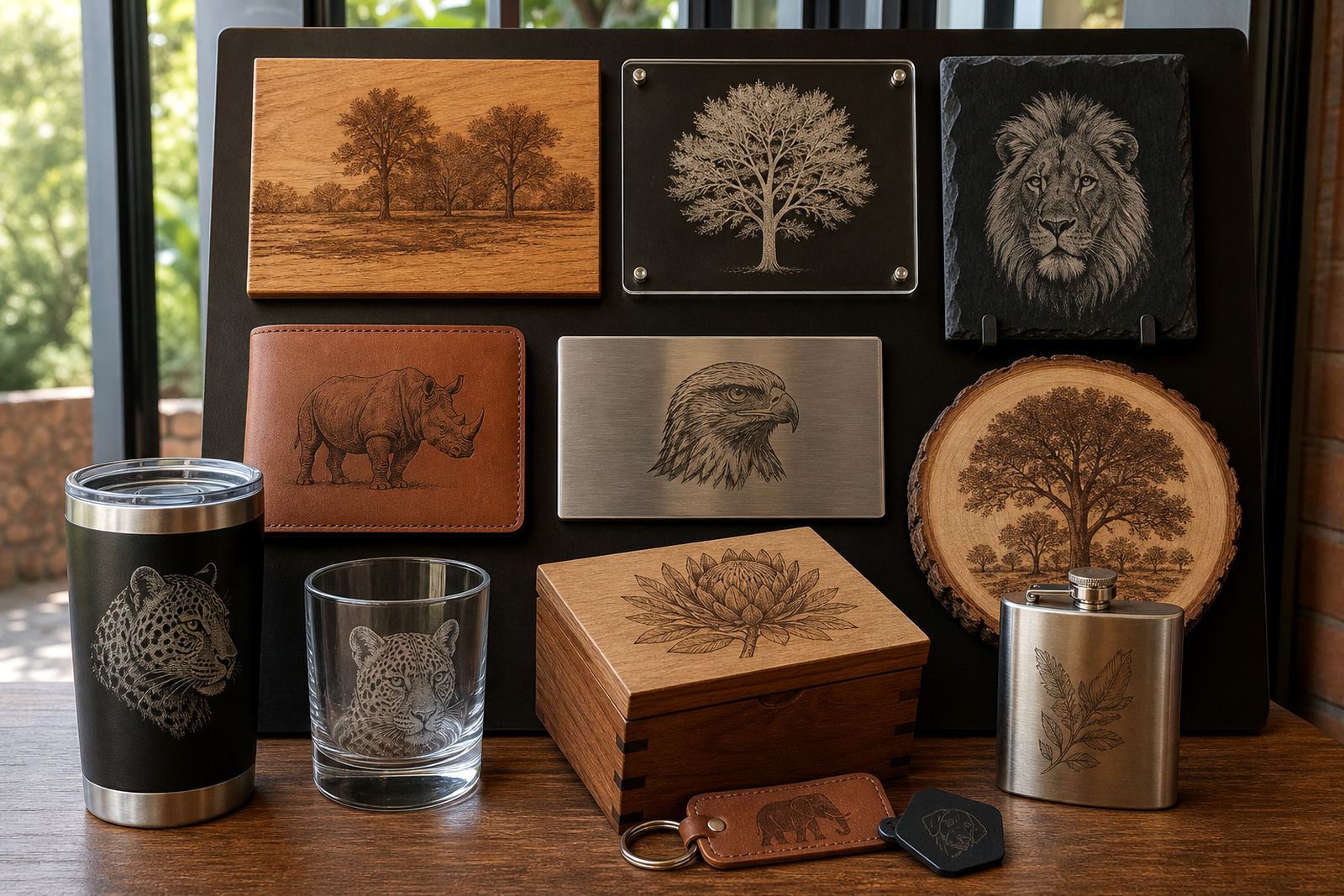
How to choose the right material for your engraving
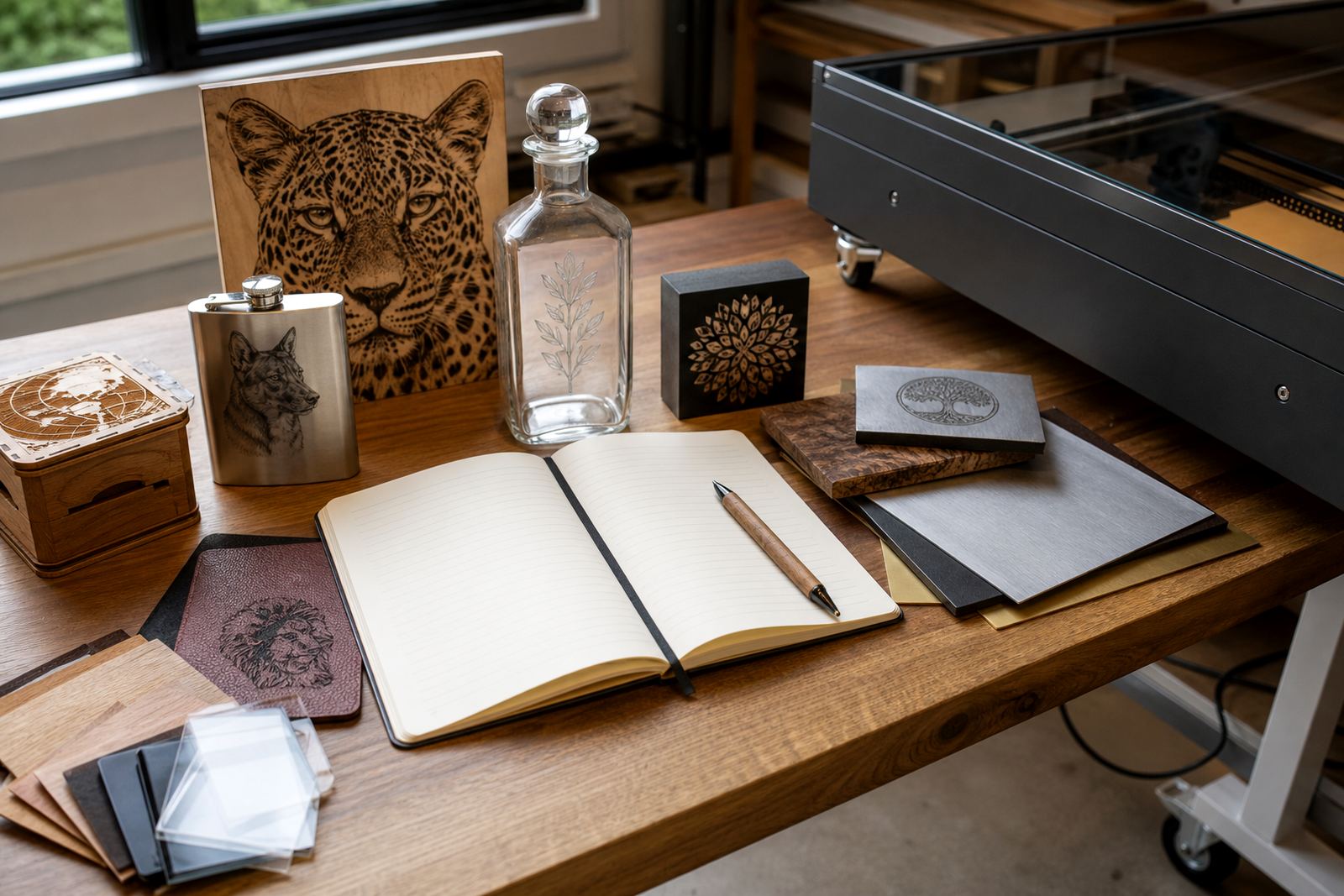
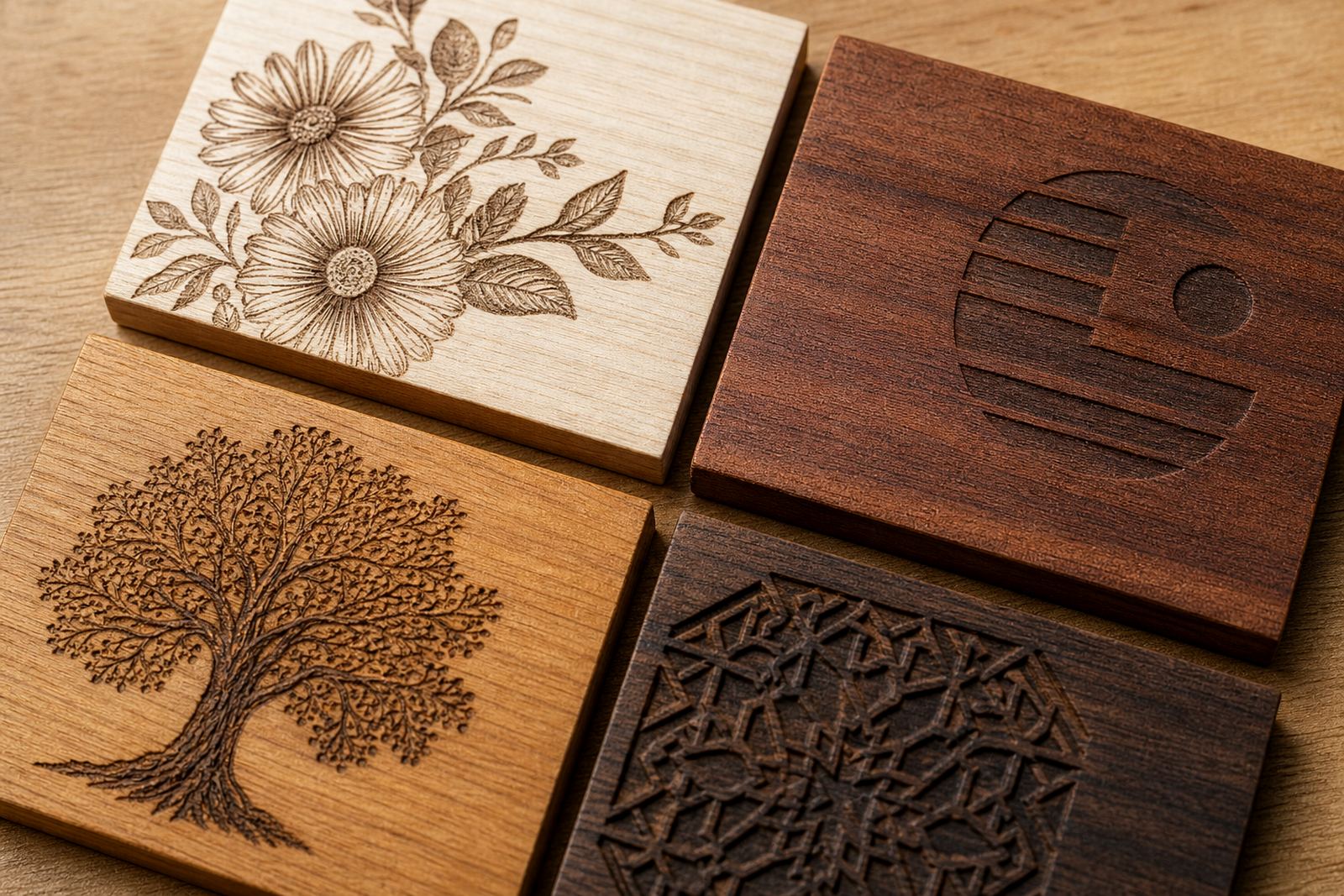
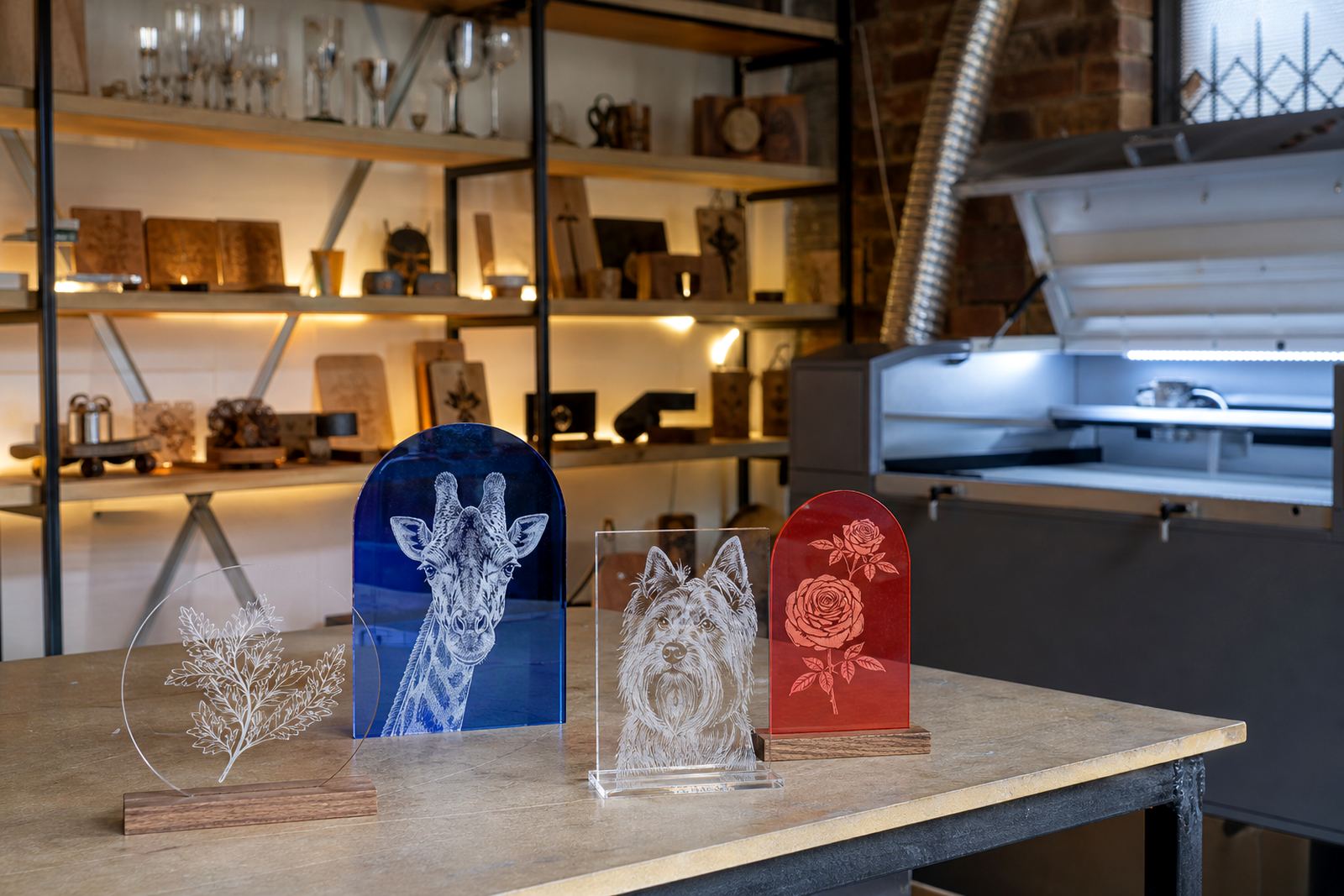
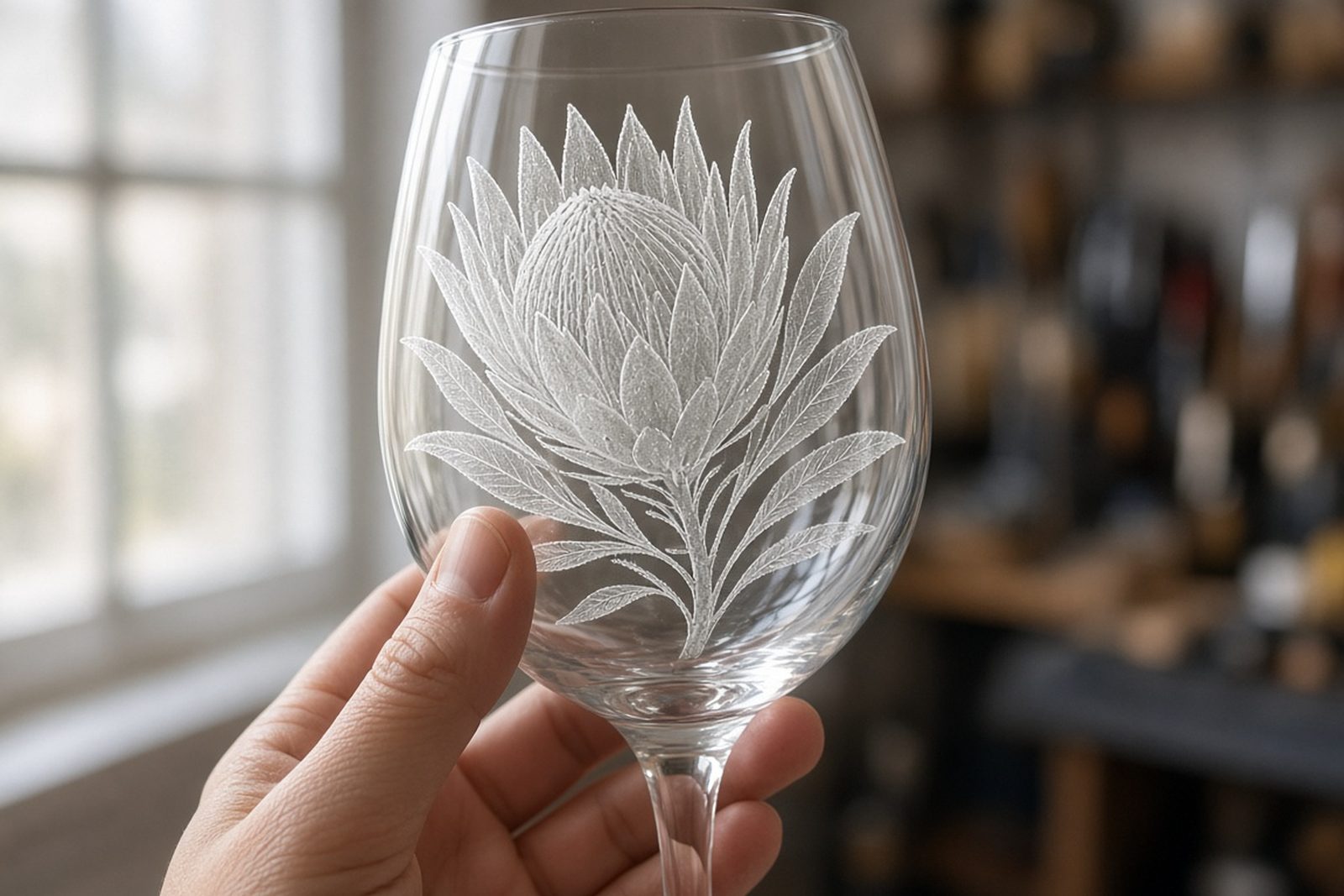
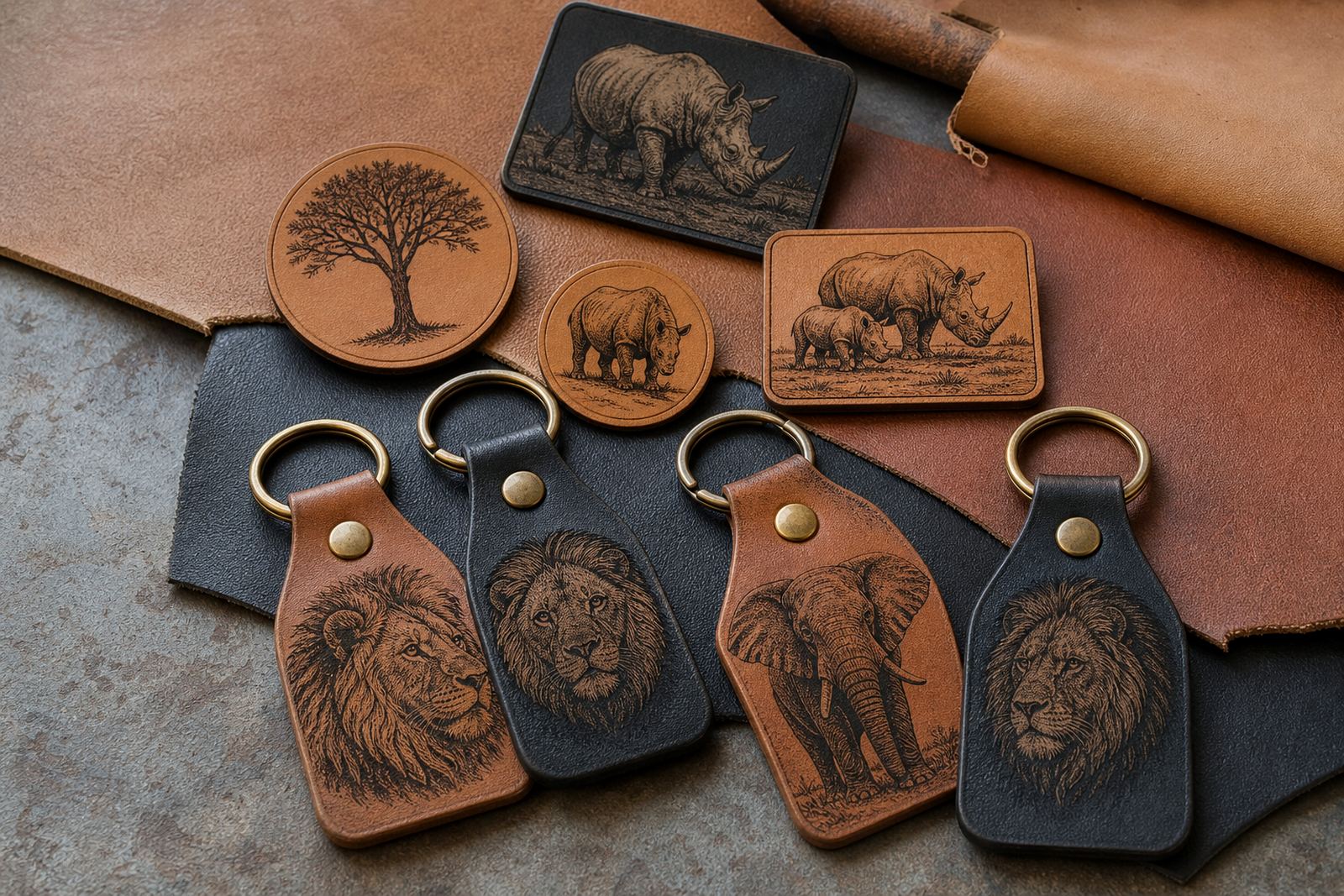
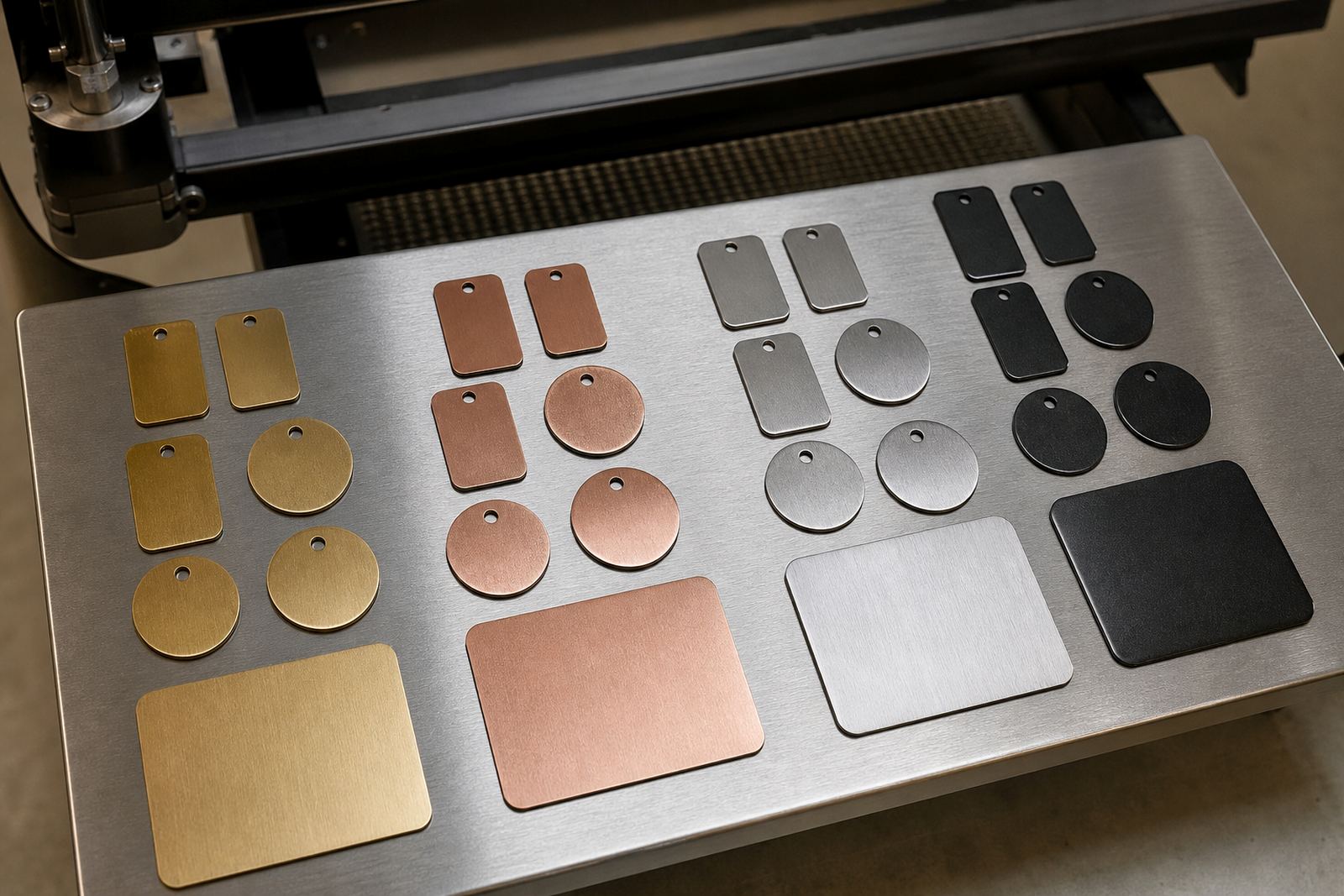
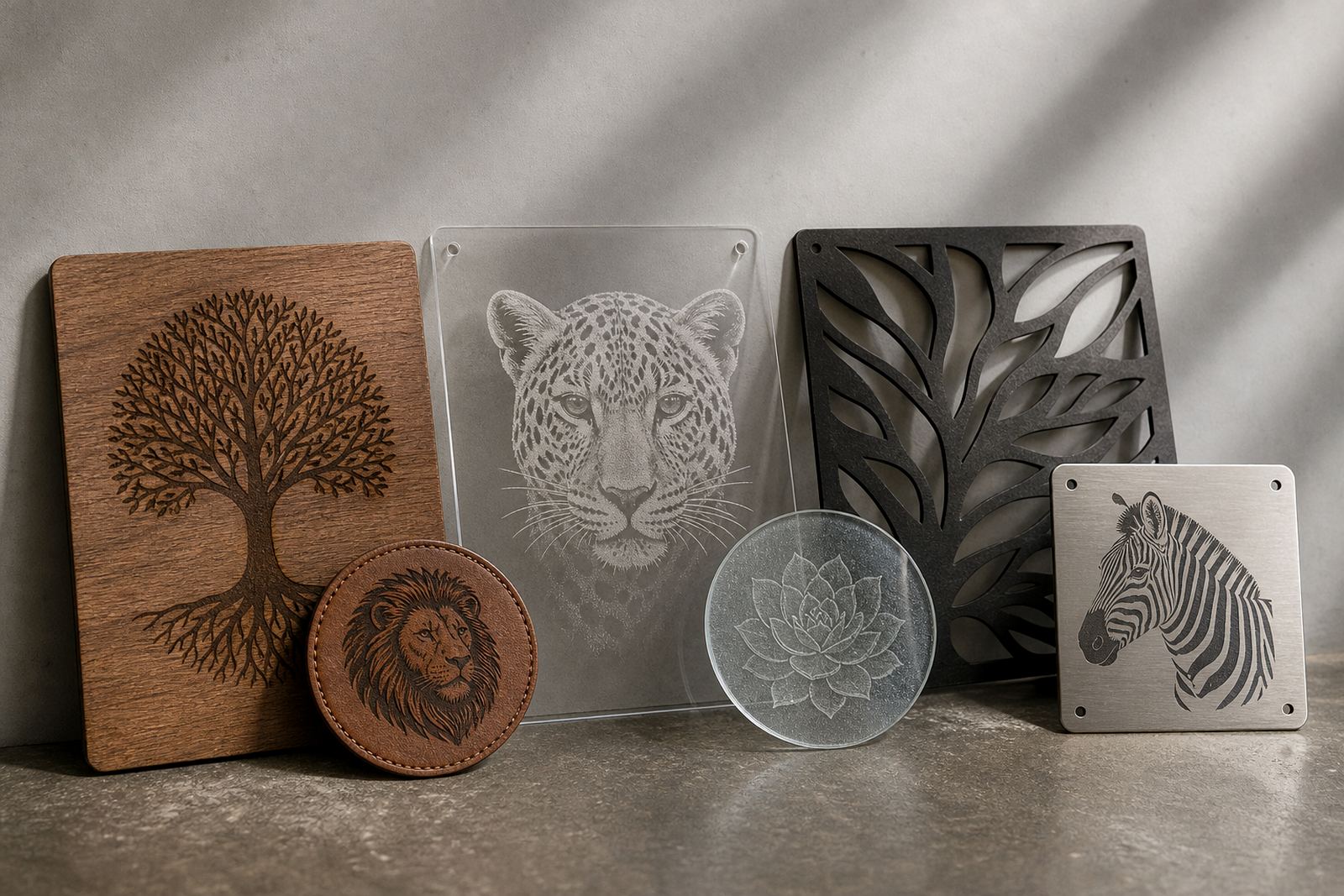
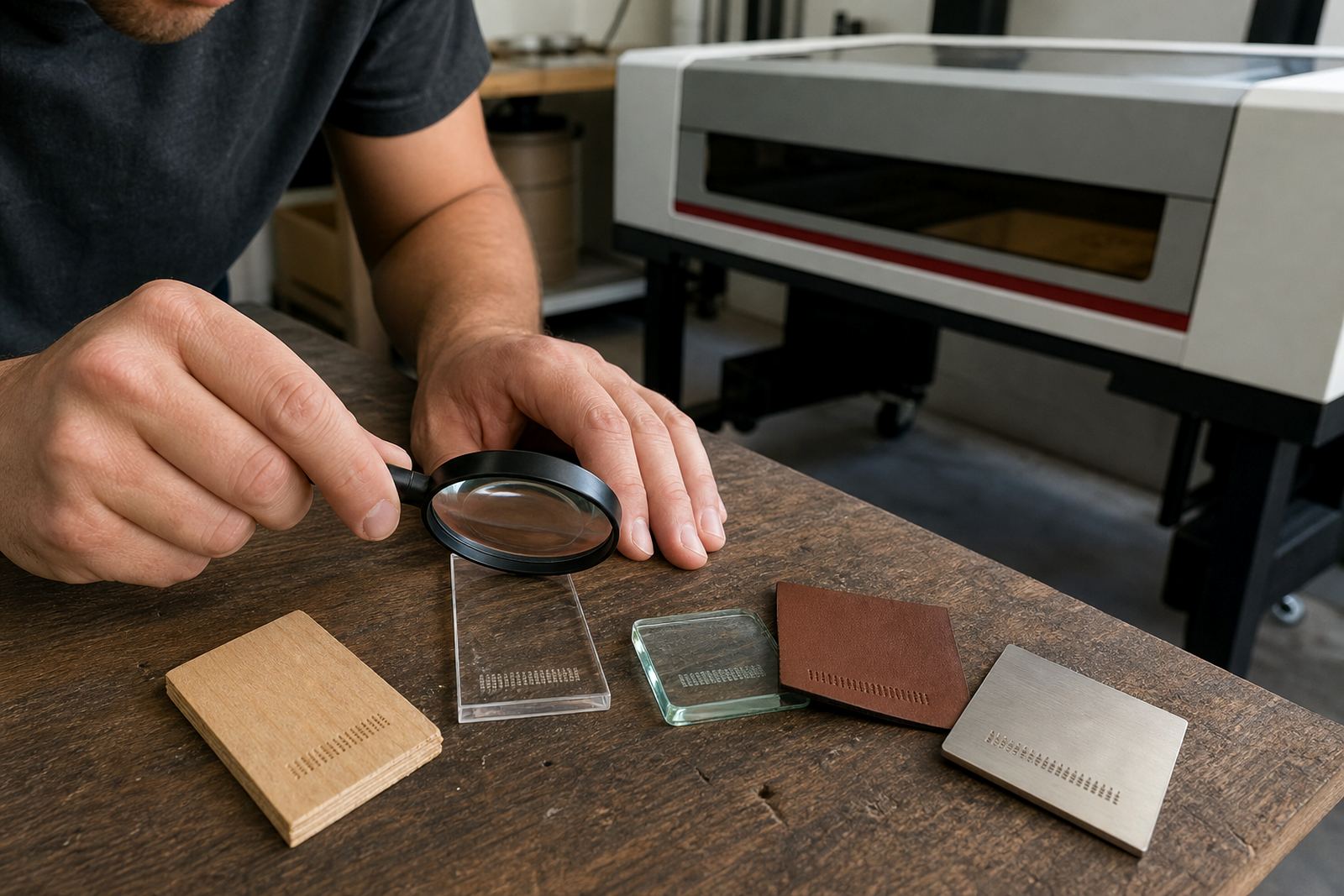
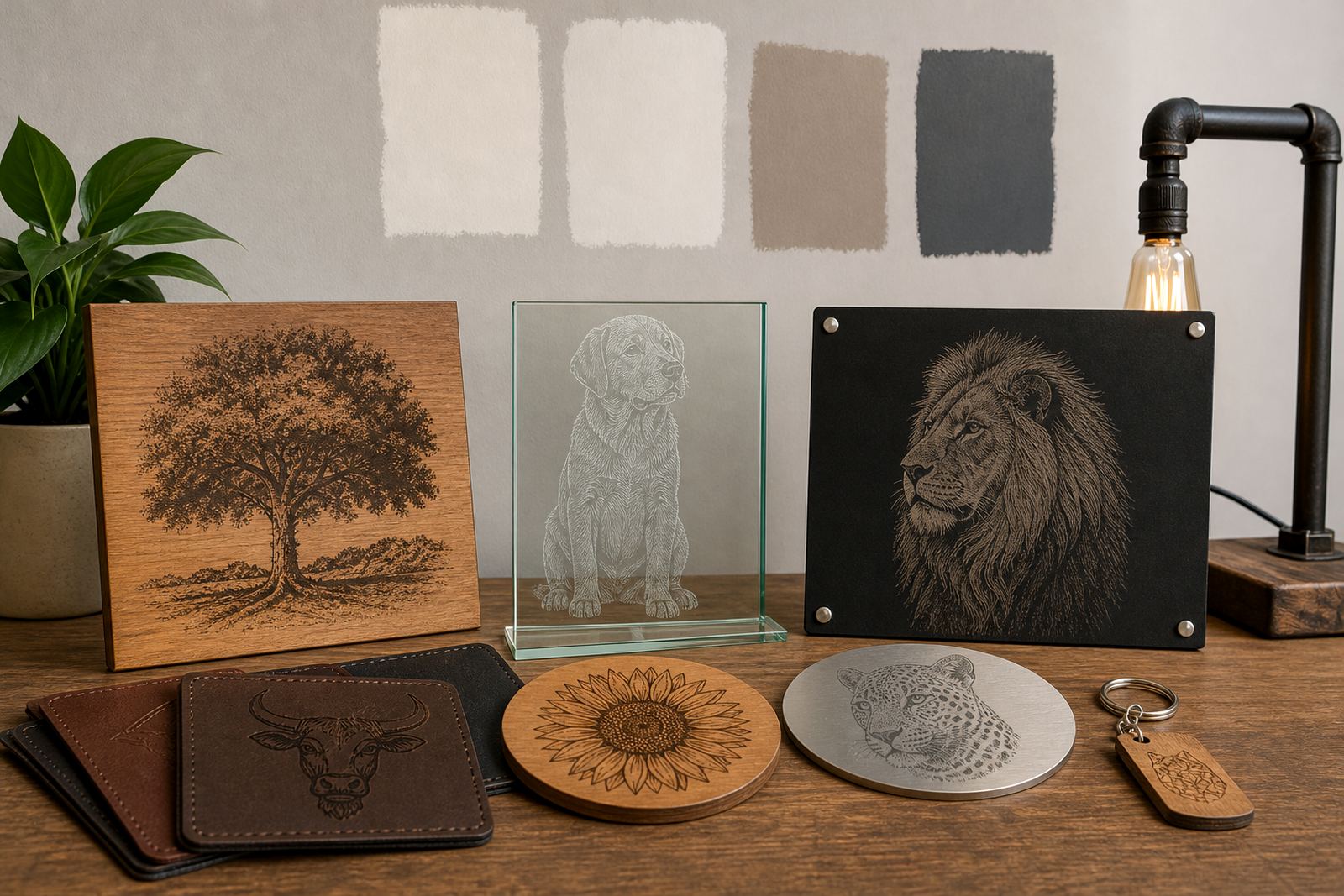
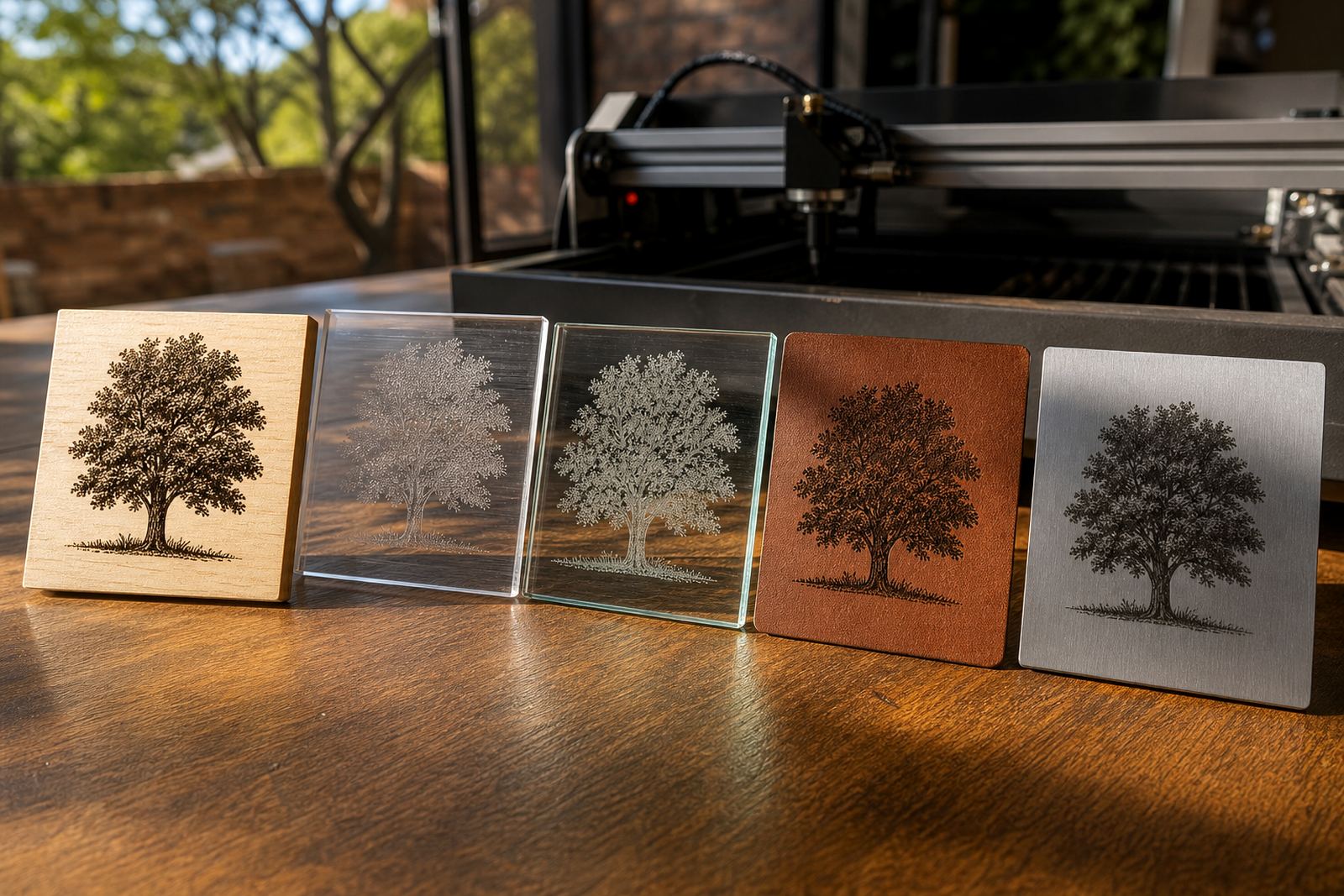
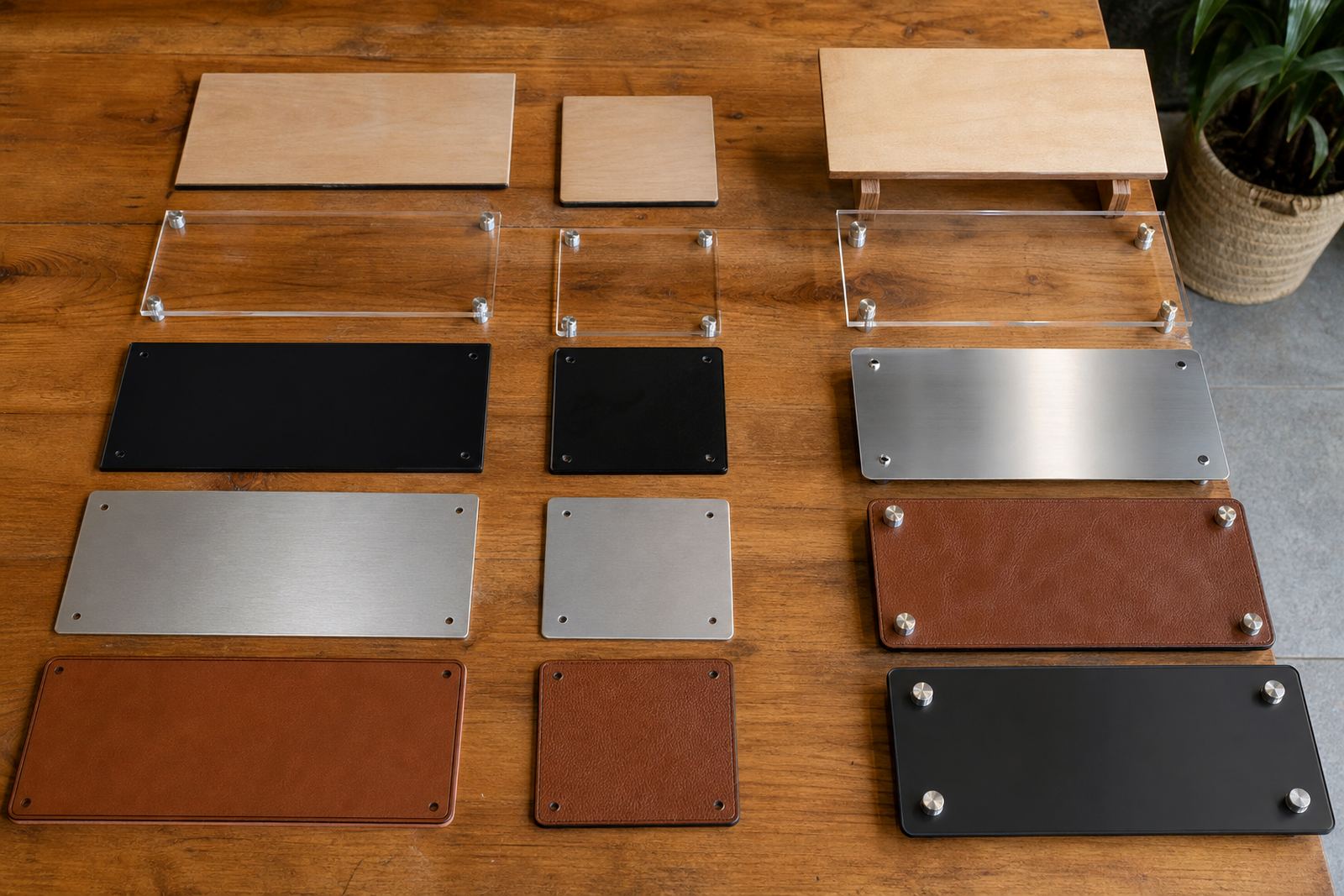
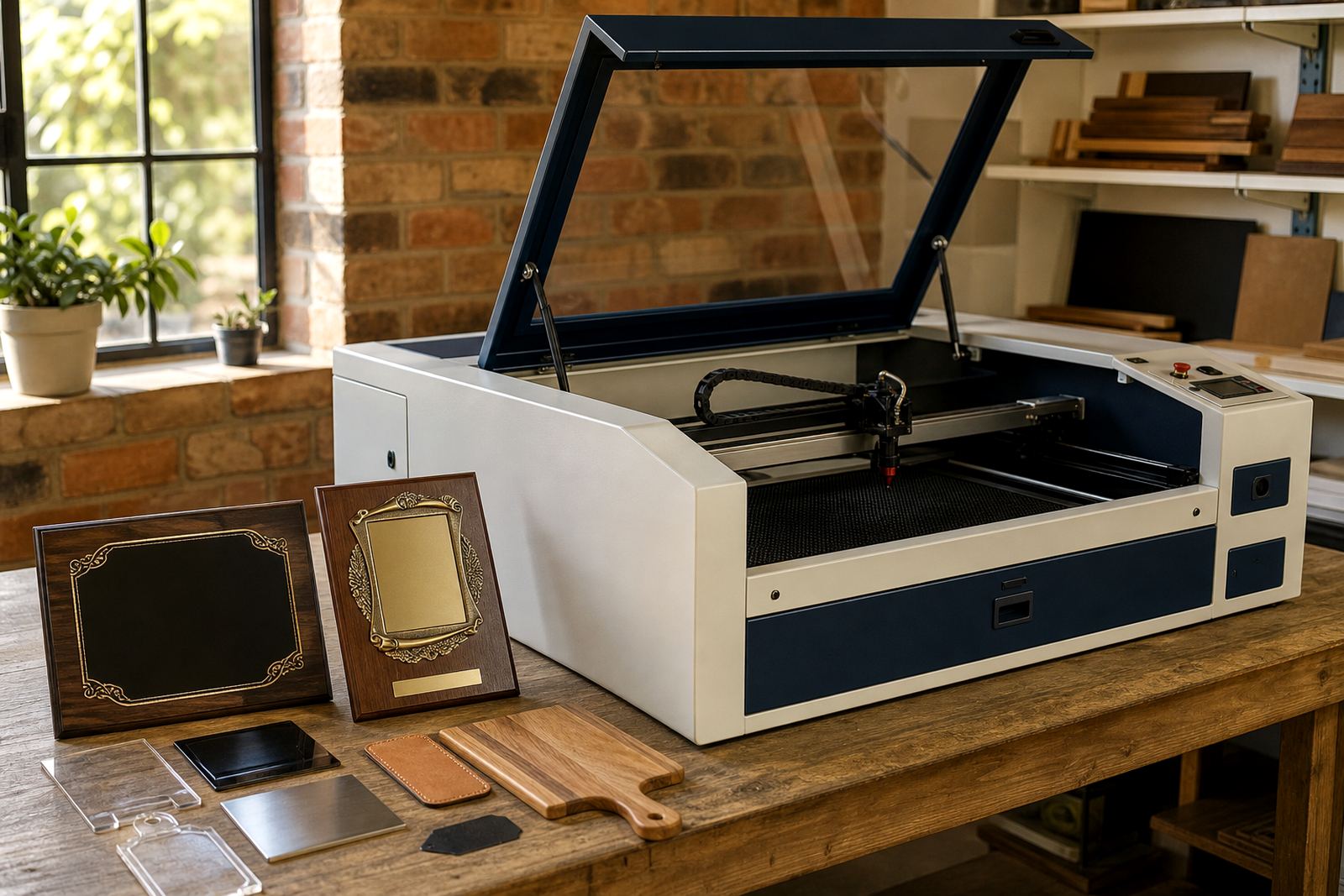
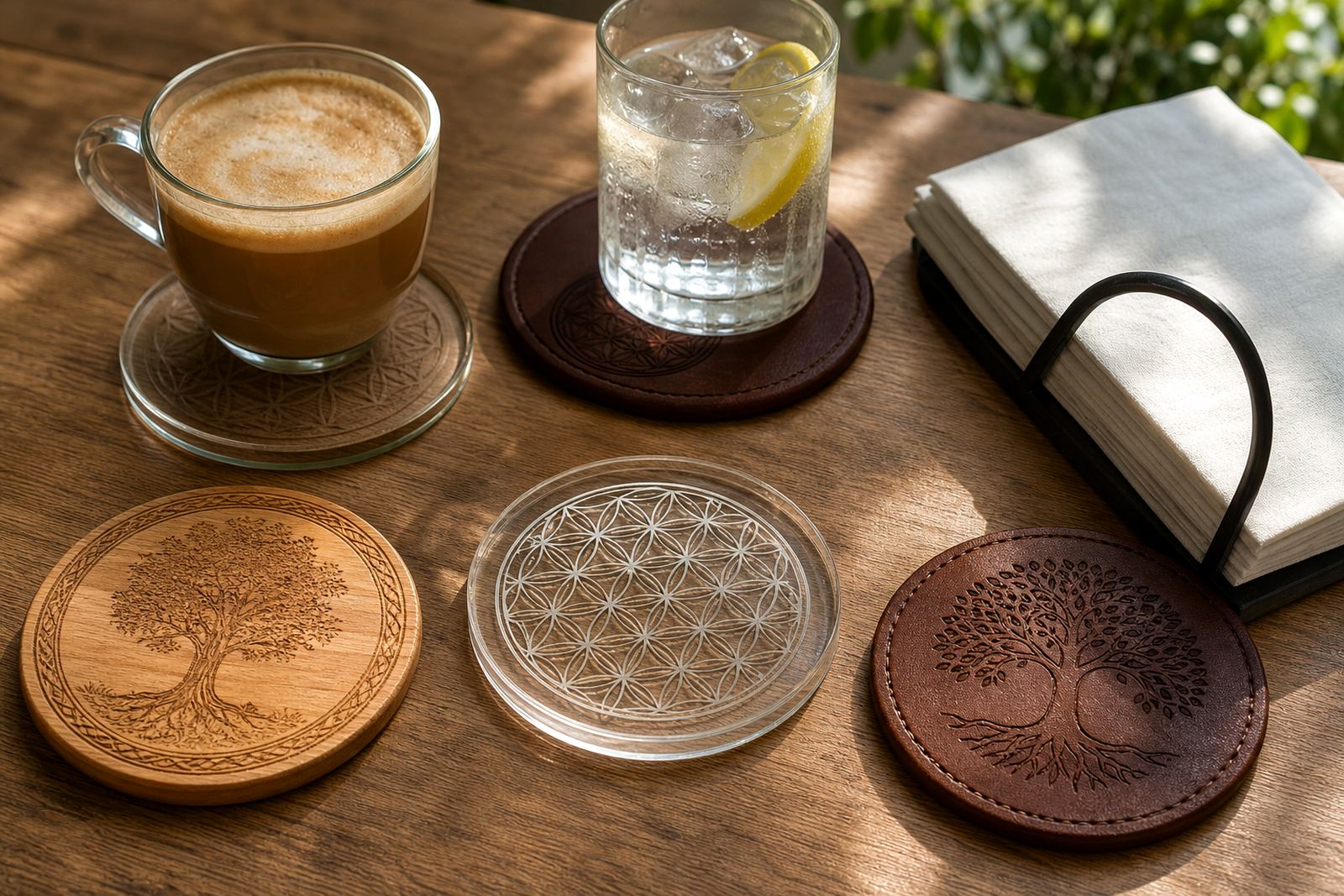
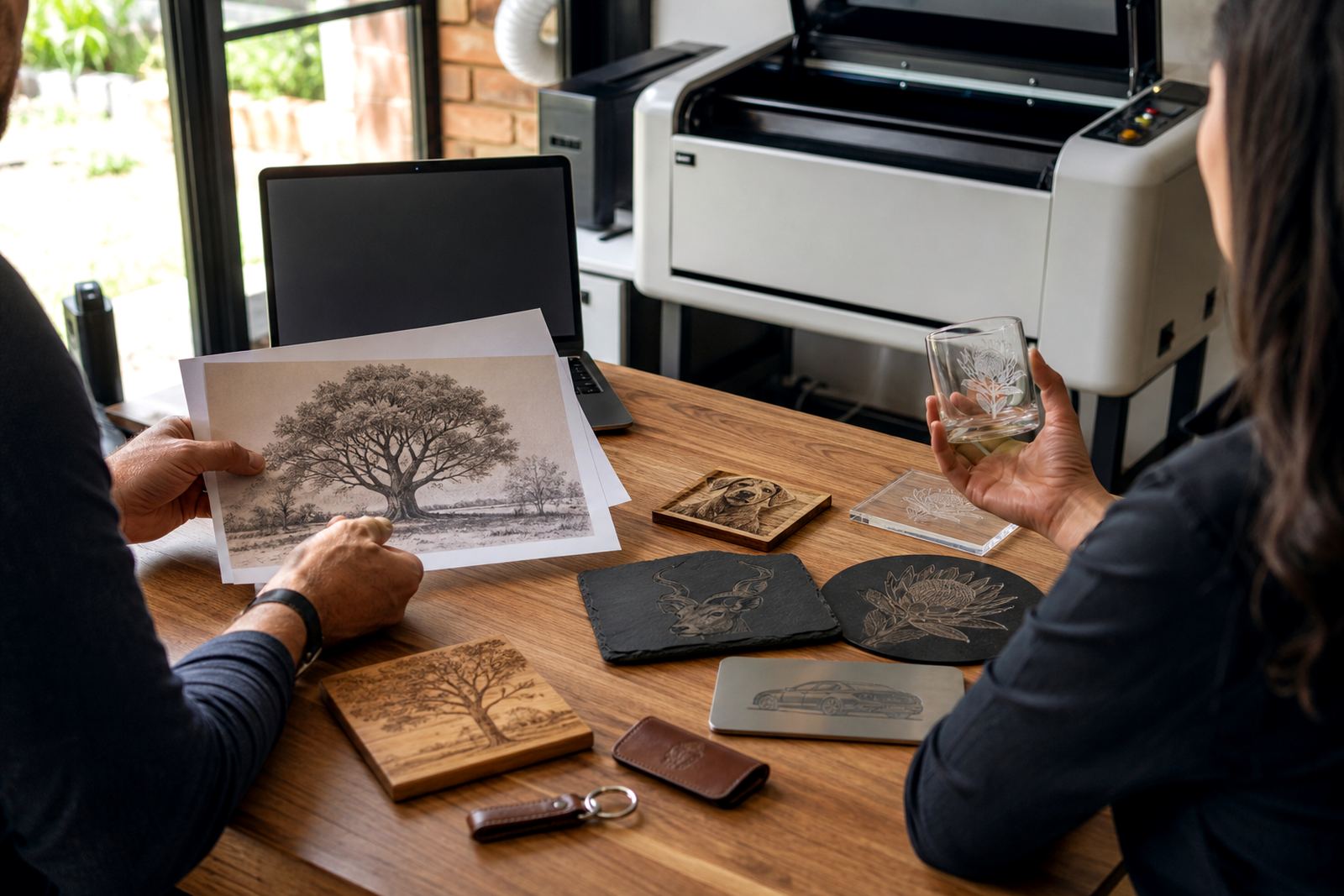
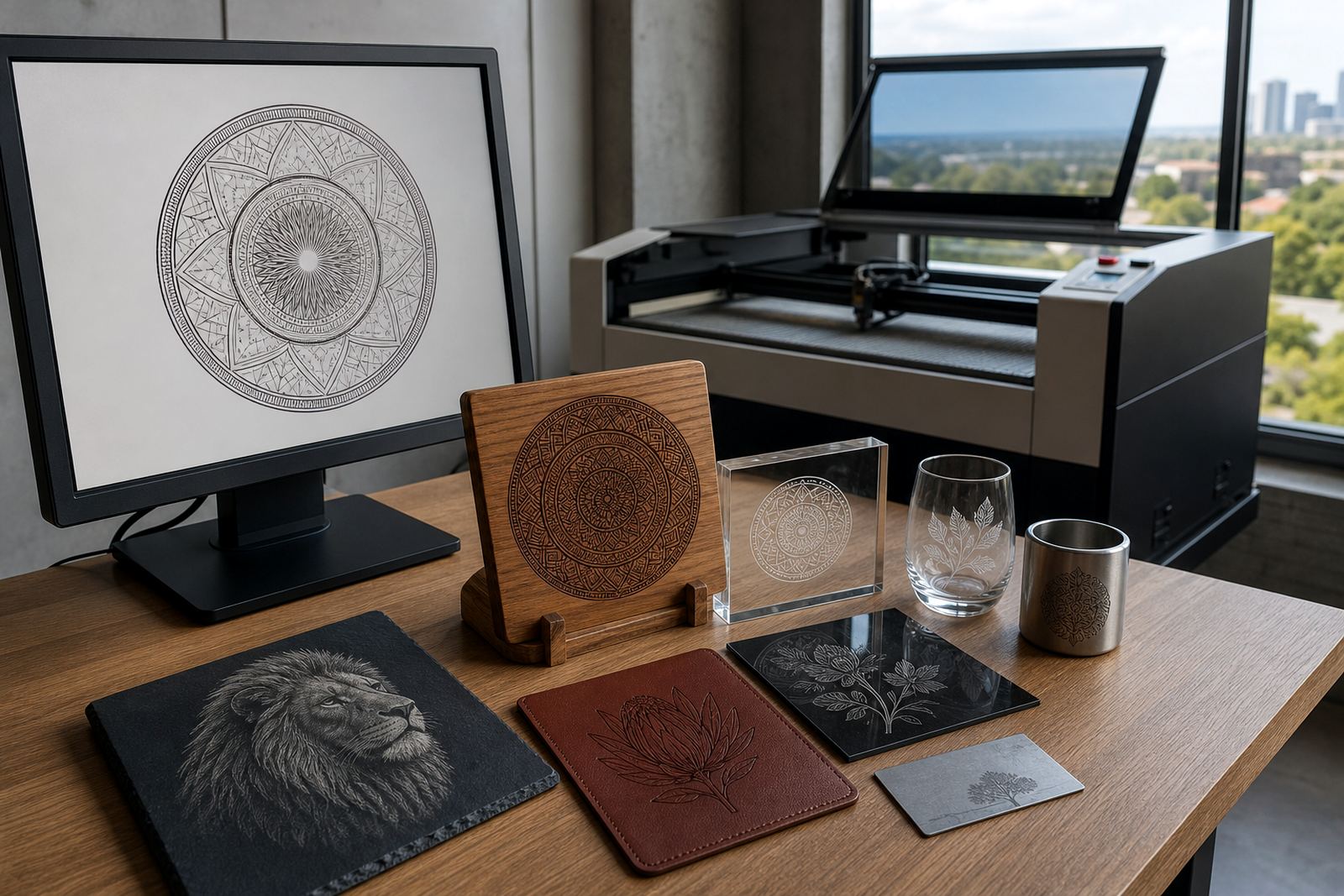
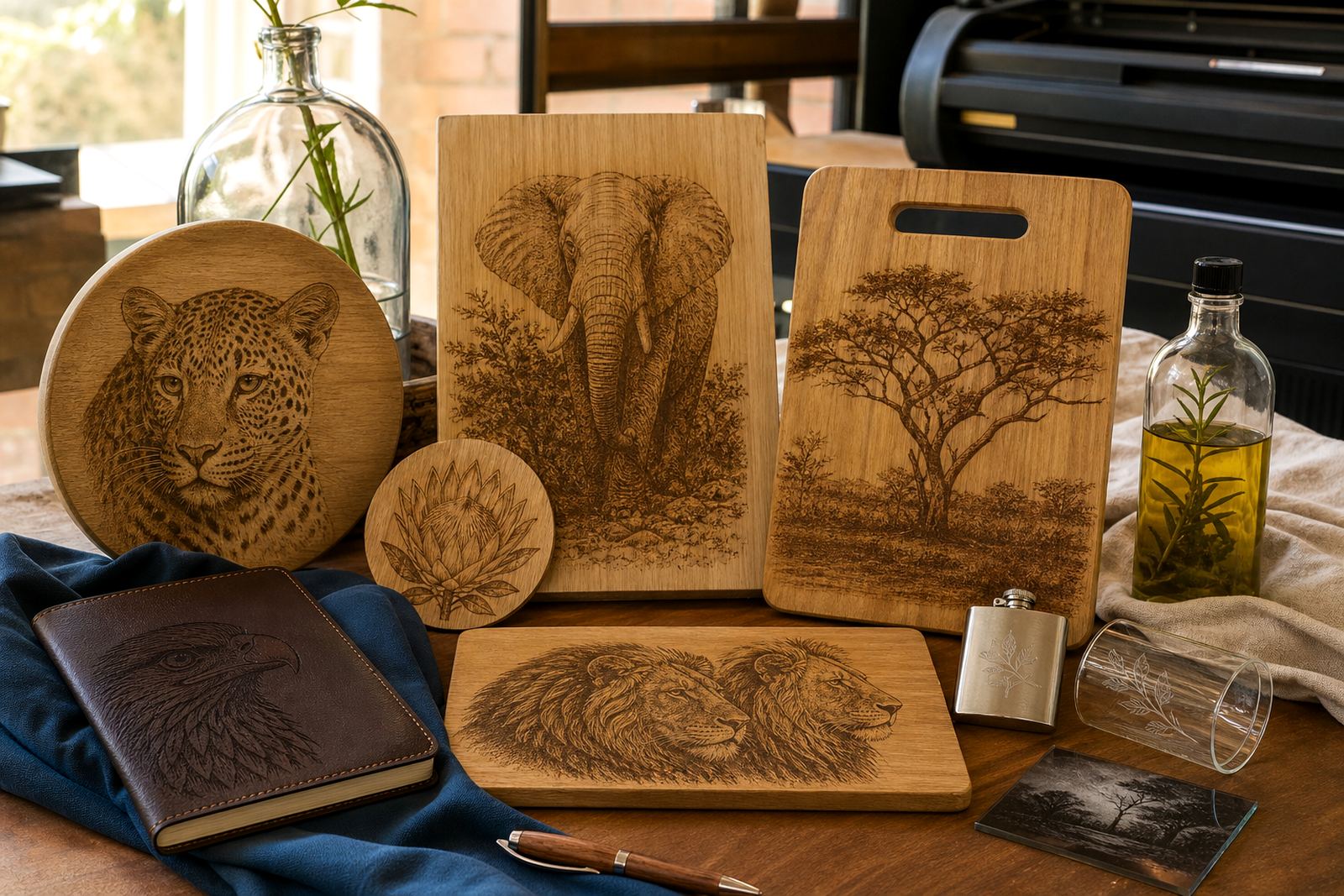
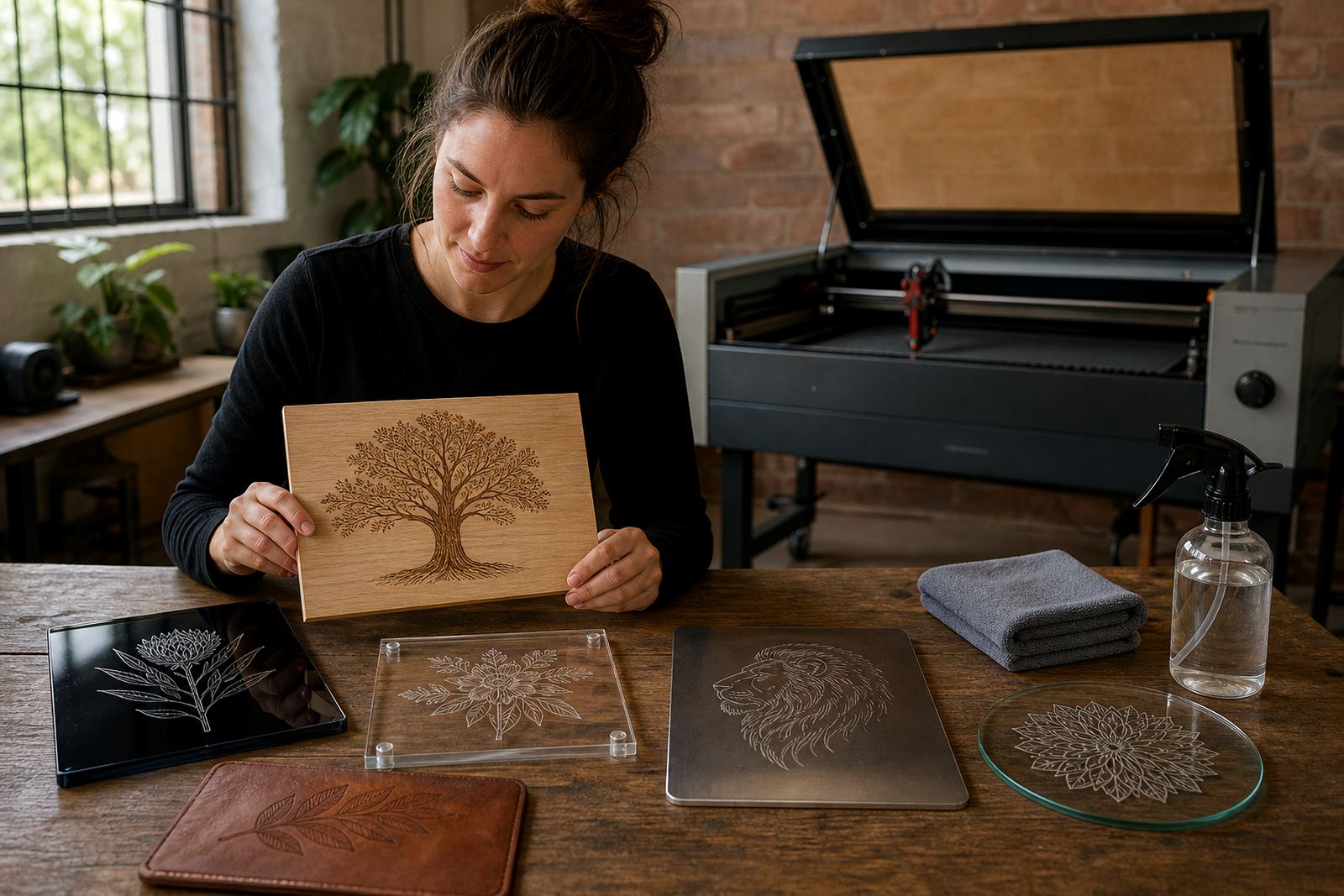
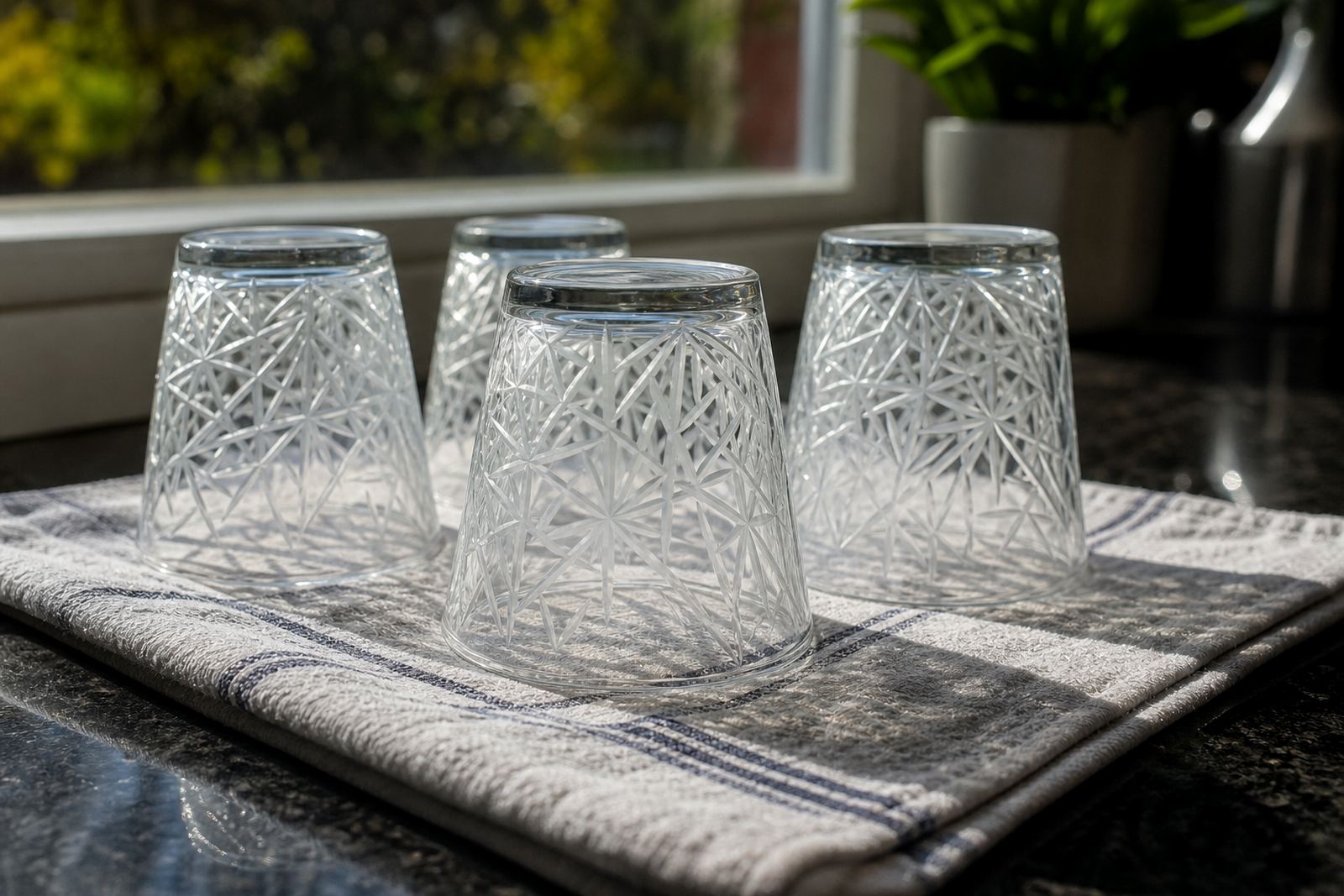
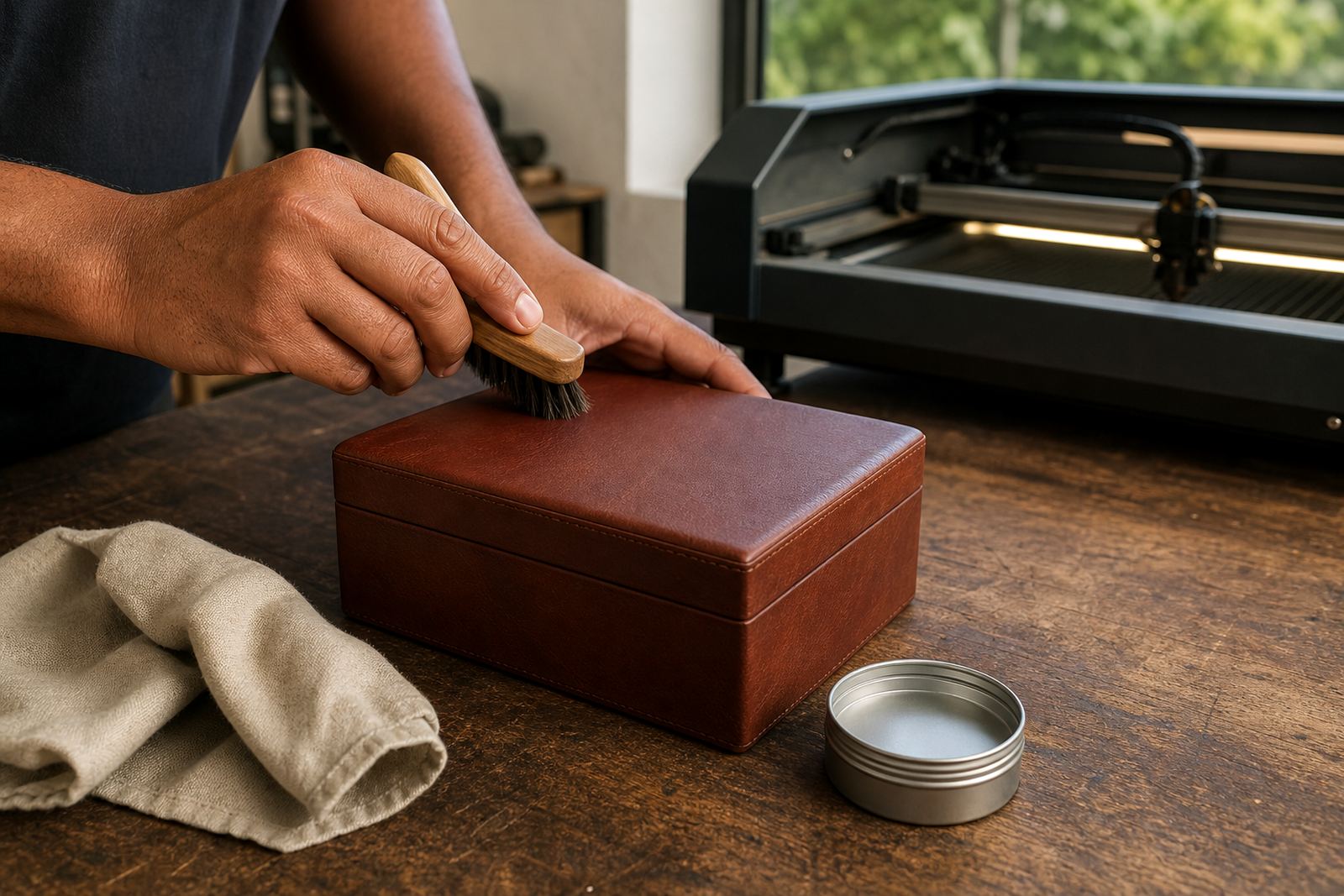
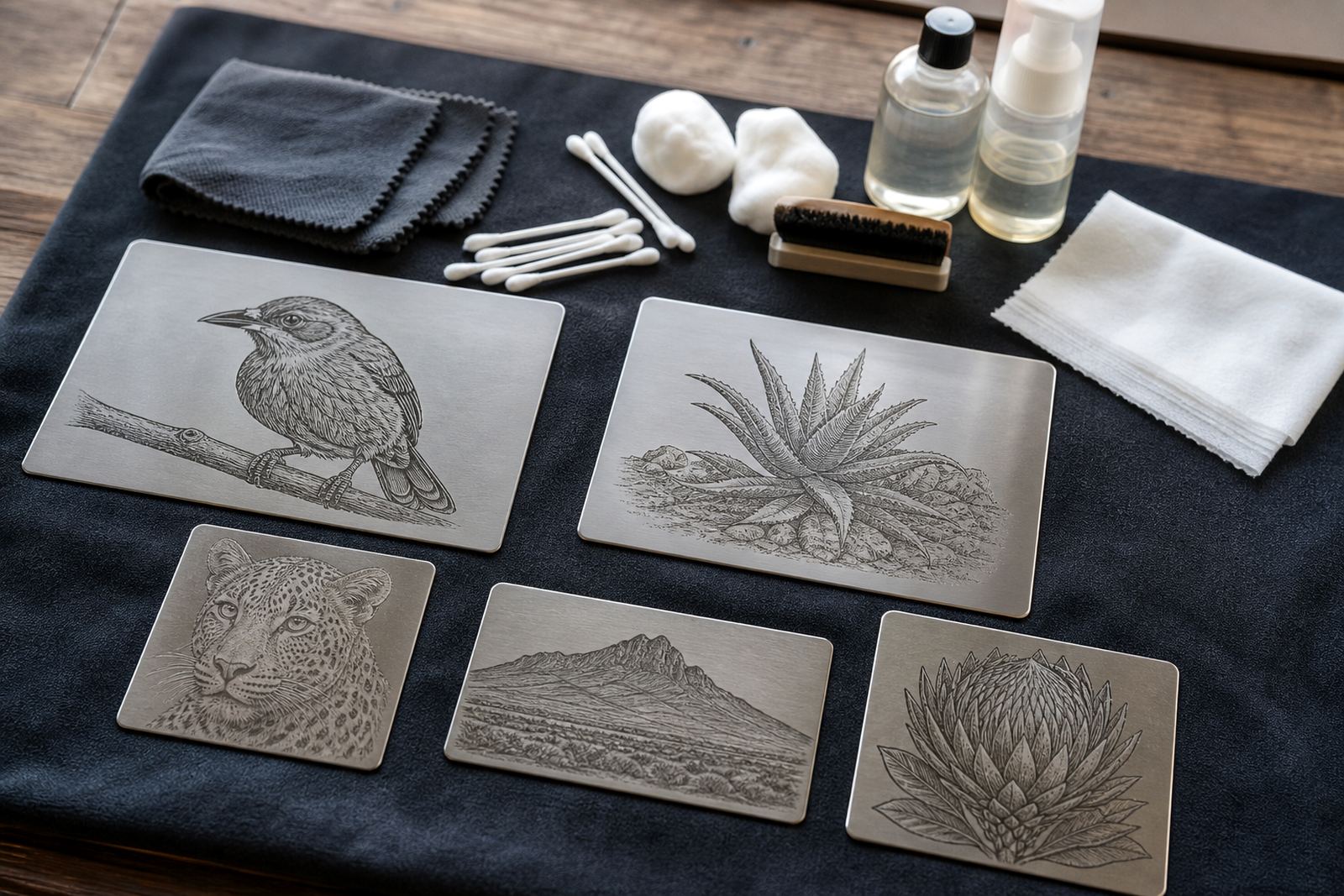
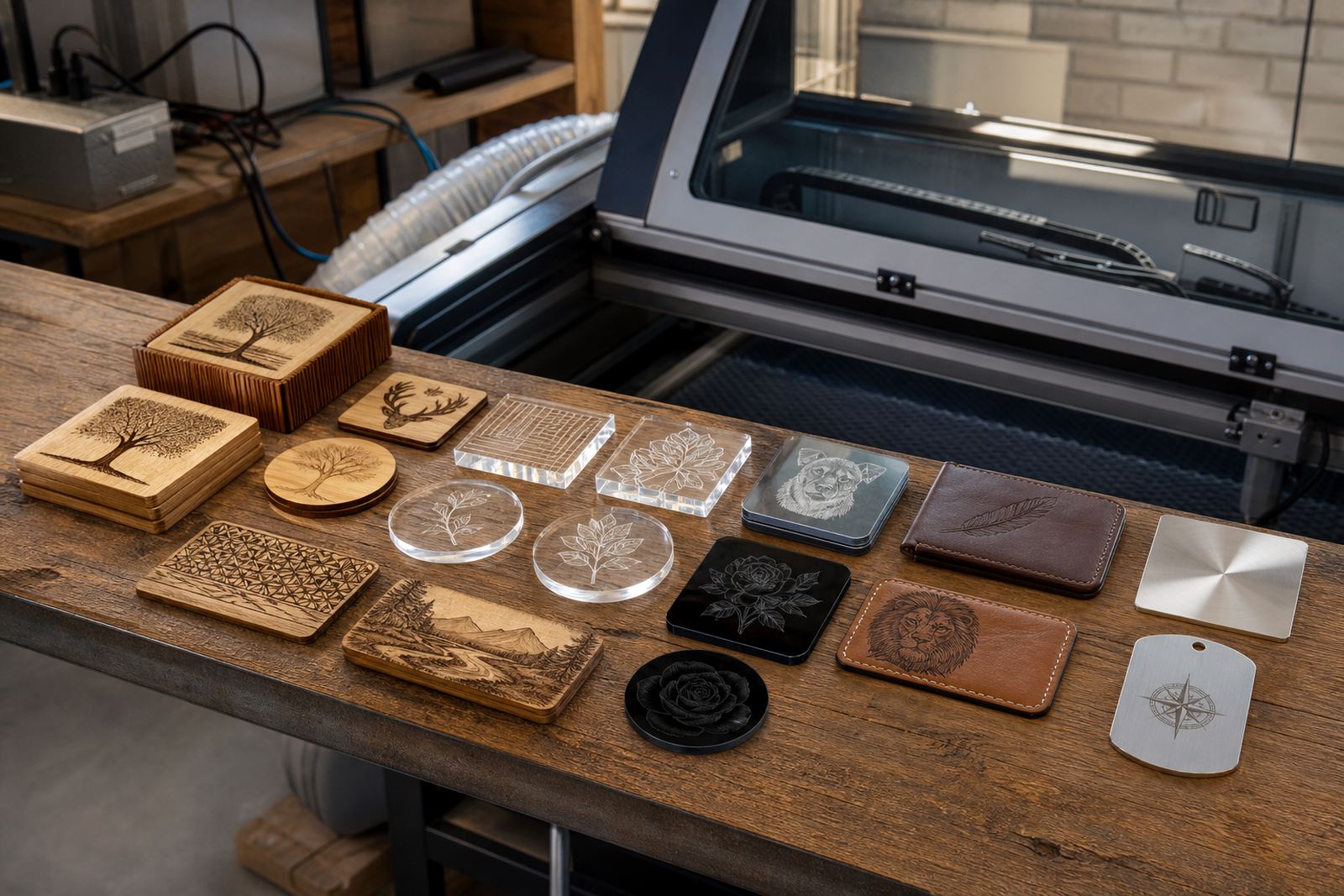
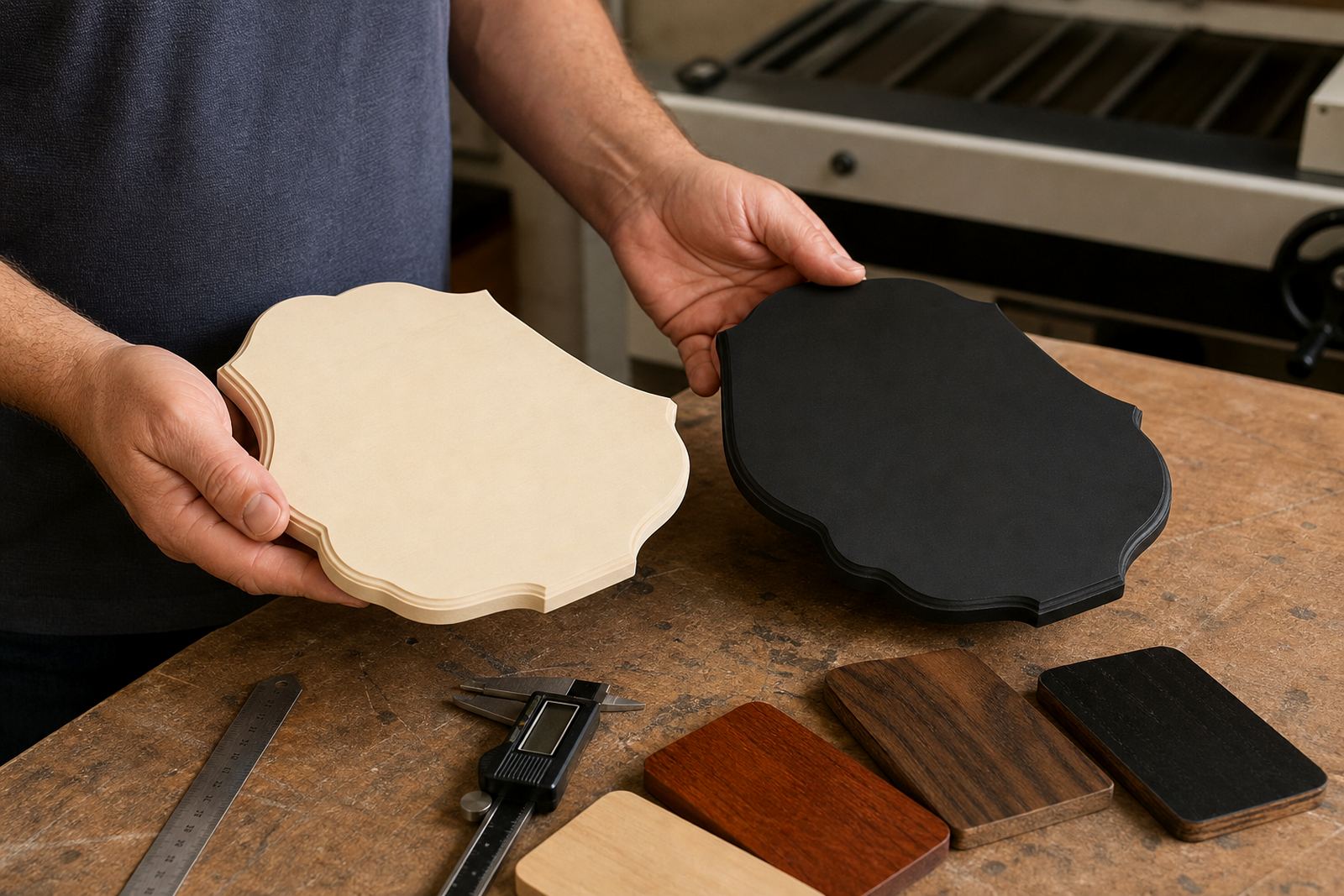
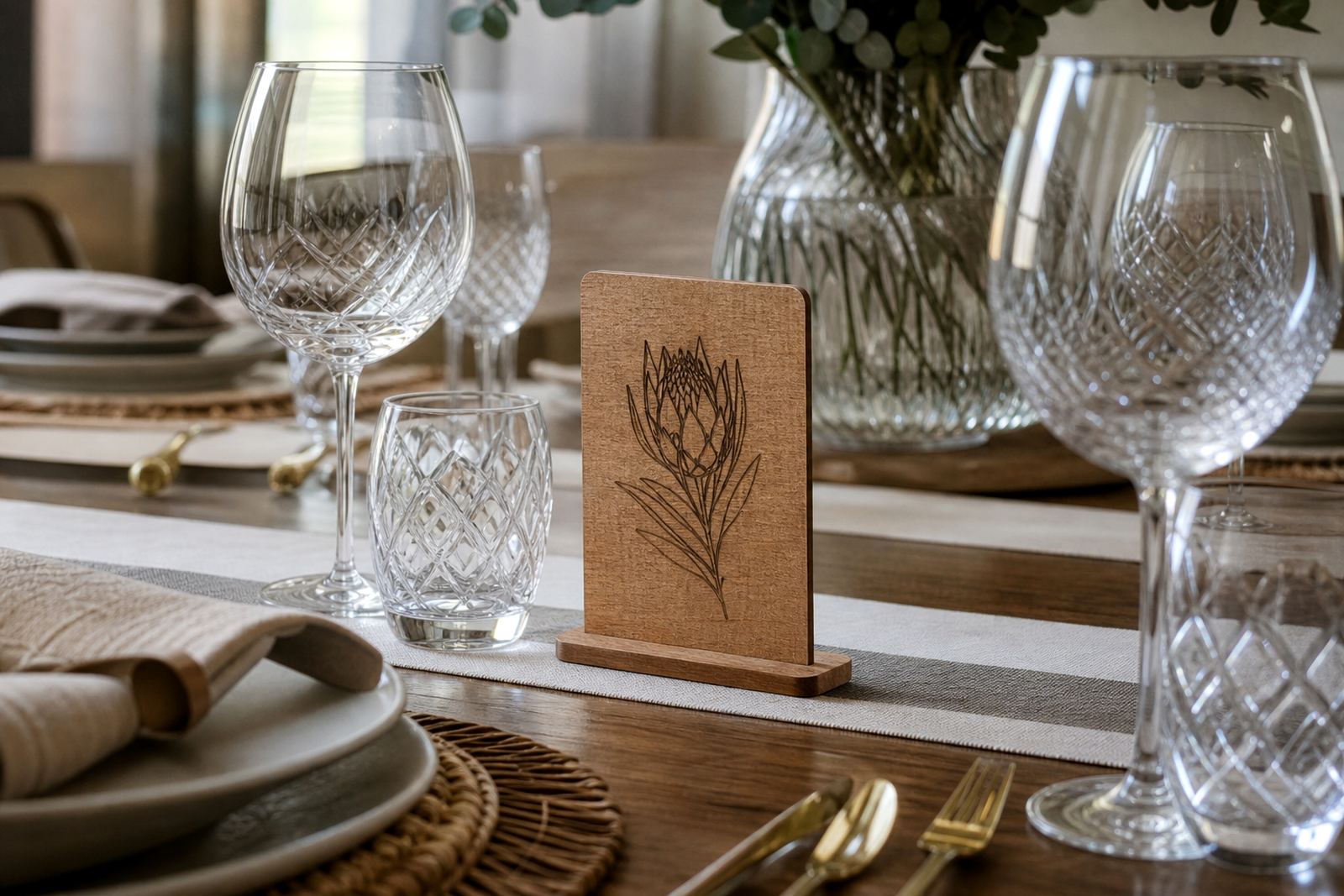
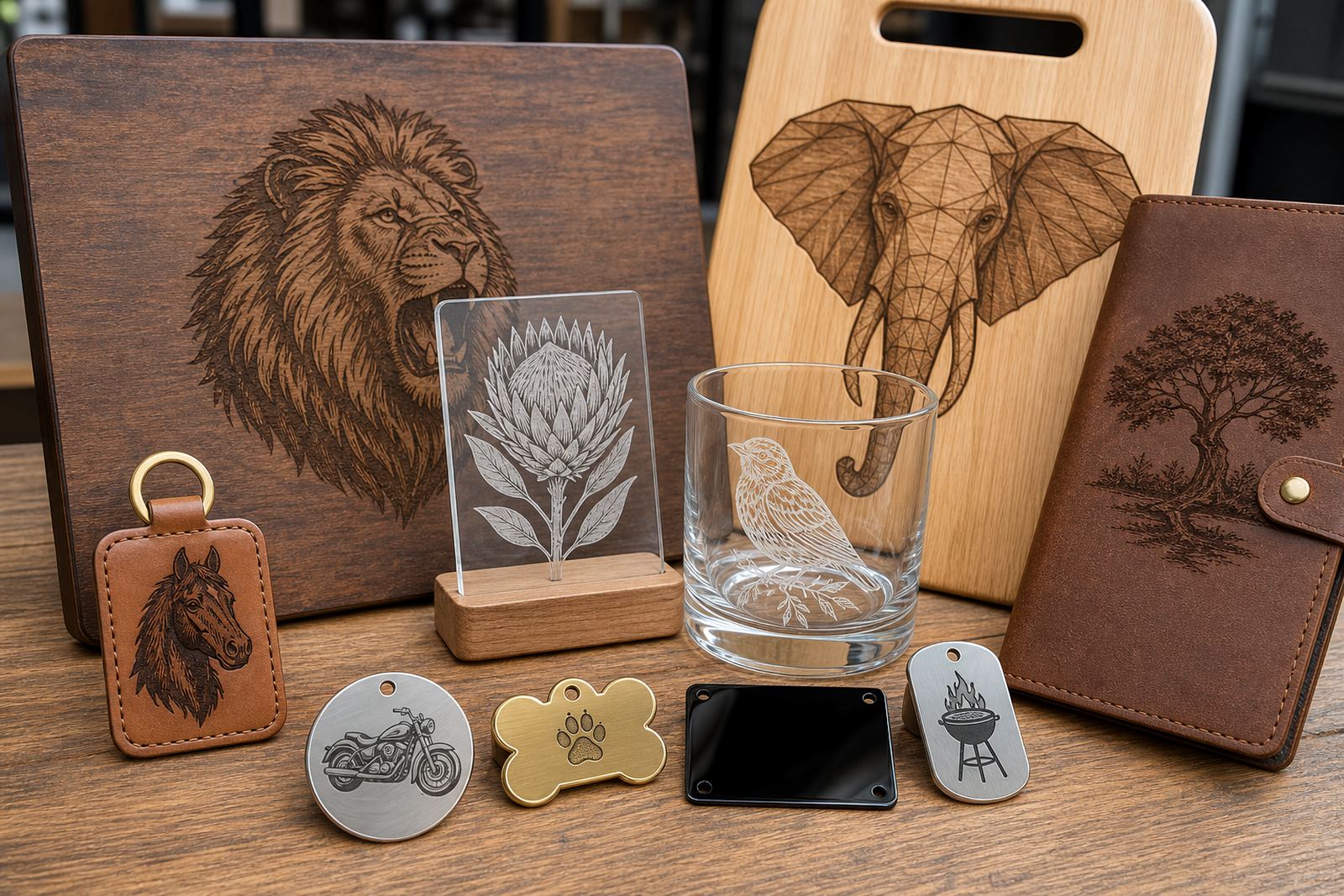
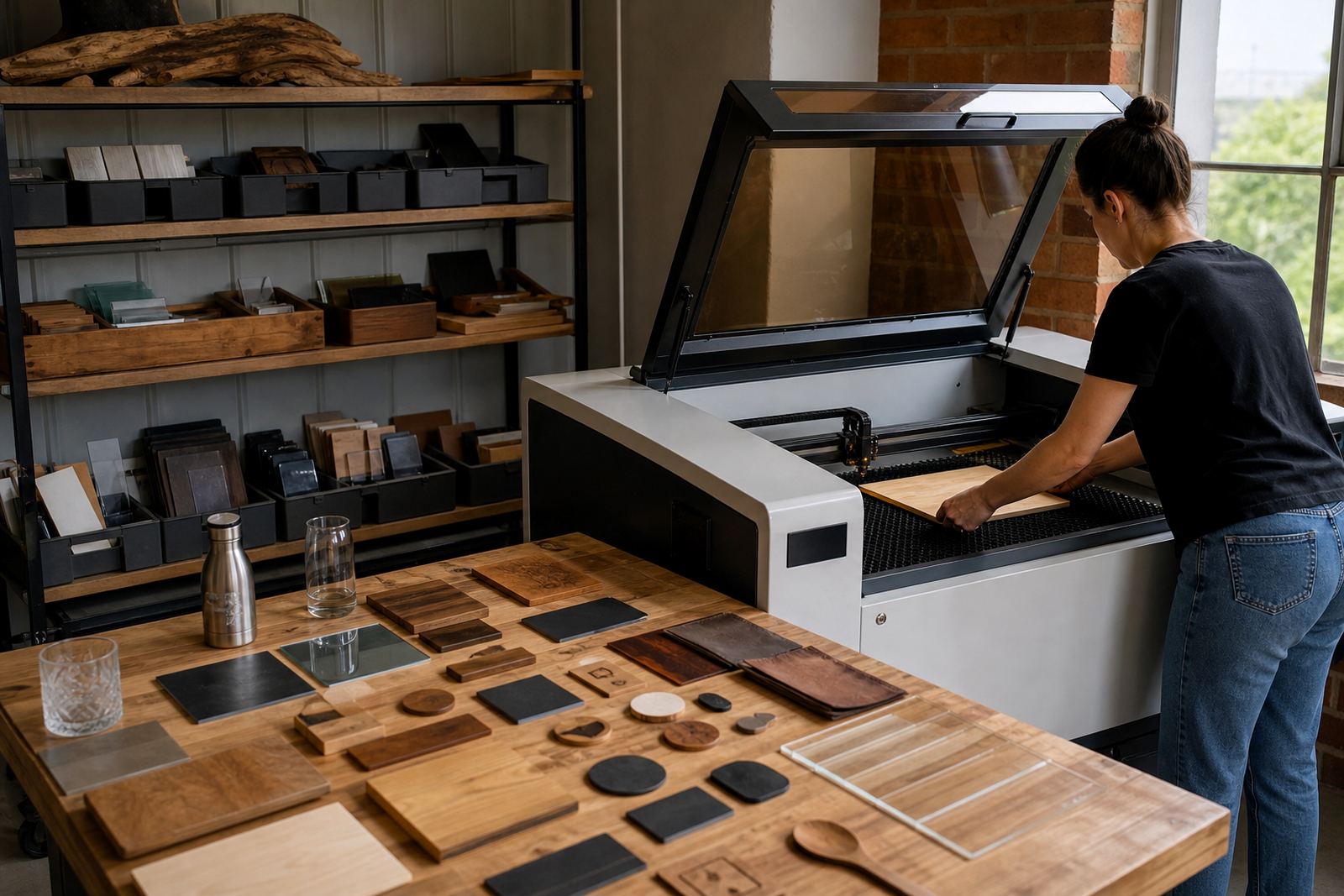
Different materials behave differently under a laser, so the best choice depends on what the item must do after it leaves the workshop. Wood gives a warm natural finish and suits plaques, name pieces and gift items, while acrylic is often used for clean signage, layered panels and crisp lettering. Glass can be engraved for awards and keepsakes, though it needs careful handling to avoid chips. Leather works well for tags, covers and branded accessories, while metal is used for durable labels, tags and product marking where wear resistance matters.
For buyers in Pretoria East and beyond, the starting point is not only appearance but also where the item will be used. A sign near a busy road may need stronger contrast and outdoor durability, while a gift item may need fine detail and a softer finish. Our team helps with artwork setup, size planning and material guidance so the final result suits the purpose, not just the picture.
Signs that need to read clearly from a distance
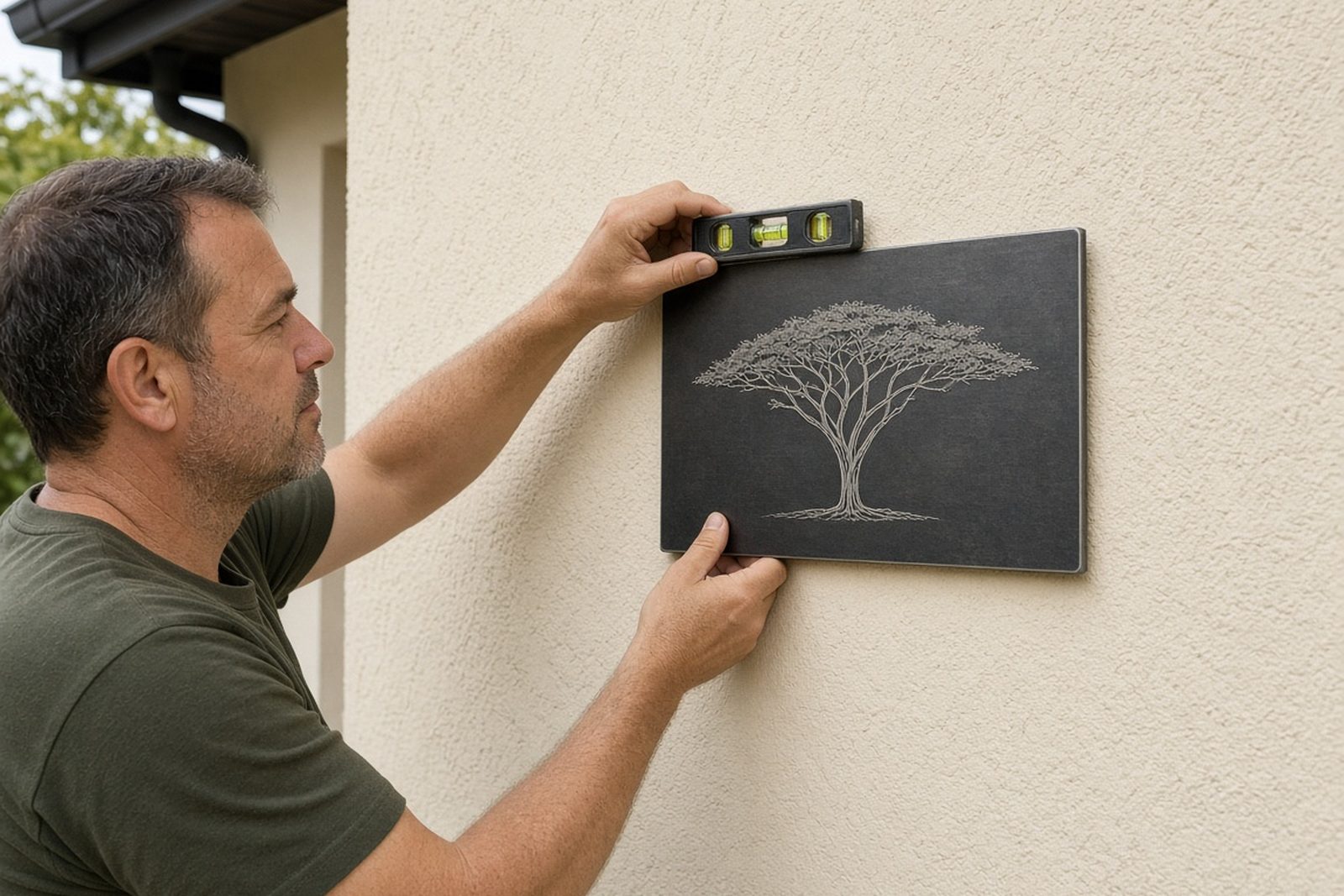
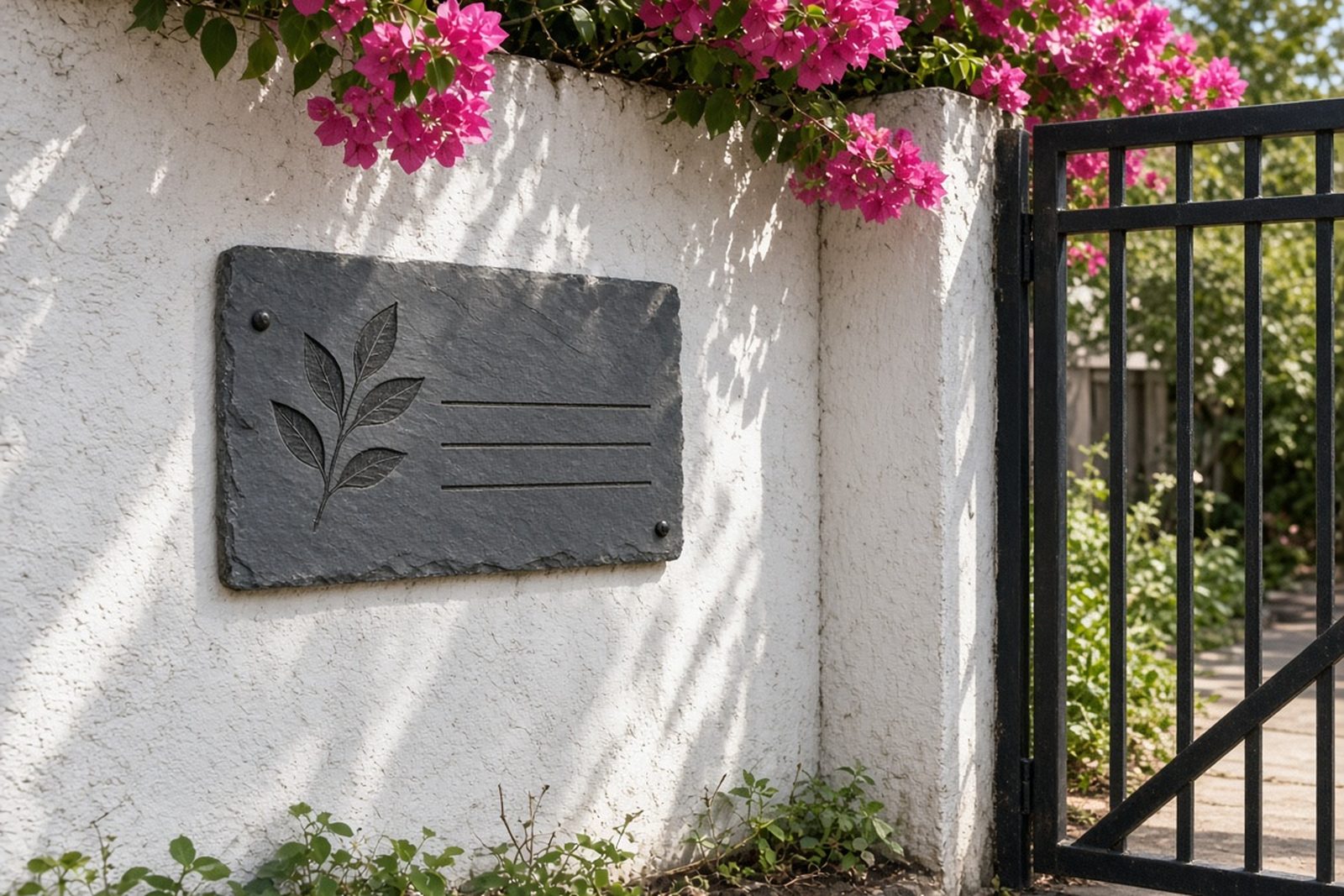
Laser engraved signs are often chosen for reception areas, office doors, retail fittings and directional boards. When a sign must be read quickly, the layout matters as much as the engraving. Letter height, spacing, contrast and mounting all affect how well it performs once installed. In Gauteng sunlight, reflective or very fine detail can become hard to read, so practical sizing is important.
- Keep wording short where possible, especially on directional signs.
- Use clear fonts that stay legible at the viewing distance.
- Allow space around logos and icons so the layout does not feel crowded.
- Choose a finish that suits indoor lighting or outdoor exposure.
For businesses ordering signage in Johannesburg, Centurion, Midrand or Durban, courier delivery can be arranged across South Africa, with packaging prepared to protect edges and corners in transit.
What to know about engraving gifts and personal items
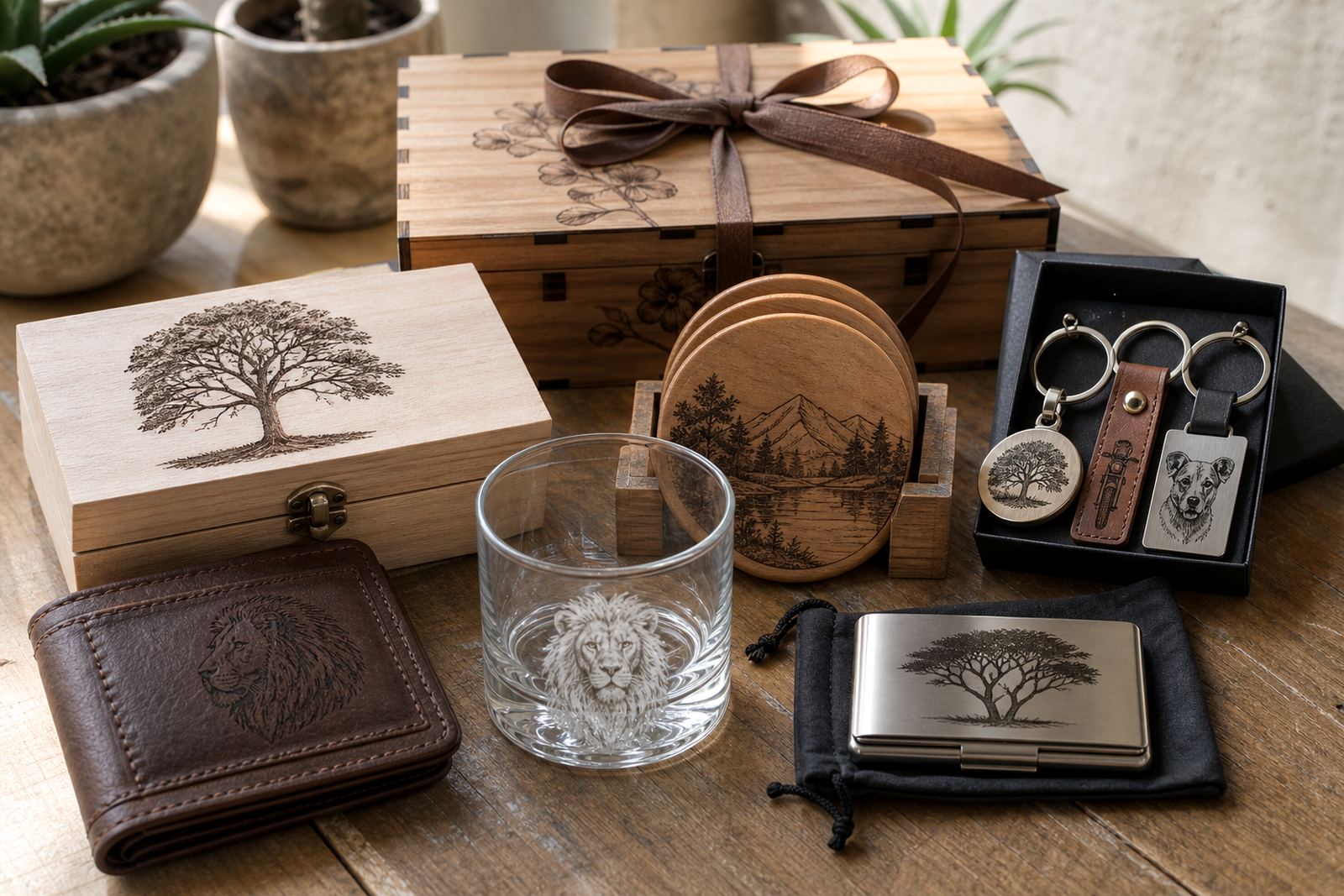
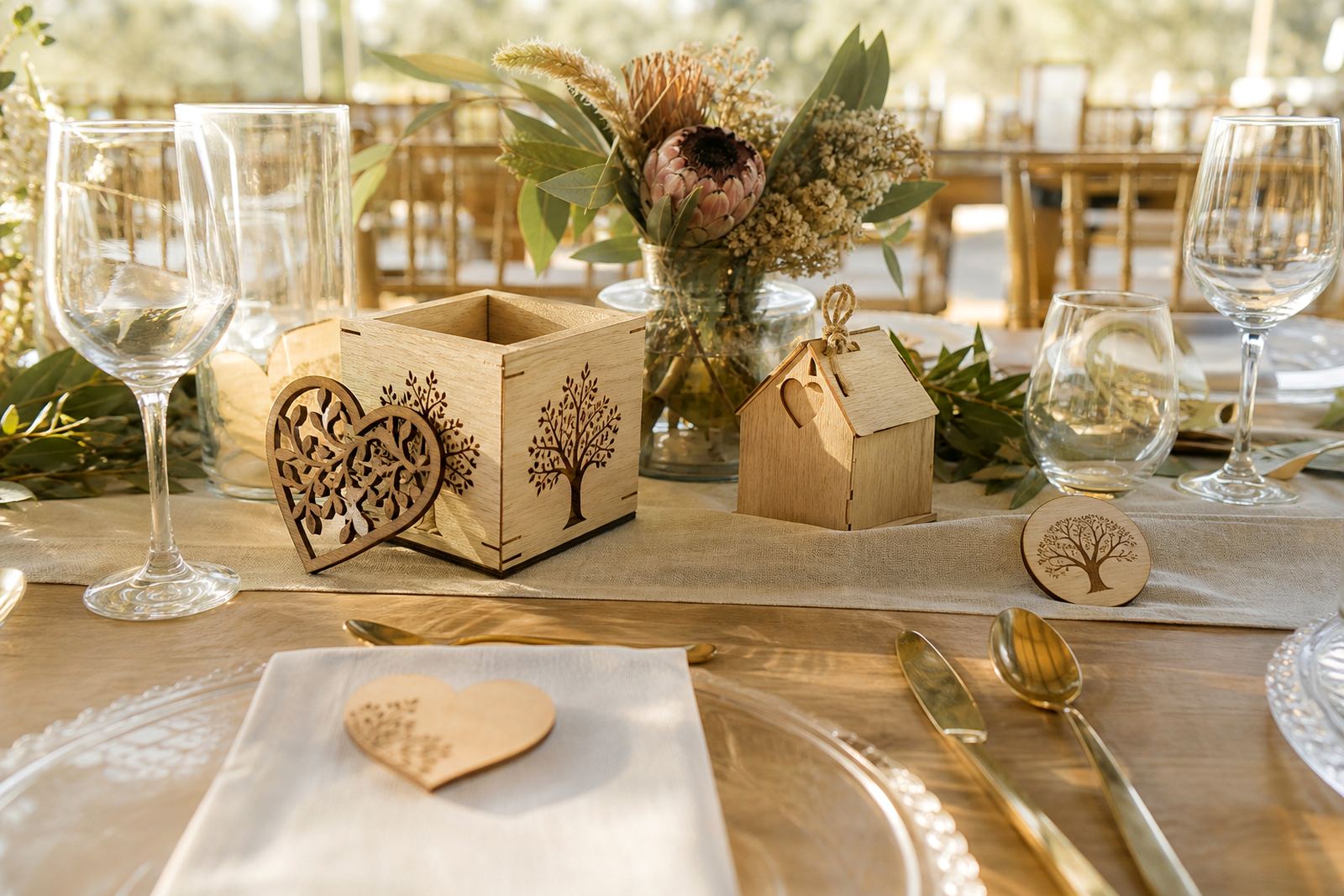
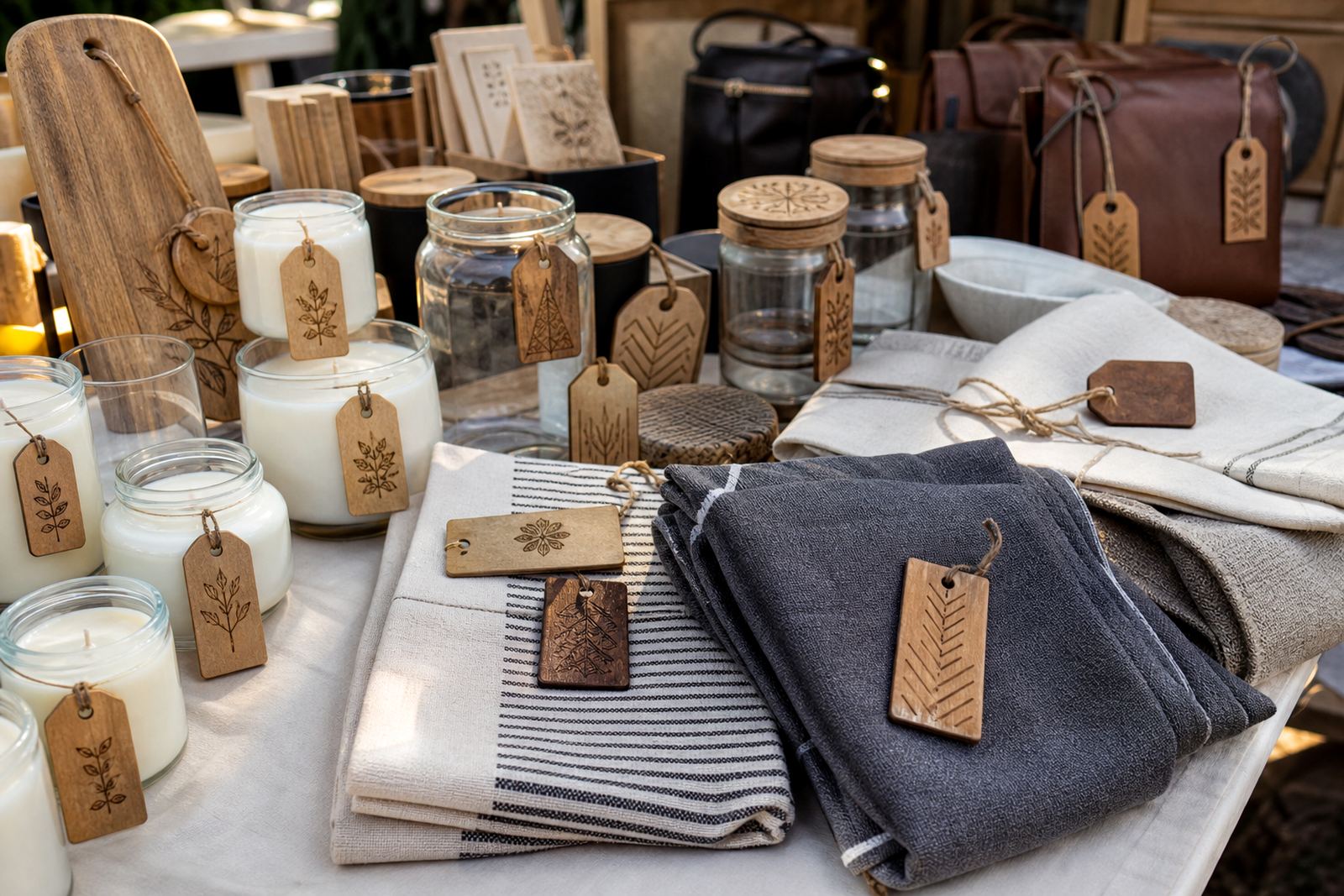
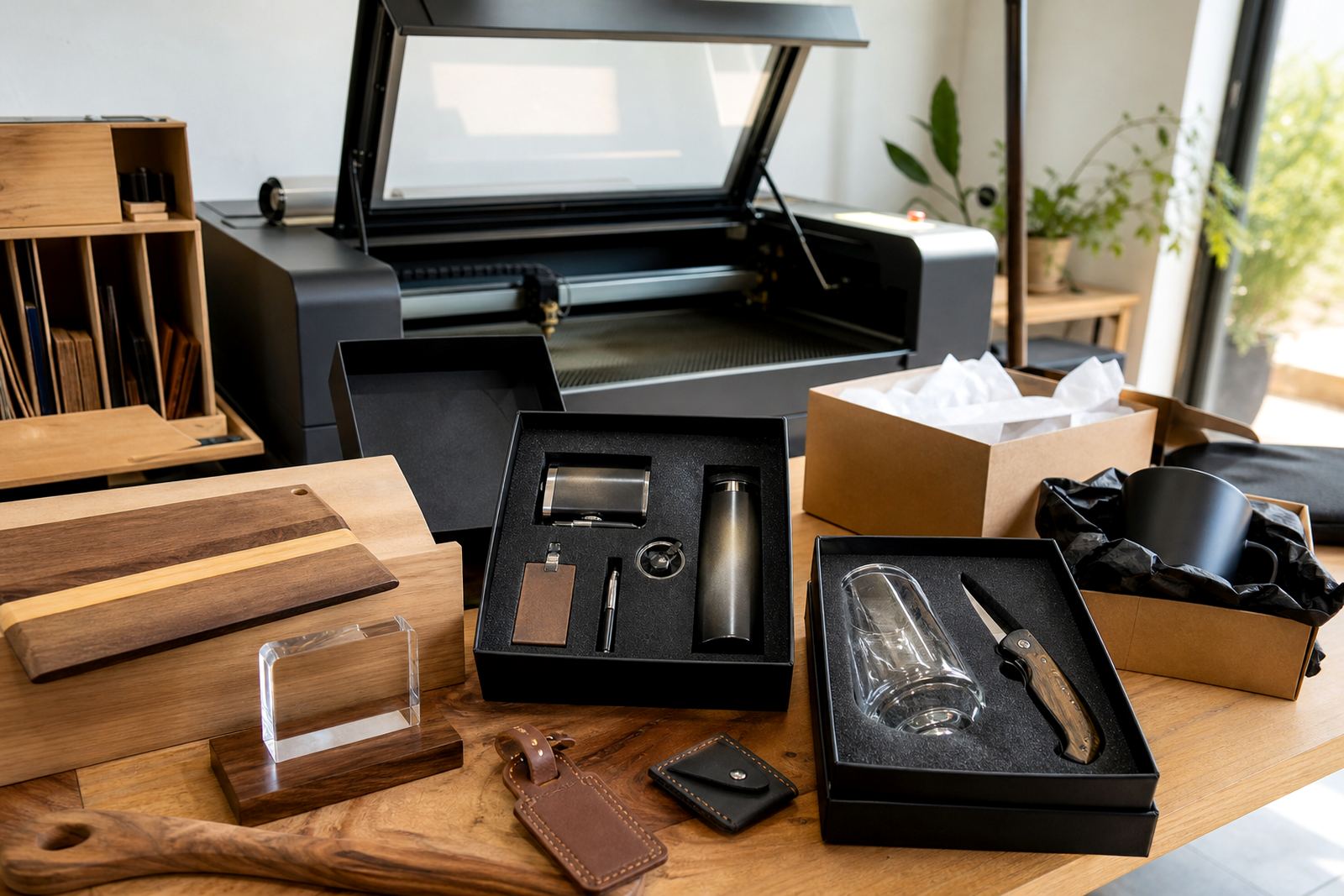
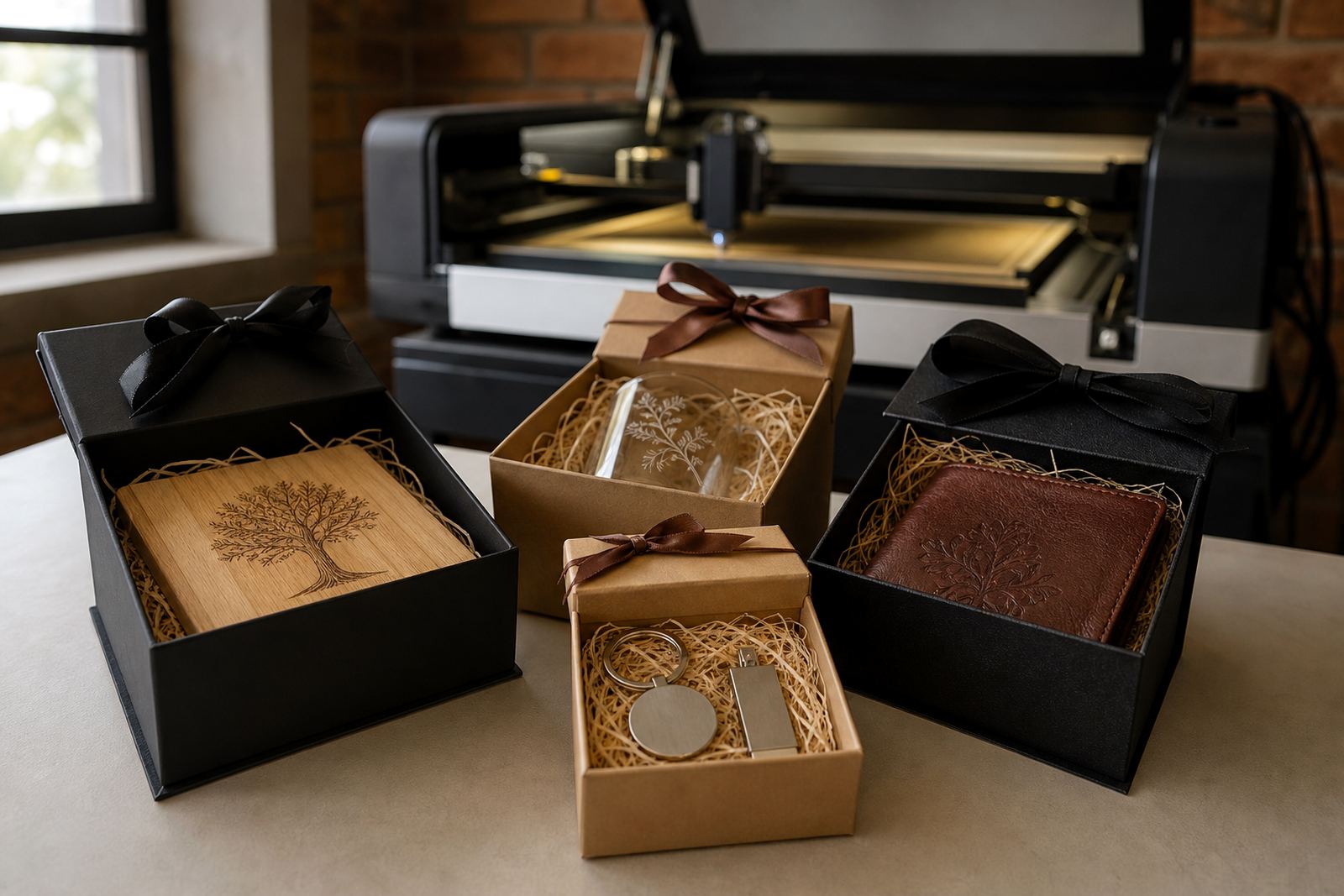
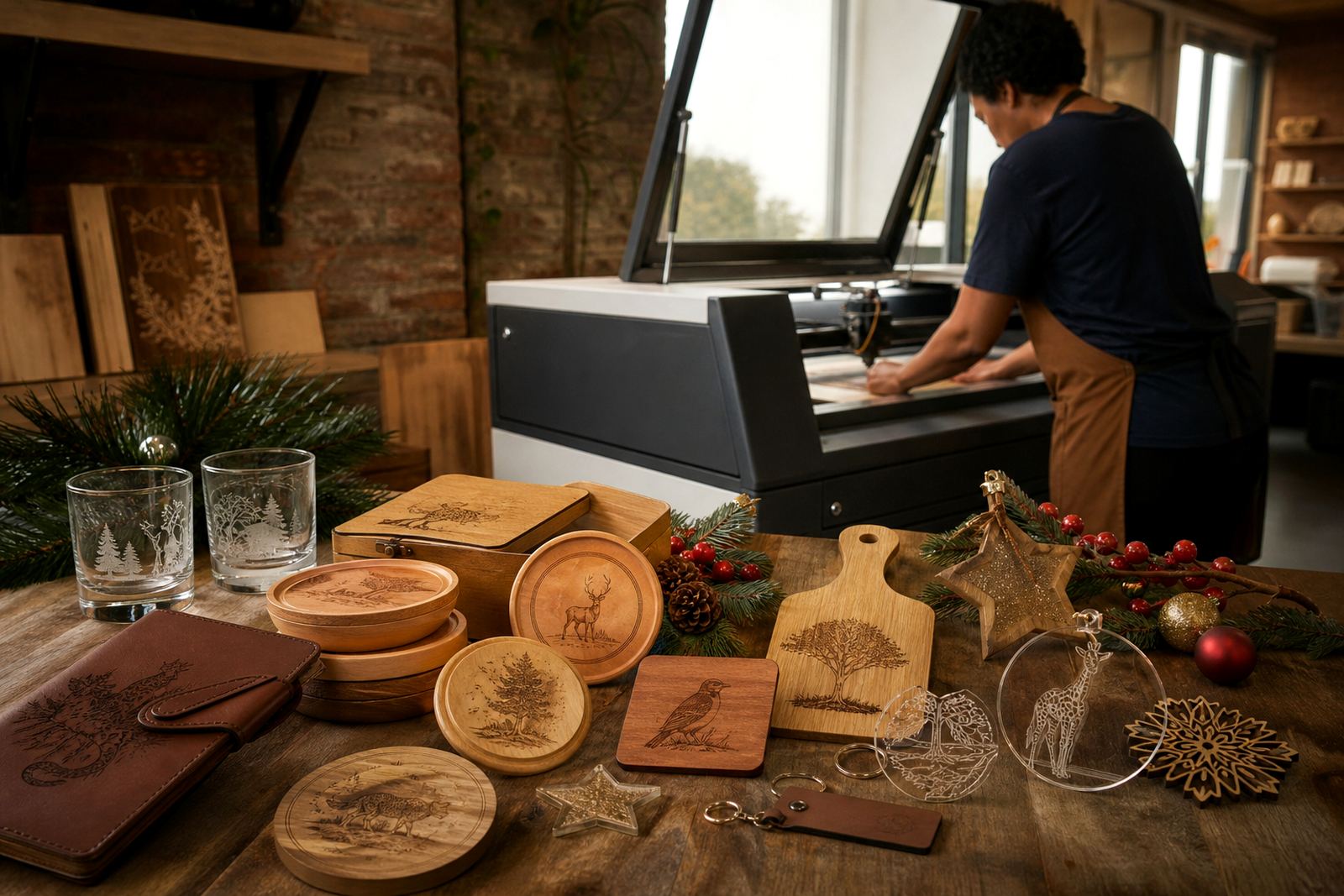
Gift engraving works best when the message is thoughtful and the surface is suitable for fine detail. Wood, glass and leather are often chosen for personal items because they offer a natural look and accept names, dates or short messages neatly. Acrylic can also be used where a cleaner modern feel is preferred. The small details matter here, especially when a piece is meant for a milestone, thank you gift or corporate presentation.
Before ordering, it helps to check the size of the item, the placement of the text and whether the design needs to be repeated across several pieces. We can assist with batch personalisation, proof approval and reorder matching so names and layouts stay consistent from one order to the next. If the item will be handled often, we also look at finish quality and packaging prep so it arrives presentable.
- Confirm spelling early and check any special characters.
- Choose a font that stays readable at the actual size.
- Ask for a proof when the layout is tight or detailed.
- For sets, keep the same artwork format for cleaner repeat orders.
Product marking for items that leave the workshop
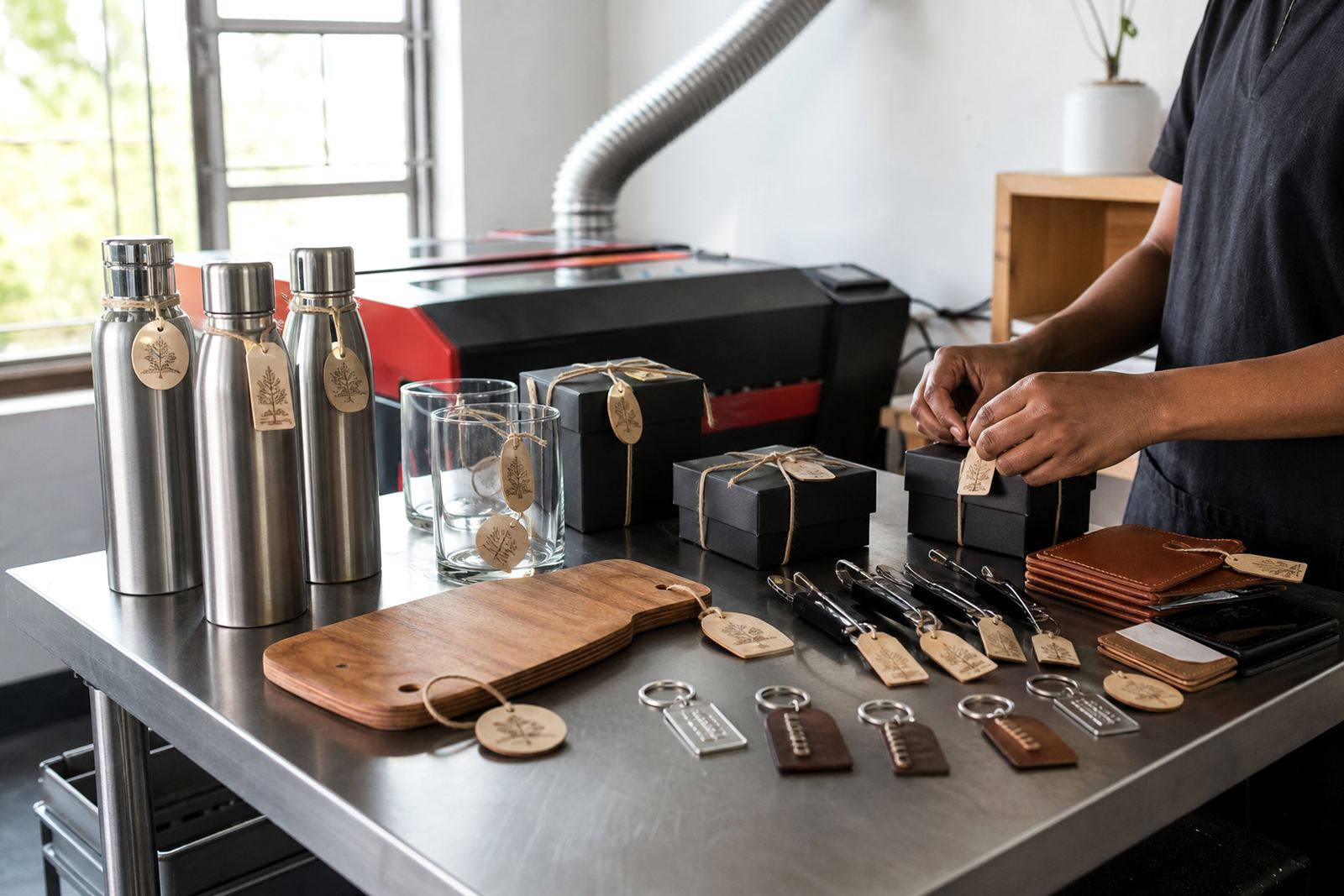
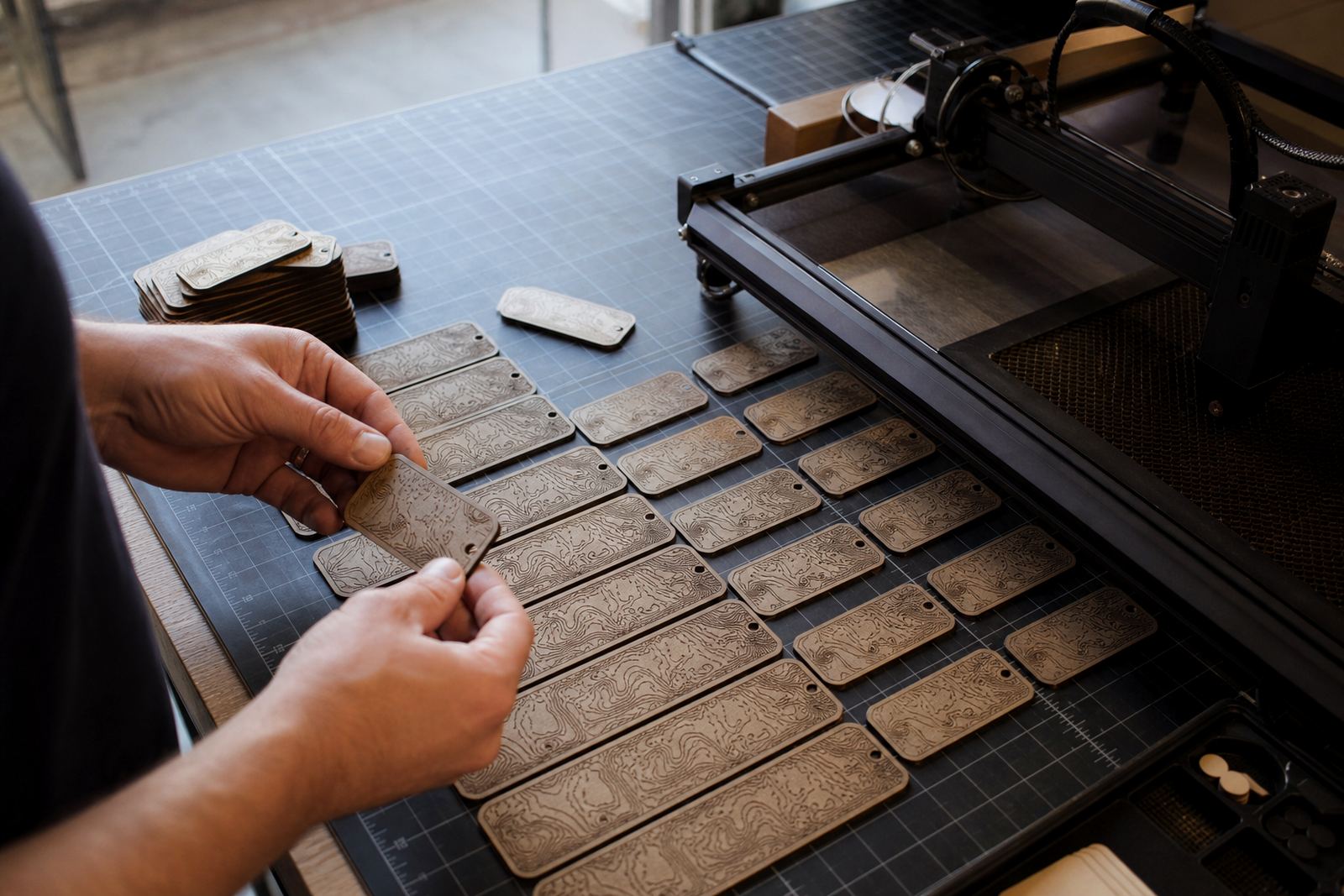
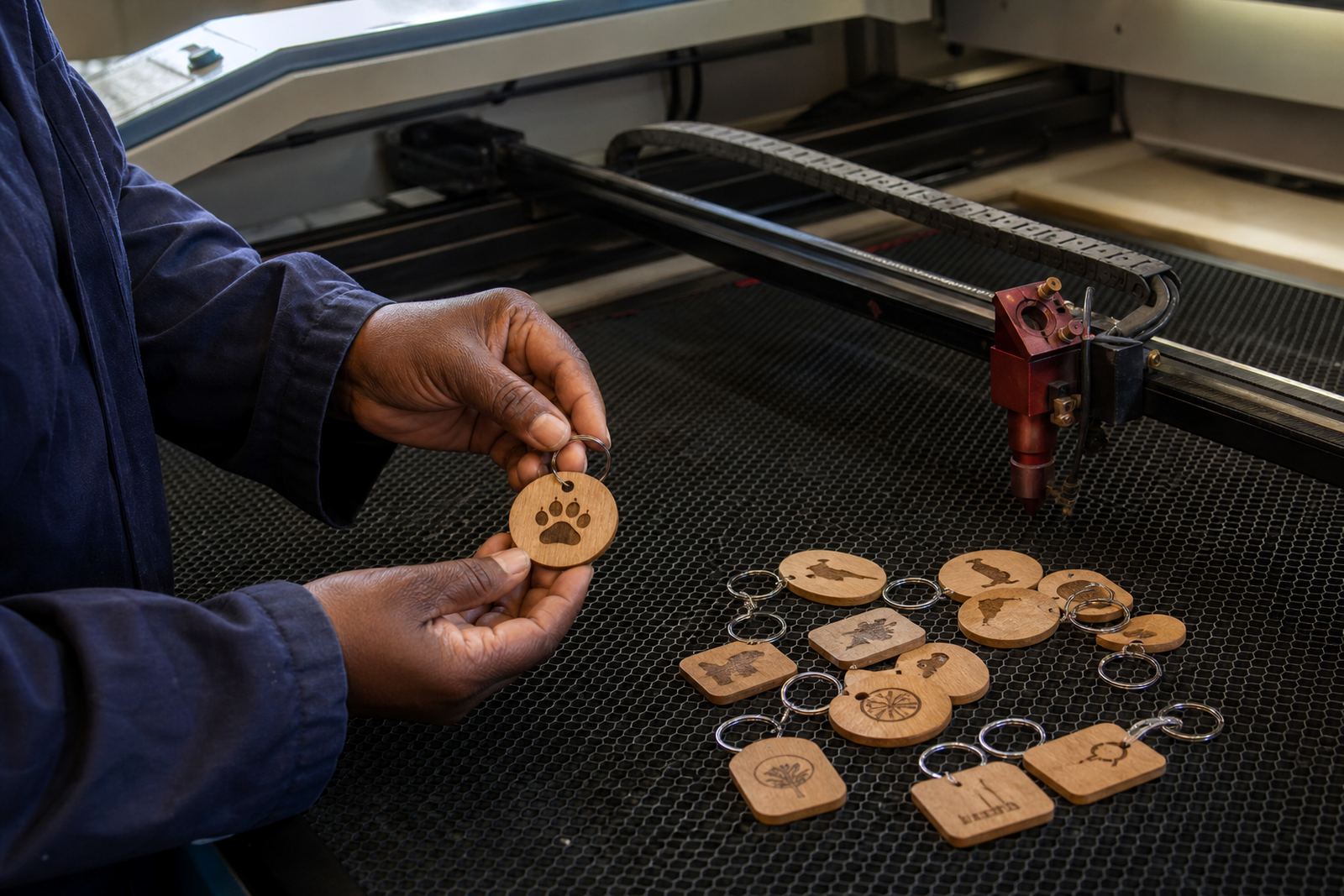
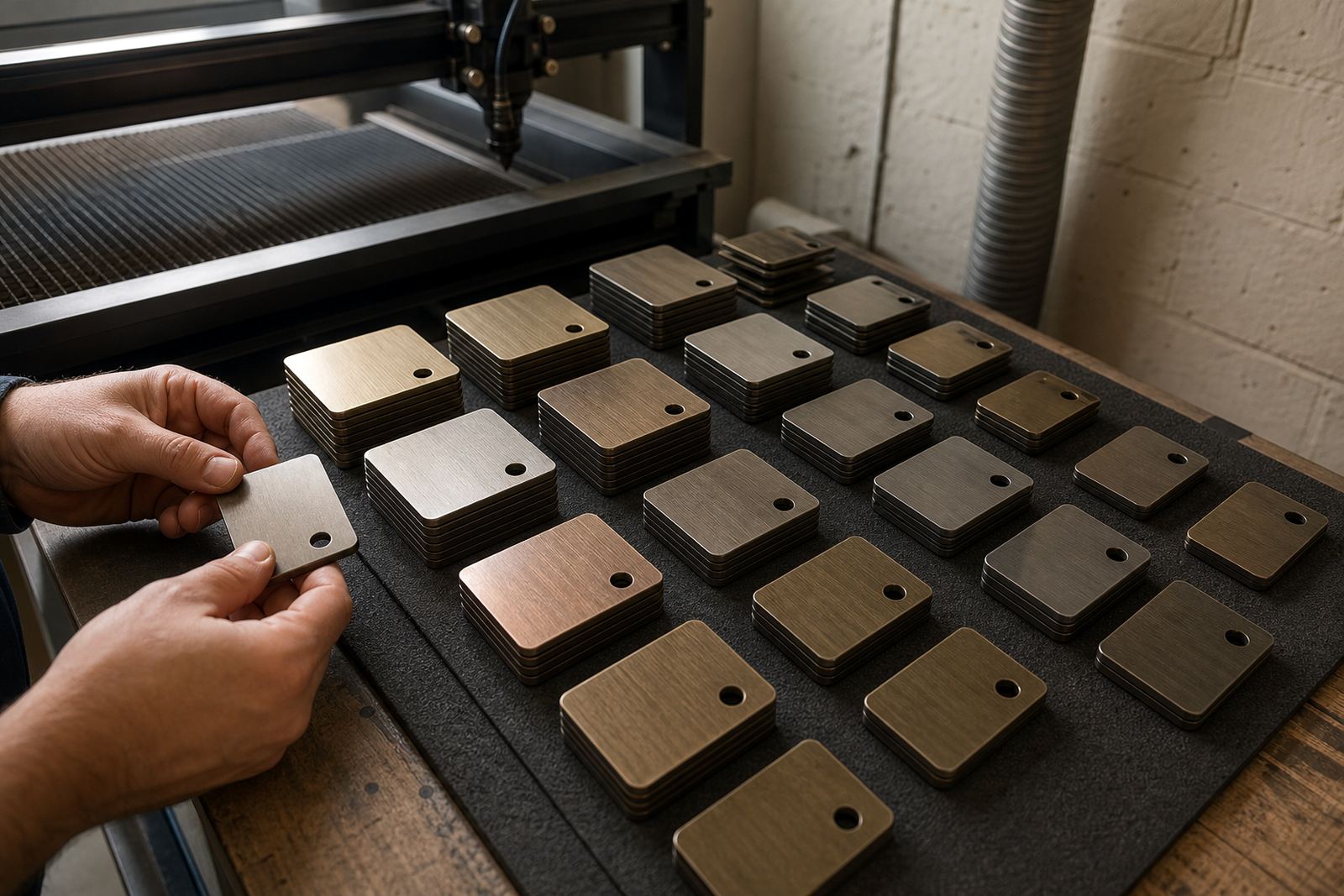
Product marking is used for items that need identification, branding or traceability. This can include serial numbers, batch marks, safety details or branded logos on metal, coated items, acrylic parts and some leather goods. The goal is not only appearance but also repeatable placement and clean consistency across a run of items. On smaller components, file conversion and layout planning become especially important.
When a business orders multiple marked pieces, the workflow should be clear from the start. We normally assess the artwork, confirm the size, check the mark position and decide whether any logo redraw is needed before production begins. That reduces back and forth and helps keep the result neat, even on items with mixed surfaces or curved areas.
Artwork, files and the little details that save time
Good engraving starts with usable artwork. Even a simple logo may need cleanup if the lines are too thin, the text is not editable or the file is set up at the wrong size. That is why services such as logo redraw, file conversion and layout planning are useful before anything is engraved. A clean file helps the machine work accurately and avoids surprises when the first sample comes off the bed.
Font selection is another small detail that makes a big difference. Some fonts look elegant on screen but become too delicate once engraved at a smaller size. Others are better for industrial labels, outdoor signs or product marking. If the design must be mounted afterwards, we also consider mounting options and how the finished piece will be handled during installation.
Practical engraving advice for South African buyers
South African buyers often need engraving that works in real conditions, not just in a mockup. Because of that, practical advice matters. A good order begins with the right material, the right dimensions and a clear understanding of where the piece will live.
From Wapadrand in Pretoria East, we send engraving orders to Pretoria, Pretoria East, Centurion, Midrand, Johannesburg, Durban, Gauteng and the rest of South Africa by courier. Clients reach us through the enquiry form on our contact page, where we can guide the process from artwork to finishing and dispatch.
What this journal is here to help you compare
This journal is a practical reference for anyone comparing engraving options for signs, gifts or product marking. The articles linked from here cover material behaviour, design choices, layout decisions and finishing details, so you can order with a clearer brief. If you are choosing between wood, acrylic, glass, leather or metal, the main question is usually how the item needs to look, feel and last in use.
Use these notes to narrow down the right approach before you send through your enquiry. A few minutes spent on size, wording and material selection can save time later and lead to a cleaner finished piece.