Why Product Marking Has to Stay Clear After Handling
Product marking often starts with a simple need: a name, code, logo or instruction that must remain readable after the item has been handled, packed, washed or displayed for months. If the marking is too light or too small, it becomes a problem for stock control, warranty tracking and even basic customer use. That is why clarity matters before anything else.
In Gauteng, and especially in busy areas like Pretoria, Centurion and Johannesburg, products move through many hands. Items can be carried between offices, storerooms, vehicles and client sites. A marking that looks fine on day one but fades under cleaning or sunlight will cost time later. For that reason, the first question is not just what should be marked, but how it will be used. A clear mark can prevent mix-ups, support traceability and keep your brand looking organised.
- Use short text where possible so the marking stays legible
- Allow enough space around the mark for strong visual impact
- Choose a method that suits handling, cleaning and outdoor exposure
Matching the Material to the Marking Method
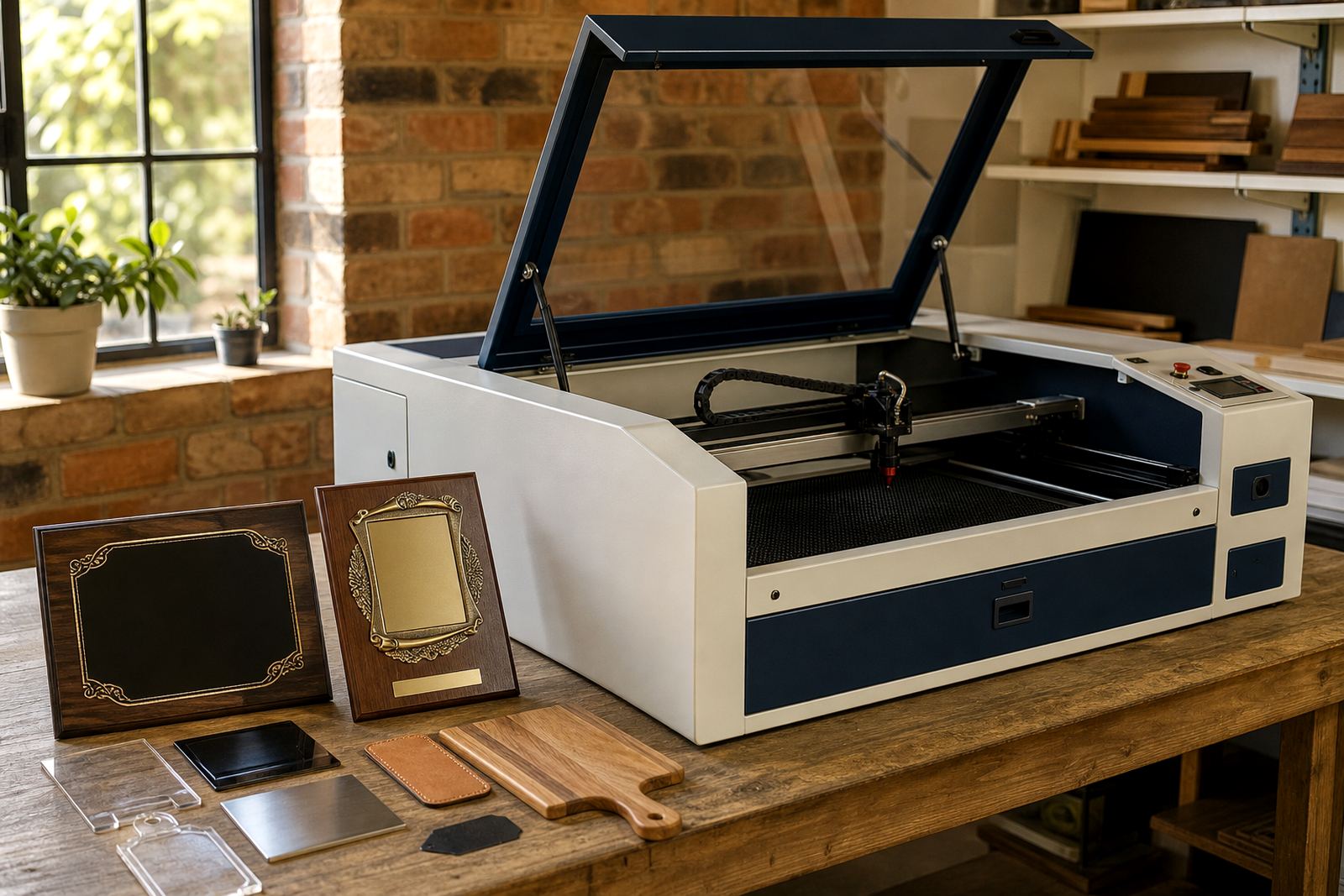
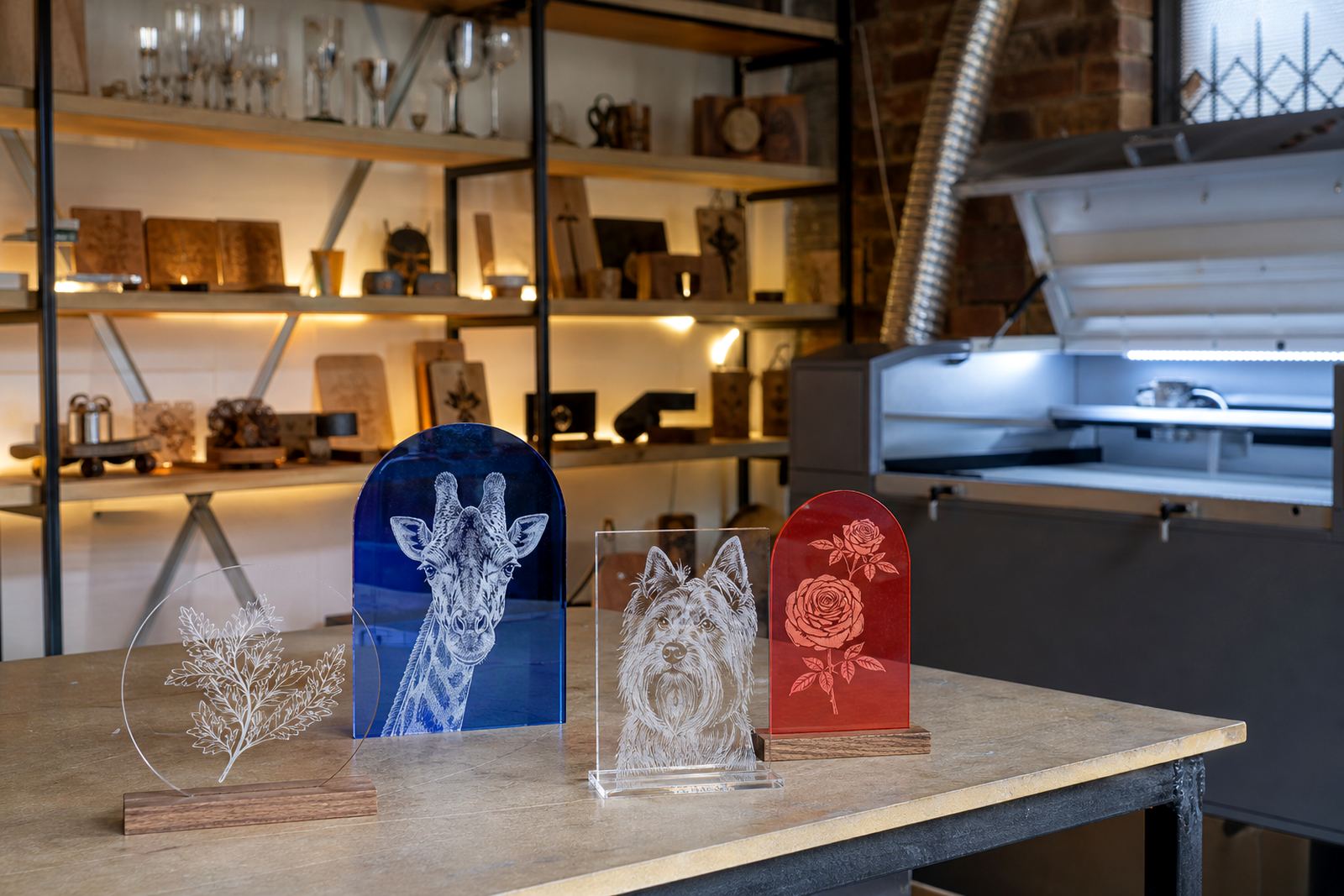
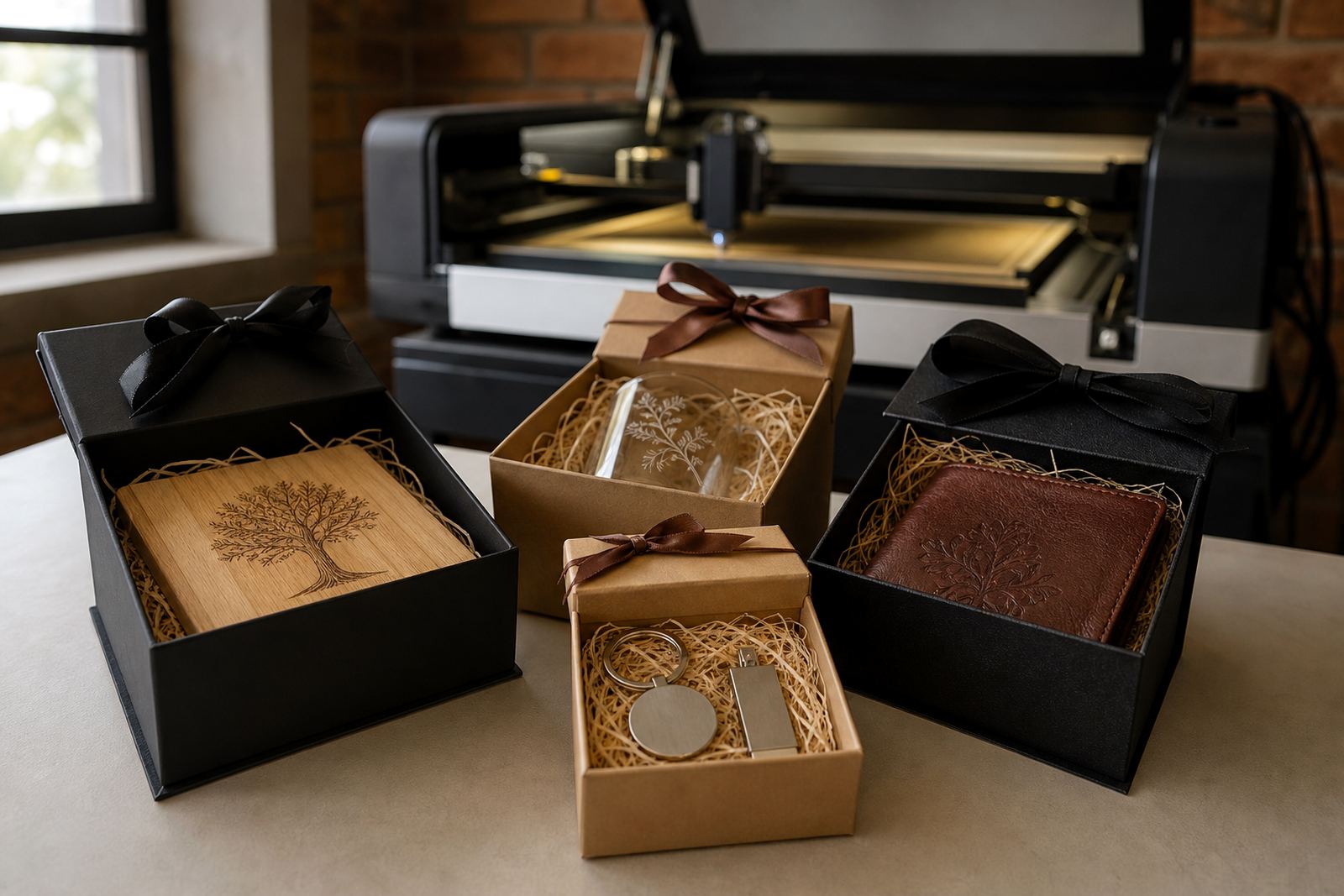
Different materials react differently to laser engraving. Wood gives a warm, natural contrast and is useful for plaques, packaging pieces and presentation items. Acrylic gives a sharp, modern finish and can be engraved for signs, tags and display items. Glass can be marked for awards, giftware and decorative pieces, though the finish has to be planned carefully because the surface is brittle. Leather is often used for labels, covers and gift items where a subtle mark works best. Metal is commonly used for product plates, serial numbers and durable identification.
The point is not to force every item into one method. A good marking plan considers thickness, surface texture, colour and the final use. For example, a matte anodised metal panel will behave differently from polished stainless steel, and clear acrylic is not handled the same way as coloured acrylic. In Wapadrand or Midrand, a client may need a neat office sign one day and a batch of coded product tags the next, so the setup has to be adjusted to suit each order.
- Wood: best for natural contrast and personalised pieces
- Acrylic: suitable for crisp signage and display marking
- Glass: used for awards, gifts and decorative marking
- Leather: works well for subtle personalisation
- Metal: preferred for codes, labels and long-term identification
Consistency Matters When You Need Reorders
Once a product marking format has been set, consistency becomes just as important as appearance. Many businesses need the same logo, code style or label format repeated over time. If the size, position or spacing changes from one batch to the next, the result looks untidy and can confuse staff or customers. Reorder matching is a practical issue, not a luxury.
That is why file preparation and layout planning matter before engraving starts. A clean artwork file, correct font choice and stable size plan all help keep the output steady. If the original logo is low quality, logo redraw may be needed before the item can be marked cleanly. For batch work, a small shift in alignment can cause a whole run to look uneven, so proof approval is an important step.
- Keep one master version of the artwork for repeat use
- Confirm exact text, spacing and sizing before production
- Plan the marking position on the item, not just on the file
Durability for Real South African Conditions
Product marking in South Africa has to handle more than just a neat first impression. Items may be exposed to strong sun, coastal humidity, dust, frequent cleaning or transport vibration. A laser engraved mark on the right material can remain readable for a long time because it removes or alters the surface instead of sitting on top like a sticker or printed layer. That makes it useful for both presentation and practical identification.
In Durban, humidity can affect some materials and finishes. In Pretoria East, the dry season and intense sunlight bring their own challenges. A marking plan should consider whether the item will stay indoors, be handled often or be used outside. For metal tags, mounting options can be important. For packaging or gift items, the mark needs to stay neat without damaging the surface. It is often the small decisions, like choosing the right size or line weight, that decide whether the mark remains useful after months of use.
- Ask how the item will be stored, cleaned and carried
- Consider sunlight, moisture and dust exposure
- Choose the marking depth and placement with long-term use in mind
Signage, Gifts and Product Codes Need Different Thinking
It is easy to assume that all product marking is the same, but signage, gifts and product marking codes serve very different purposes. A storefront sign must be readable from a distance and stay neat in changing light. A gift item usually needs a finer finish and a more personal feel. A product code or serial number may need to be small but still accurate enough for internal records. Each one needs a different balance of size, detail and visibility.
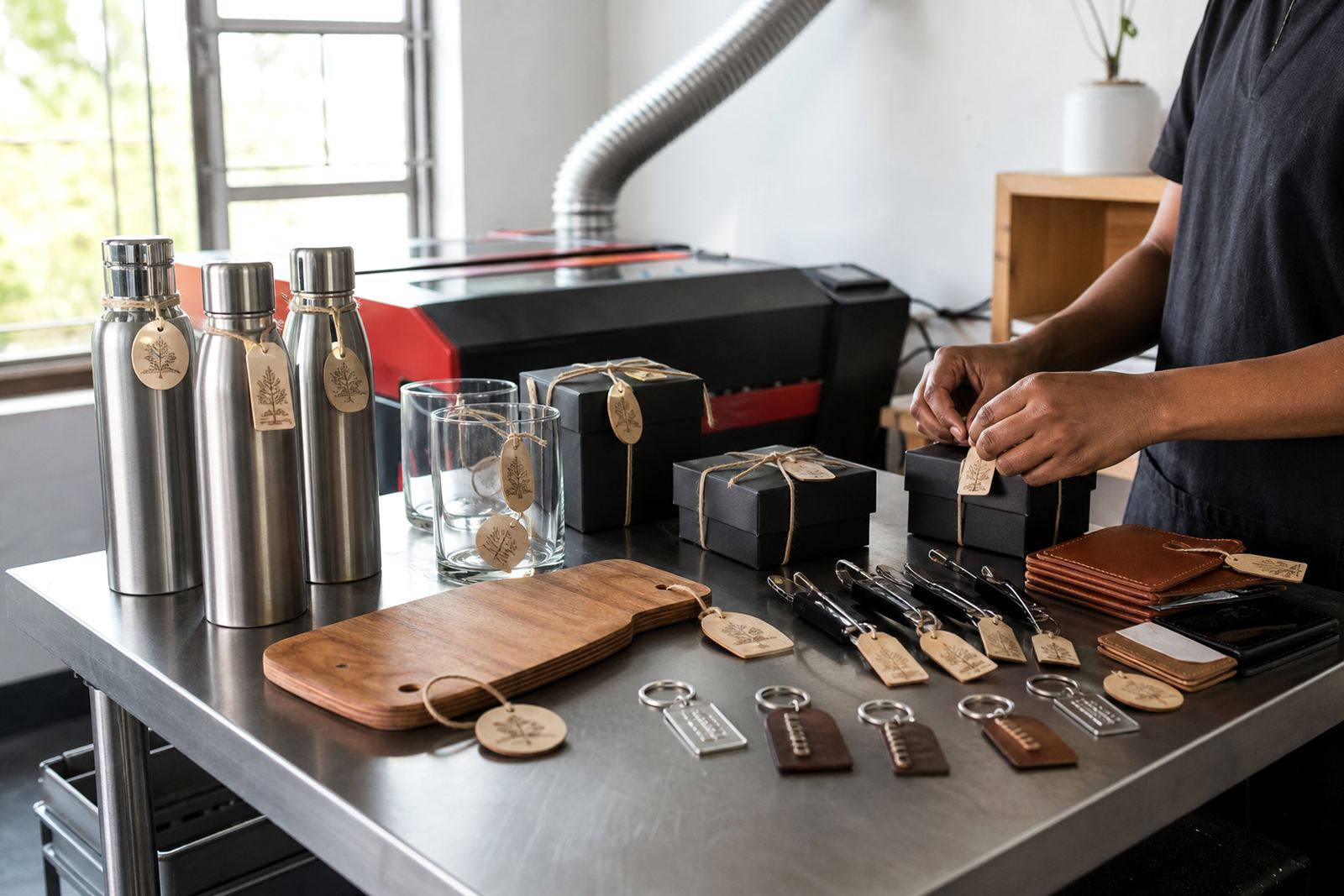
This is where practical layout planning helps. A sign may need mounting options and a stronger contrast. A gift item may need packaging prep so it presents well when handed over. A coded part may need batch personalisation and exact repeatability. In a Pretoria East workshop the same laser can be used for all three, but the setup, finishing and final check are not the same. That is why a good process does not treat every job as identical, even if the material is similar.
What Clients Should Prepare Before They Enquire
Good product marking starts with a few basic decisions. If you know the purpose of the item, the material, the size and the quantity, the rest becomes much easier to plan. You do not need to have every detail perfect from the start, but the more practical information you can share, the more useful the advice will be. A quick sketch, a clear photo or an existing sample can help guide artwork setup and file conversion.
For businesses in Pretoria, Centurion and Johannesburg, this step often saves time when a repeat order is needed. It also helps with material guidance, because some items need a different finish or layout depending on thickness and surface. When the right details are available early, the production side can focus on accuracy rather than guessing. That matters if the order includes multiple versions, because one small change can affect the whole batch.
- State the material and approximate size of each item
- Share the exact wording, logo or code required
- Say whether the item is for indoor display, regular handling or outdoor use
- Include any packing, mounting or dispatch requirements
An engraving order bound for Pretoria East
A Pretoria East business might need a run of small metal product plates for equipment, plus a set of acrylic display signs and a few engraved gifts for client handovers. Each item looks different, but all three need the same discipline: clear artwork, correct sizing and a finish that suits the use. If the plates are too fine, the code becomes hard to read. If the signs are too busy, the display loses impact. If the gift item is overworked, the result can feel heavy instead of refined.
That is why product marking works best when it is planned around the real job of the item. LightBurn Engraving operates from Wapadrand, Pretoria East and supports clients across Gauteng and beyond through courier delivery, with practical services such as artwork setup, layout planning, font selection, size planning, proof approval, file conversion, batch personalisation and packaging prep. For product marking needs, the best outcome is usually the one that stays clear, consistent and useful long after the item leaves the workshop.