Why Repeat Orders Need the Same Mark Every Time
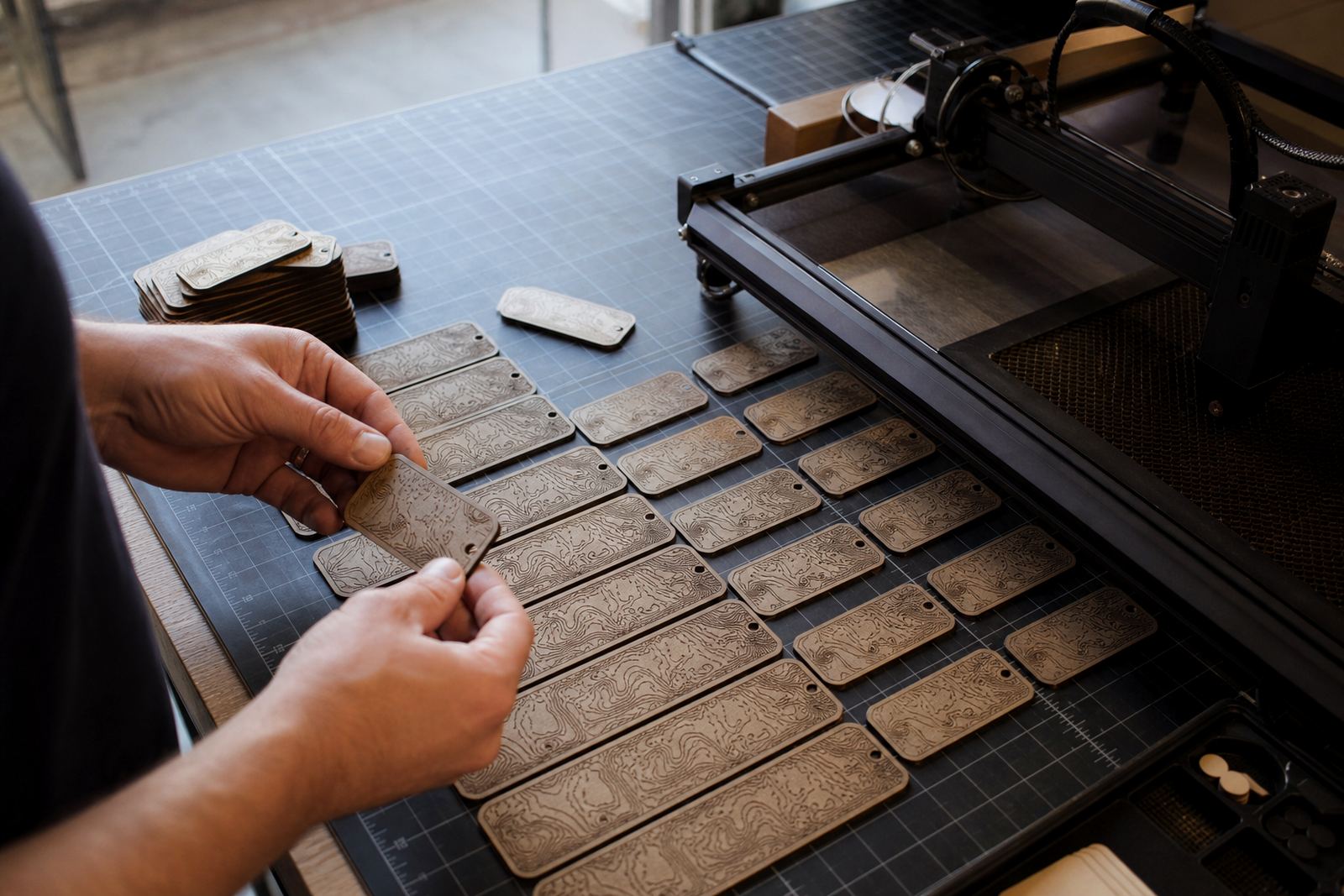
Batch work is where small differences start to show. A logo that looks fine on one plaque but sits a few millimetres lower on the next can make a branded range look untidy. The same is true for serial numbers, staff gifts, award plates and product marking where the customer expects each piece to match the last one.
At LightBurn Engraving, the aim is simple: keep the same layout, depth, spacing and position across the full run. That matters for Pretoria businesses ordering repeated signage, distributors sending out marked items to branches, and event teams needing every gift box to carry the same names, codes or wording.
The team works from Wapadrand in Pretoria East and handles both small repeat orders and larger batch runs. The point is not only to engrave the item, but to keep the result consistent when the same job returns weeks or months later.
What Consistency Looks Like on Different Materials
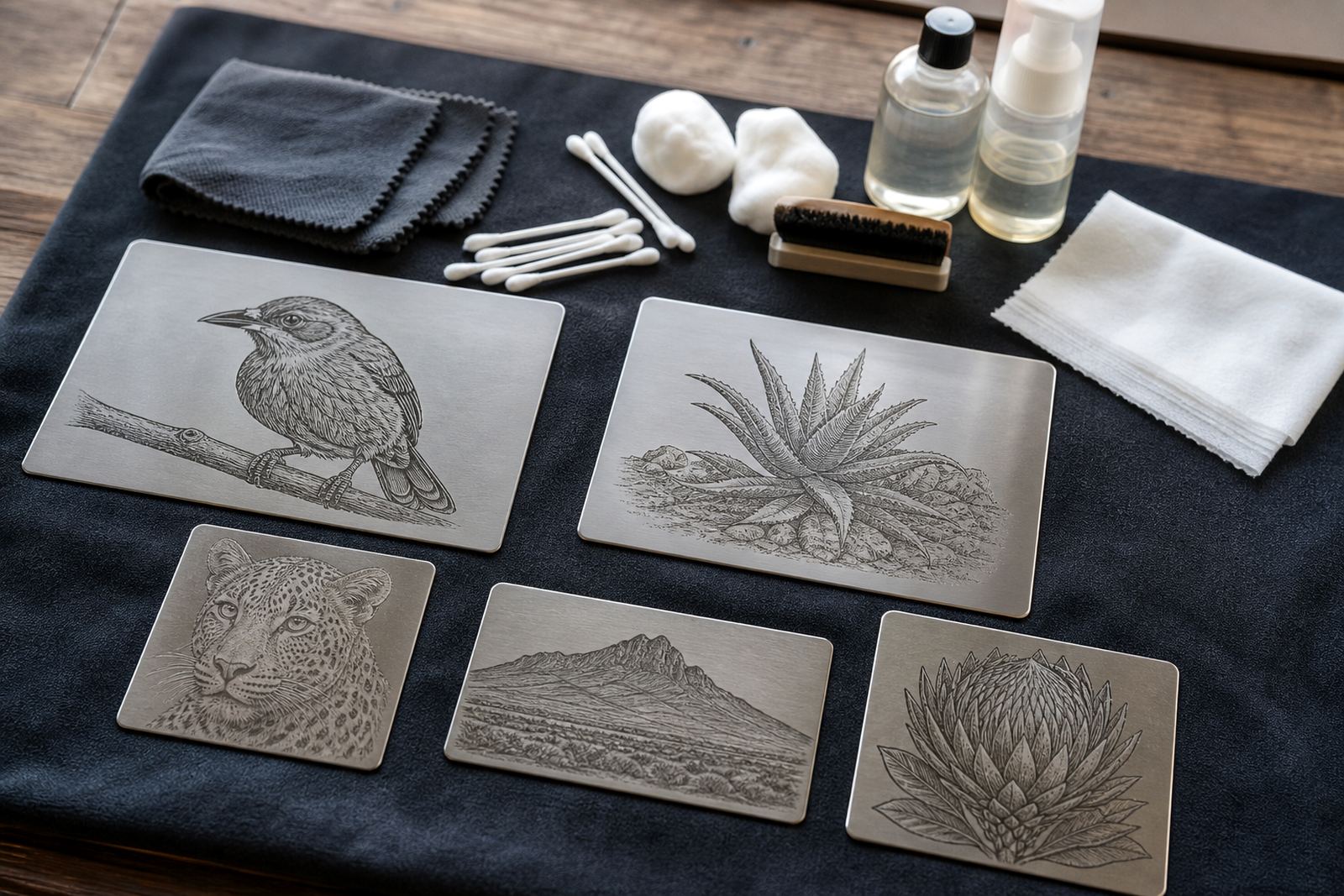
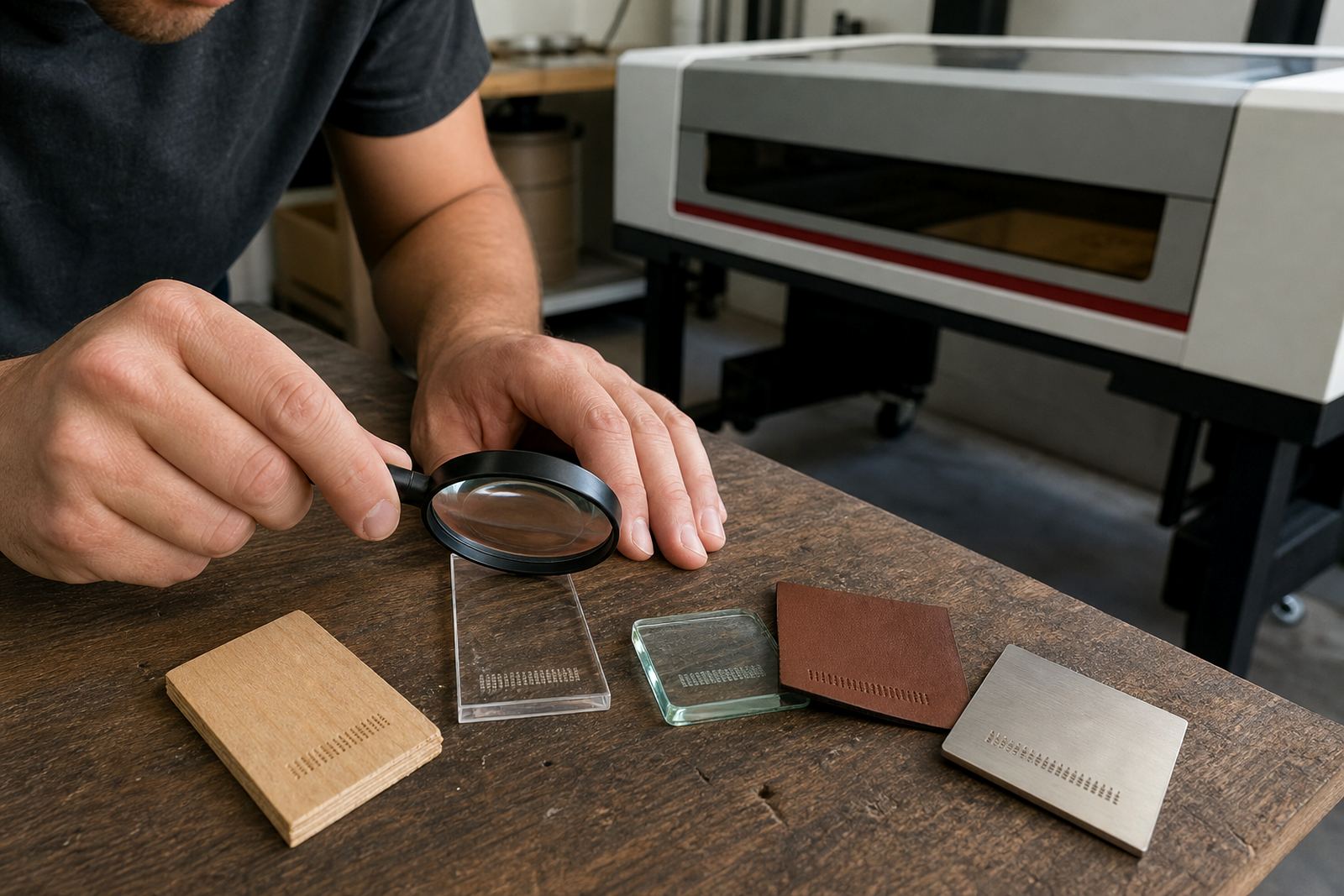
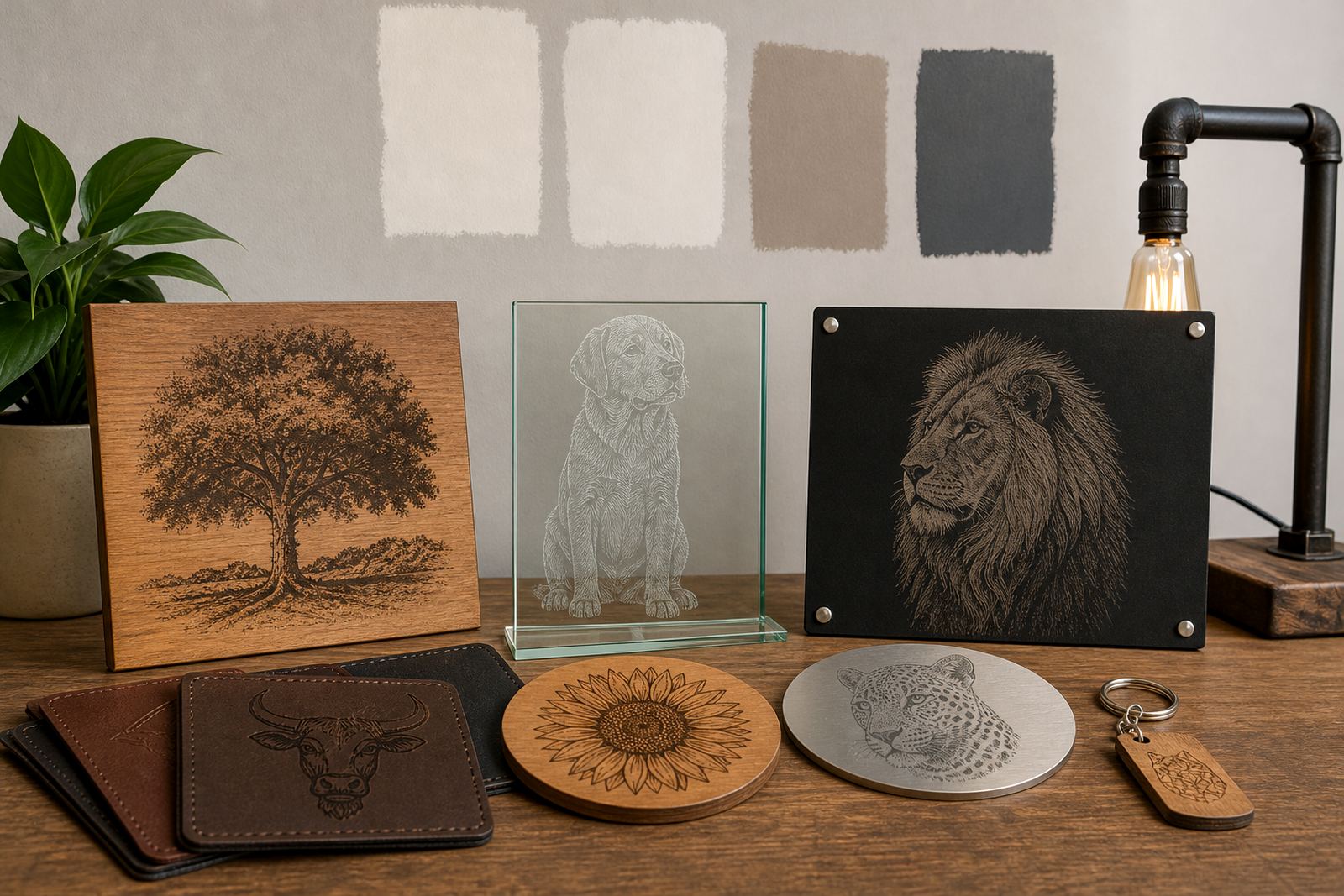
Different materials behave differently under laser engraving, so repeatability starts with knowing how each surface reacts. Wood can vary in grain and colour, acrylic needs clean edge control, glass needs careful marking to avoid chipping, leather can darken unevenly if settings drift, and metal may show differences in contrast depending on the finish.
For a batch order, that means the setup has to be checked before production begins. Font choice, artwork size, engraving area and material thickness all affect the final result. If you are marking 30 name tags or 300 product components, the same settings and positioning need to be carried through from the first piece to the last one.
- Wood: grain and density can affect how dark the engraving appears
- Acrylic: clean edges and correct depth help keep the line sharp
- Glass: careful handling matters, especially for fragile items
- Leather: heat and pressure must be managed so the finish stays even
- Metal: the surface finish influences contrast and readability
How Batch Order Setup Prevents Costly Mistakes
Good batch consistency starts before the first item is engraved. Artwork setup, logo redraw, layout planning and file conversion all help remove errors that could be repeated across the full order. If a logo is slightly off or a file is not clean, that problem gets copied again and again.
That is why proof approval matters. Once the layout is checked, the production team can match the approved version on every item. For branded ranges, reorder matching is also useful because it keeps future orders aligned with the same format, size and placement used before.
For businesses in Johannesburg, Centurion, Midrand and Durban, courier delivery makes it practical to keep one approved engraving style and use it again for later batches. It saves time at the ordering stage and reduces the risk of mismatched stock arriving at different branches.
- Approve one master layout before full production starts
- Keep wording, spelling and code format fixed across the batch
- Store the same file setup for future repeat orders
- Confirm size, position and mounting needs upfront
- Use packaging prep that keeps the finished pieces sorted and protected
Local Example: Pretoria East Stock for a Multi-Site Team
Consider a company in Pretoria East that needs engraved asset tags for a group of vehicles, plus a second batch of counter signs for the same offices a few months later. If the fonts differ, if the mounting holes move, or if the logo sits too close to the edge, the set no longer looks like one family of items.
With a repeatable process, the first sample becomes the reference point for all later orders. The team can match size, keep the same spacing and make sure each tag or sign looks like part of the same system. That is useful for businesses with offices in Pretoria, Centurion and Johannesburg, and also for smaller operations that just need their branded items to look orderly and professional.
At Wapadrand, Pretoria East, the process also has to account for practical local conditions. Batch orders need a clear workflow so items are checked, grouped and dispatched without confusion.
Practical Checks Before You Send a Repeat Order
Before placing a repeat order, it helps to confirm a few details. Even a small change in wording, a new phone number, or a different department name can affect the final layout. The same applies to product marking where the code sequence must follow a fixed format.
LightBurn Engraving supports clients with material guidance, font selection, size planning and proof approval so the repeat order matches the original as closely as possible. For businesses that need mounting options, packaging prep or batch personalisation, those details can be set out before the job starts. That keeps the process orderly from artwork to dispatch.
- Check that the spelling and numbering are still correct
- Confirm whether the old file should be reused or updated
- Tell the team if the material, finish or size has changed
- Ask for the same placement if the items must match previous stock
- Allow for courier packing if the order is going to another city
Why Reorder Matching Matters for Signs, Gifts and Product Marking
Repeatability is not only about neatness. It also helps with stock control, brand trust and replacement orders. If one sign needs to be re-made or a gift range is extended, the new piece should sit comfortably with the earlier set. That is especially important for product marking, where codes, names and labels must remain readable and consistent over time.
For Pretoria East clients and businesses across Gauteng, that means the engraving partner needs to treat every batch as part of an ongoing system, not as a one-off job. Thabo Abrahams, as Managing Director, leads a team that includes operations, laser production, client services, artwork coordination and finishing. That structure helps keep the same standard across new and repeat orders.
When your marked items leave the workshop, they should look like they belong together. That is the real value of batch order consistency, one item at a time, every time.