Why a small test can save a full order
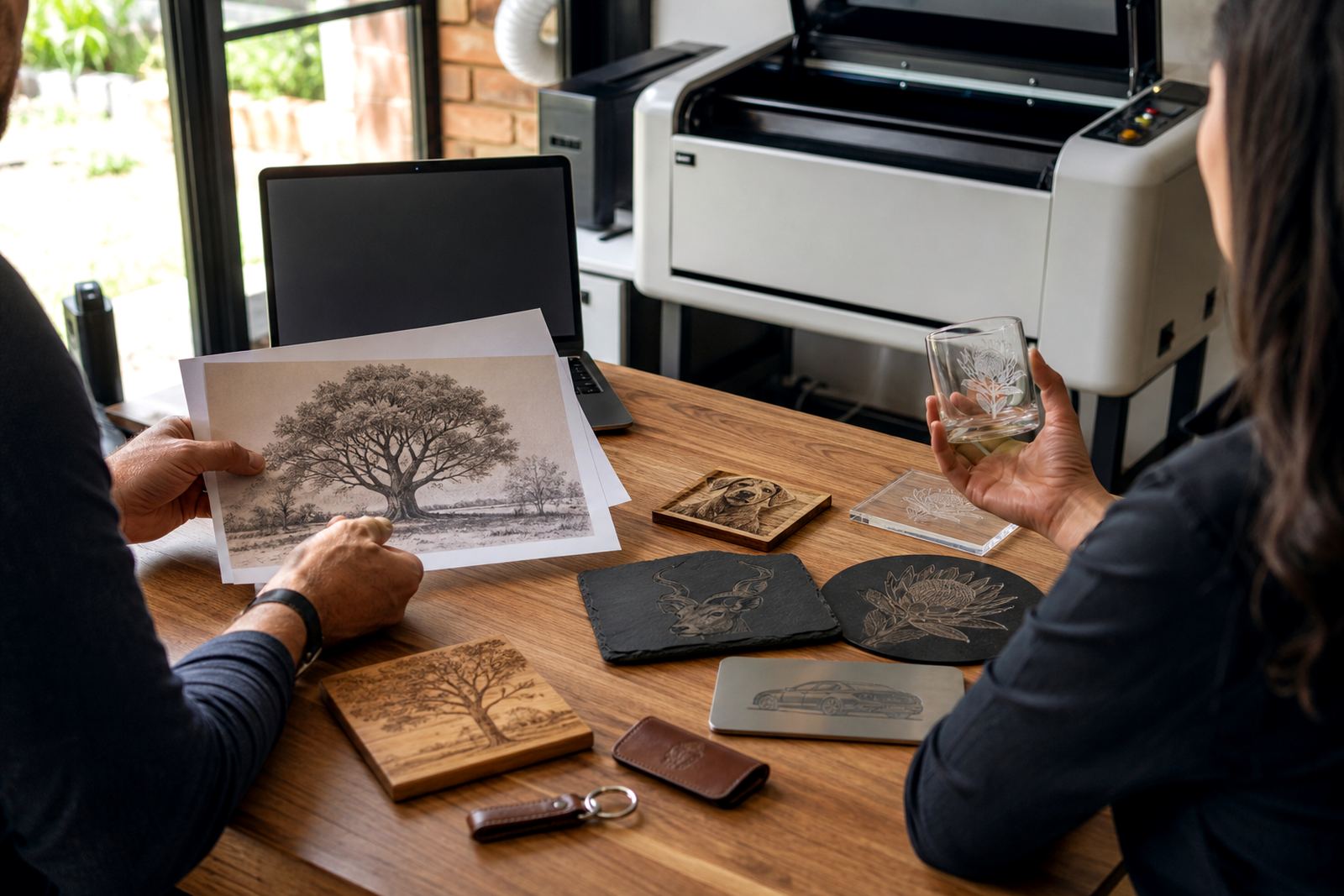
A sample test is the practical step that shows how a specific material will react to laser engraving or marking. Even when the same item has been ordered before, there can be small changes in grain, coating, thickness or surface treatment that affect the final result. A test helps confirm the look before a full batch goes through the machine.
For signs, gifts and product marking, this matters because the finish is often tied to presentation as much as function. A wooden plaque may darken more than expected, an acrylic panel may need lighter power settings, or a metal item may need a different marking approach depending on its surface. The test tells you that before any unnecessary waste happens.
In Pretoria East and across Gauteng, many clients come to us with a deadline, a fixed layout and a clear idea of the end use. A sample test gives confidence that the idea will work on the chosen material, instead of hoping for the best.
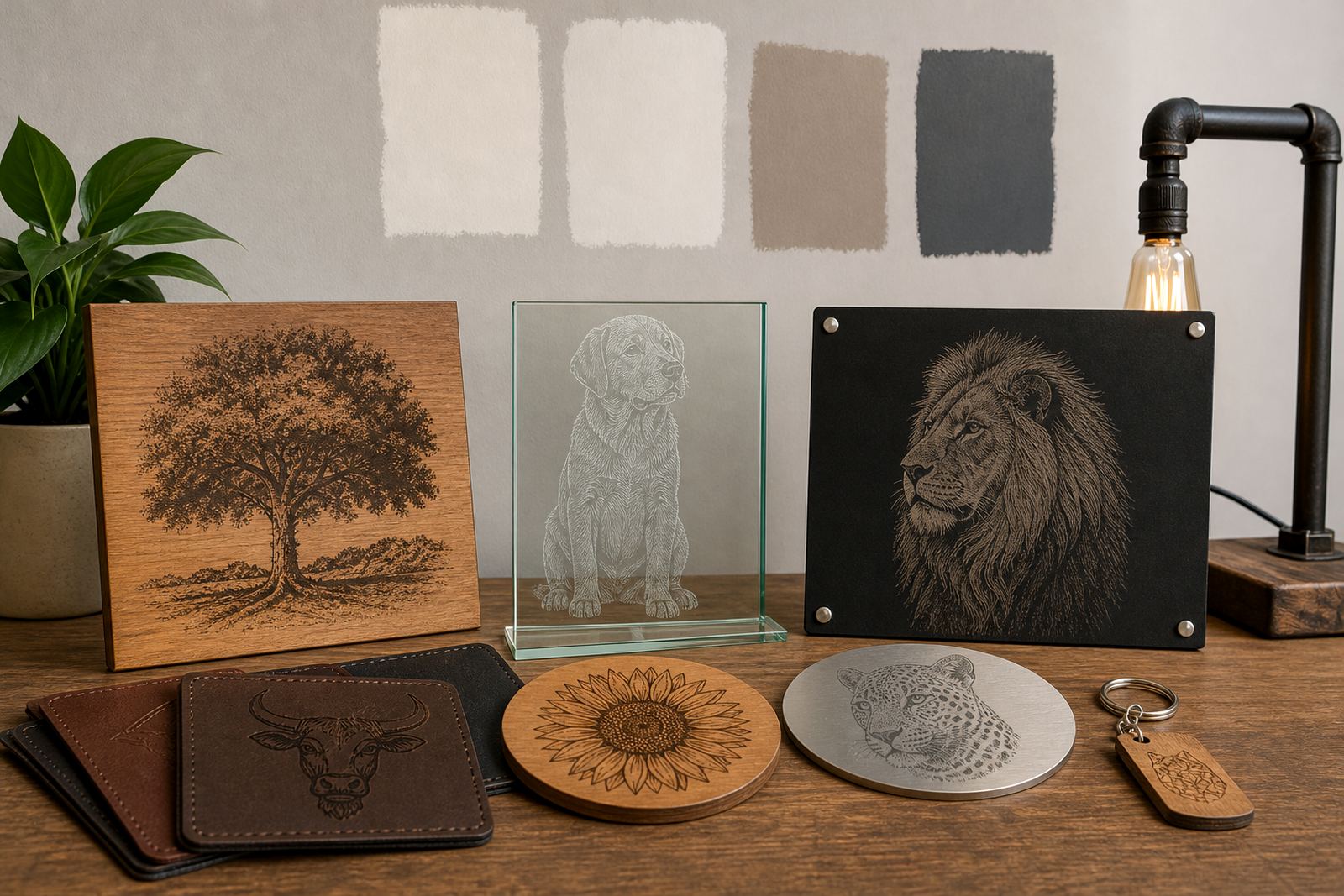
What a proper material test usually checks
A useful test is not only about whether the laser can mark the item. It should show how deep the engraving sits, how clean the edges are and whether the result is readable under normal light. It also helps with checking if a logo needs resizing or if thin text will hold its shape at the final size.
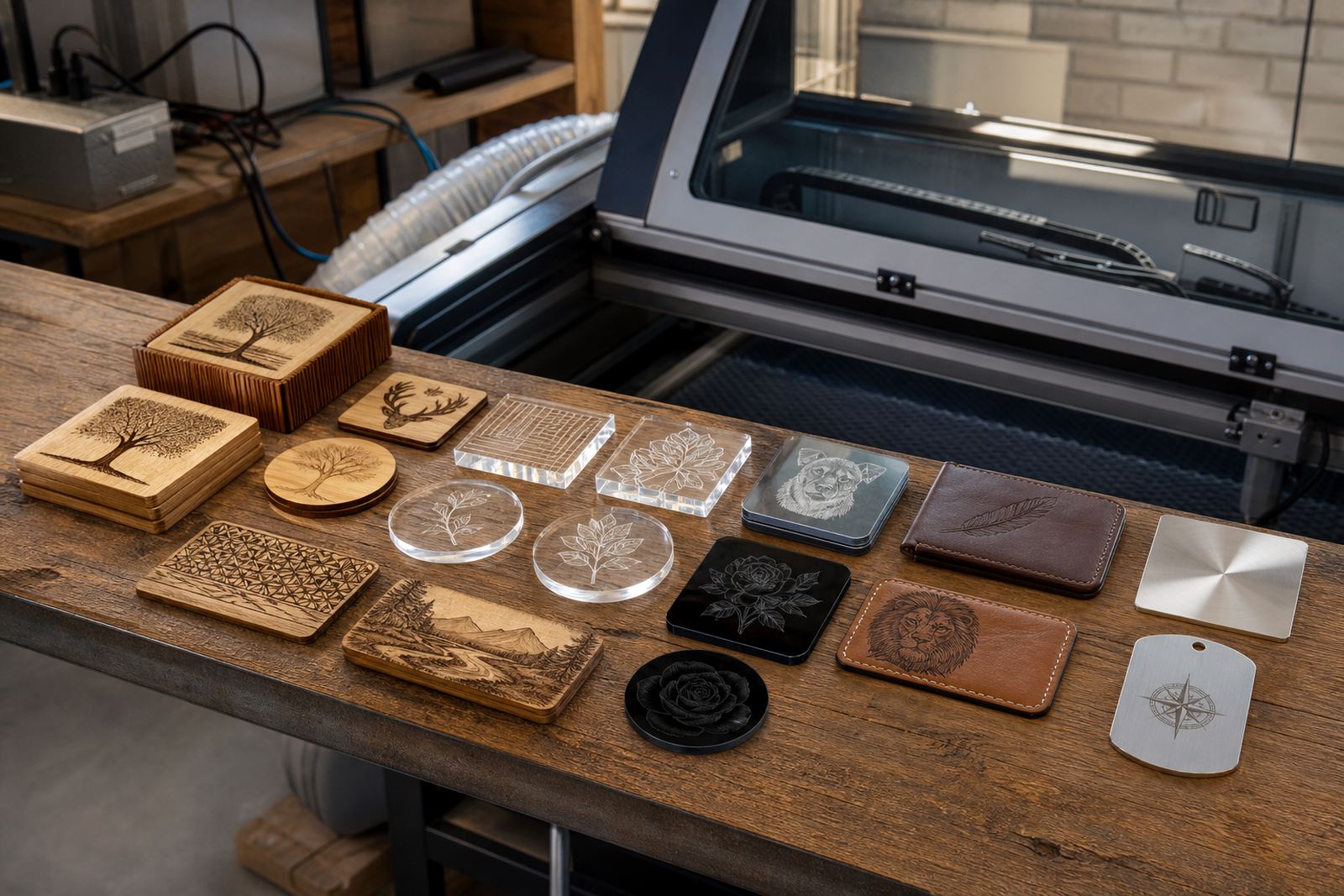
- Wood: checks grain, burn tone and edge darkness
- Acrylic: checks frosting, clarity and edge finish
- Glass: checks surface marking and legibility
- Leather: checks contrast, heat response and texture change
- Metal: checks marking visibility and consistency
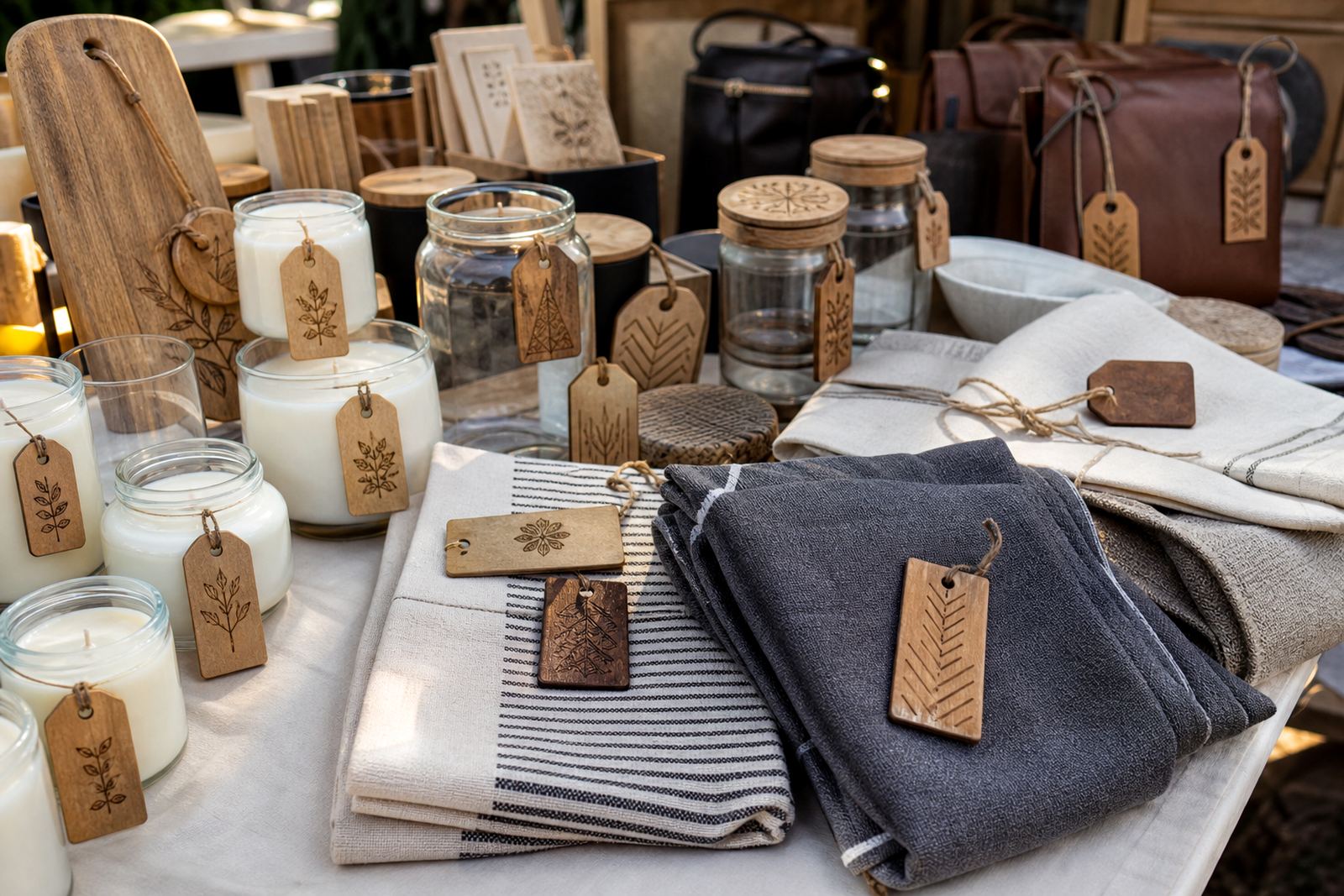
Tests are also useful for mixed jobs where several items must match. A batch of corporate gifts, for example, should not have one item looking heavier or lighter than the others. A test sample sets the standard for the rest of the run.
When testing matters most
Some projects can move ahead with a simple proof, while others need a physical sample before production. This is especially true when the item is expensive, the quantity is large, or the surface has unusual coatings. It also matters when the engraving must sit close to an edge, curve around a shape, or align with a mounting point.
We often see this with storefront signage, award pieces, branded items for events and product marking for resale stock. If the project is going out to Johannesburg, Centurion, Midrand or Durban by courier, a confirmed sample is even more useful because it reduces the risk of repeat shipping and extra handling.
Testing is also wise when the item will be used outdoors. Sun, dust and coastal humidity can all change how a finish reads over time, so a sample gives a better idea of whether the chosen material and marking style are suitable for the job.
- New materials that have not been used before
- Customer supplied items with uncertain coatings
- Work with fine text or detailed logos
- Orders that must match existing pieces exactly
- Projects that need sign-off from more than one person
How sample approval helps the production team
At LightBurn Engraving, sample approval is part of careful production planning. It helps the team confirm artwork setup, font selection, size planning and file conversion before the main run starts. If a logo needs redrawing or the layout needs tightening, that can be sorted at the sample stage instead of after the whole order has been engraved.
This matters most for batch personalisation, where names, numbers or serial marks must remain consistent. A test can show whether there is enough space for the text, whether the line weight is correct and whether the mounting option still leaves the engraving visible. It also supports reorder matching later, which is important for businesses that want the same result months down the line.
It is worth noting that a sample is not a luxury step. It is a control point.
A Pretoria East example that shows the value
A local client in Pretoria East may bring in a set of branded acrylic name panels for a reception area, with a second order of engraved metal tags for equipment. On paper, the artwork can look ready. In practice, the acrylic may need a lighter pass to keep the edges clean, while the metal needs a slightly different mark to stay readable under indoor lighting. A sample test lets both items be checked before the full set is made.
That kind of review is especially useful when the same project has to travel between locations or be installed on site. A sample can be couriered to Johannesburg or Centurion for approval, then signed off before the balance is produced. For clients in Durban, it helps reduce back-and-forth if the item has a gloss surface or sits in a humid environment.
This is where practical guidance matters more than guesswork. A small test gives the client something real to assess, not just a digital preview. It is easier to check feel, finish and clarity when the item is in hand.
What to send for a useful test
The best sample tests start with clear information. The more accurate the brief, the more useful the result. If the artwork is still rough, the team can still advise on layout, but a clean file and basic measurements speed up the process.
- Artwork or logo in the best file format available
- Exact material type, thickness and finish
- Final size or the space available on the item
- Quantity needed for the full order
- Any special notes on mounting, packaging or presentation
Clients can reach LightBurn Engraving through the enquiry form on the contact page for sample requests, reorder matching or advice on the next step. Based in Wapadrand, Pretoria East, we support clients across Pretoria, Centurion, Midrand, Johannesburg, Durban and wider South Africa with engraving for signs, gifts and product marking.