
Why engraved glass needs gentle handling
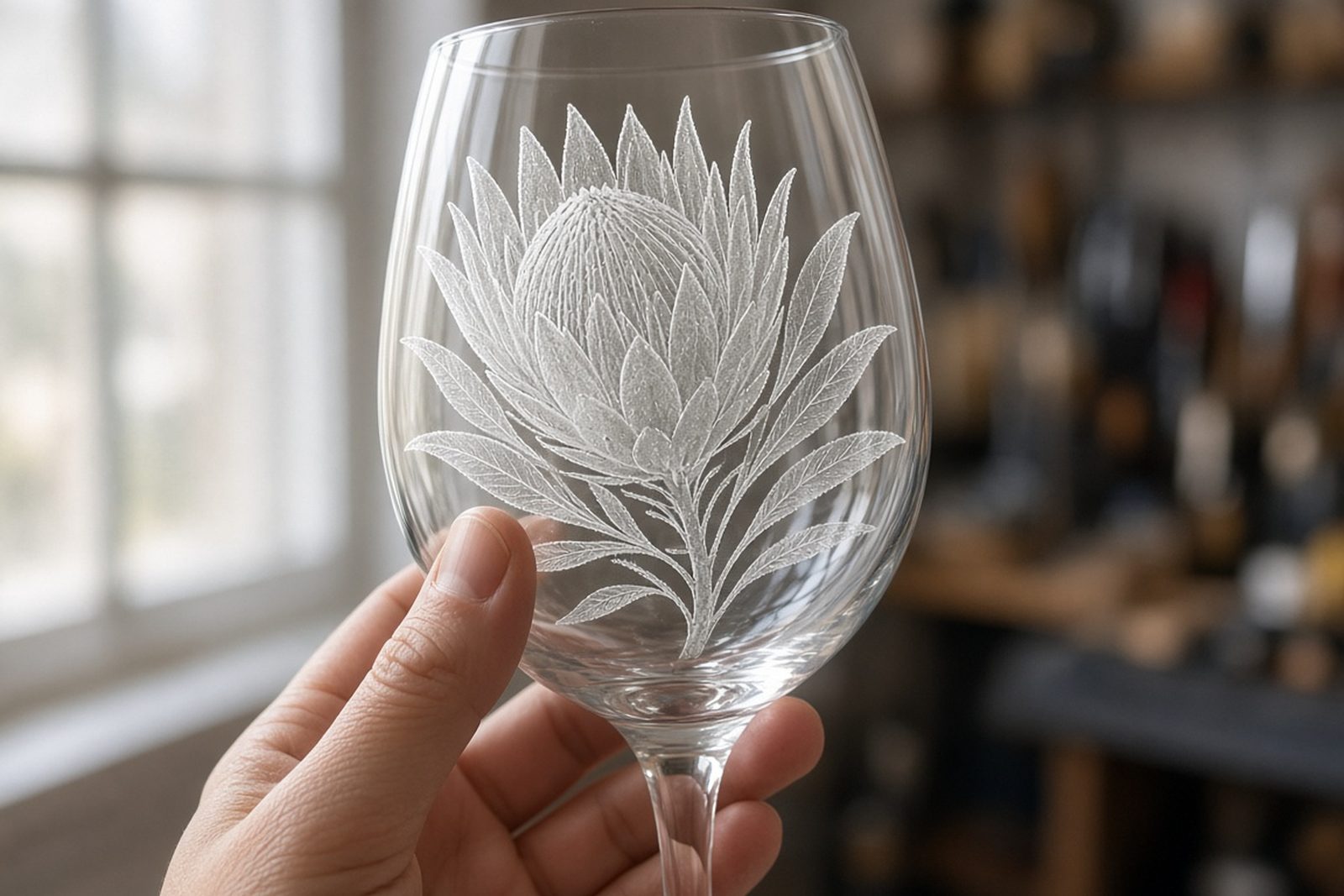
Engraved glass is durable enough for normal use, but the finished surface still needs sensible handling. The engraved area can collect dust, fingerprints and cleaning residue if it is rubbed too hard or stored badly. That matters for gifts, awards, barware and display pieces where presentation is part of the value.
In Pretoria East and across Gauteng, we often see items picked up for events, showroom displays and corporate gifting, then put away in a hurry after use. A little care goes a long way. If a glass is chipped, scratched or knocked against another item, the engraving may still be intact, but the overall look is affected straight away.
Keep in mind that glass is brittle. Even a good engraving on a tumbler, bottle or trophy can be ruined by a knock on a hard shelf or by stacking it with no spacing. For larger runs, especially when items are couriered to Johannesburg, Centurion, Midrand or Durban, the packing method matters just as much as the engraving itself.
Cleaning engraved glass without dulling the finish
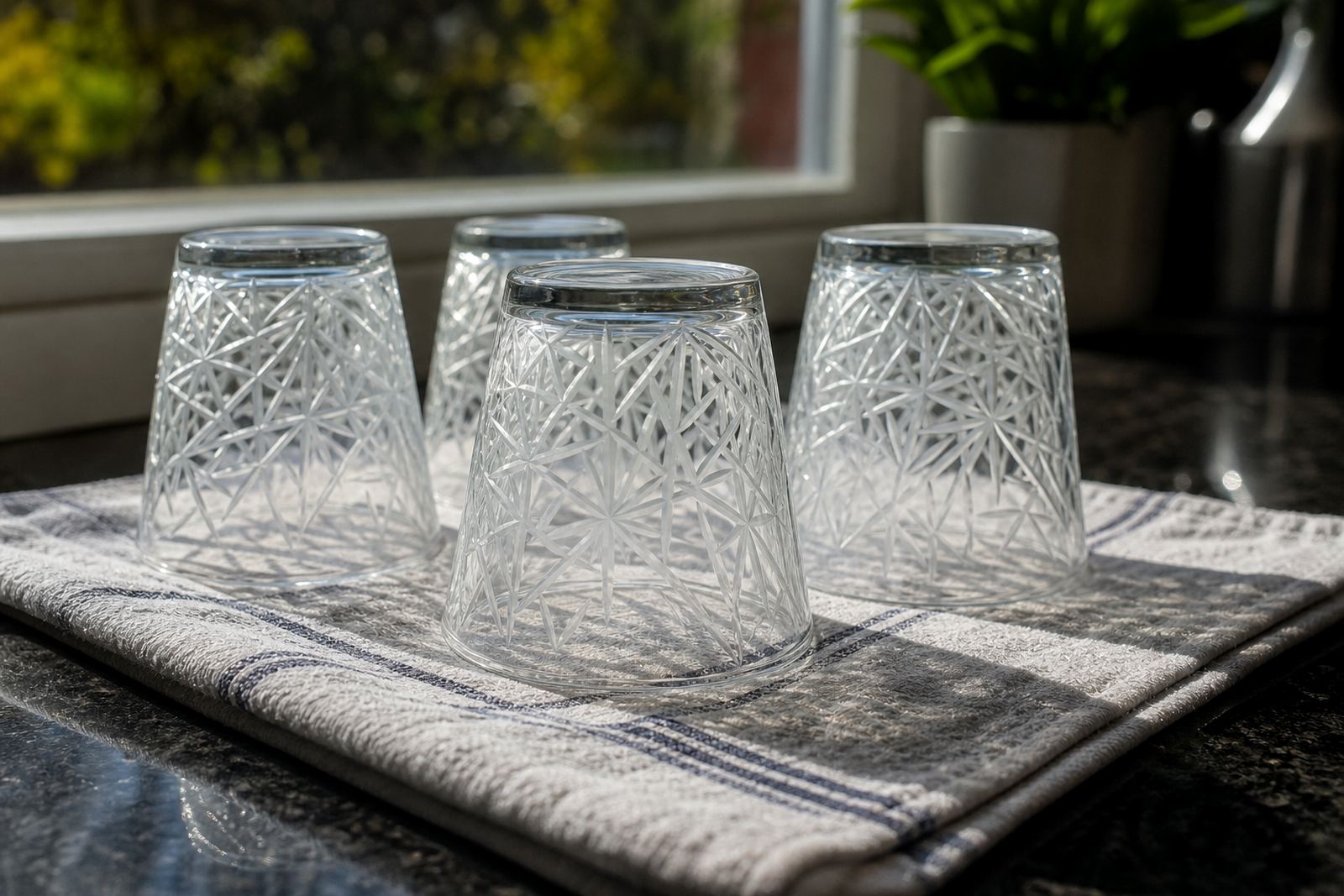
The safest cleaning method is usually the simplest. Use lukewarm water, a mild dish soap and a soft cloth or sponge. Rinse well and dry with a lint free cloth. This helps protect the clarity of the glass and keeps the engraved areas free from residue.
Avoid harsh scourers, abrasive powders and strong solvents. These can leave fine marks on the surface or make the item look cloudy over time. If the engraving has deep texture or fine linework, dirt can sit in the detail, so a gentle wash is better than aggressive scrubbing.
- Wash by hand where possible rather than putting engraved pieces through rough dishwasher cycles.
- Do not use steel wool or textured pads on engraved sections.
- Dry each item fully before storing it away.
- For event stock, inspect items after cleaning to make sure no water spots remain.
For glassware used in hospitality or office settings, regular light cleaning is better than waiting until marks build up. That keeps engraved logos and names readable, and it also saves time when stock needs to be reset for the next use.
Storage habits that prevent chips and scratches
Good storage is one of the easiest ways to protect engraved glass. Keep items standing upright where possible, with enough space between pieces so they do not touch. If shelves are tight, use soft dividers, tissue or felt separators. Do not stack glasses inside each other unless they are designed for that.
Store glass away from direct heat, heavy vibration and damp areas. In coastal regions, moisture can affect packaging and make boxes soften over time, while in dry storage rooms dust can settle into engraved detail. A clean cupboard or padded crate is better than an open shelf near machinery or a busy passage.
For businesses in Pretoria East, Midrand or Johannesburg that keep engraved stock on hand, labelling each batch helps with reorder matching and rotation. That is especially useful for product marking, where sets need to stay consistent across multiple orders and reorders. It is a small step, but it saves a lot of handling later on.
How to pack engraved glass for courier delivery
Courier delivery across South Africa needs packing that keeps the item from shifting. Glass should be wrapped individually, then placed in a snug carton with enough cushioning on every side. If the piece is boxed for gifting, that inner box still needs outer protection. A neat gift box alone is not enough for transit.
For engraved gifts heading to Durban or other coastal towns, extra care is worth it because humidity can weaken low grade packaging if the parcel sits in storage before dispatch. Strong outer cartons, proper tape and a dry packing area help keep the parcel in good shape until it reaches the client.
Where multiple engraved items are sent together, divide them into smaller packs rather than filling one heavy carton. That reduces movement and makes unpacking easier on site. If the order includes glass with wooden, acrylic or metal components, each material should be packed according to its own needs so nothing scratches or presses against the other.
- Wrap each glass item separately before boxing.
- Use void fill so there is no movement inside the carton.
- Mark the parcel as fragile on the outside, but still pack it properly.
- Keep the heaviest item at the bottom of the box.
Keeping engraved gifts presentable for events and clients
Engraved glass gifts are often handed over at launches, year end functions and private celebrations, so appearance matters right up to the moment they are opened. Before presentation, check the item for dust, fingerprints and adhesive residue from packaging. A clean microfiber cloth is usually enough for a final wipe.
If the item is going into a gift bag or display stand, make sure the holder does not scratch the base or rim. Felt pads, soft liners and stable stands are worth using, especially for wine glasses, decanters, awards and keepsake pieces. For business gifts, a tidy finish says more than extra decoration ever will.
Where sets are being handed out in stages, store them in the same orientation and keep the batch together. That makes it easier to match size, shape and engraving layout when more units are ordered later. It also avoids mix ups when a client wants the same gift repeated for a new event.
Glass care for Pretoria East homes, offices and trade orders
In Pretoria East, glass care often depends on how the item is used. A home keepsake may sit in a cabinet for years, while an office award or branded drinkware set may be moved between meetings, receptions and storage rooms. A workshop or trade client may need engraved items packed, repacked and sent out again. The same basic rule applies in every case: less handling, better spacing and proper cleaning.
Our team in Wapadrand works with signs, gifts and product marking, and we see the difference that good care makes after delivery. Whether the order is a single engraved glass gift or a batch sent by courier to Johannesburg, Centurion, Midrand or Durban, the way it is handled after dispatch affects how long it keeps its presentation. A well cared for item stays clear, neat and ready to use, sometimes for years.
If you are planning a repeat order or need matching packaging advice, it helps to keep the same size notes and storage method from the start. That way, the next batch is easier to manage and the final display stays consistent. Small habits make a proper difference, even if the item is only handled once or twice a year.
What to do if an engraved glass piece gets marked
If a glass item picks up a mark, start with the least aggressive fix. Wipe it with a soft damp cloth first, then dry it fully. If the mark remains, use mild soap and water. Do not scrape at the surface with blades, hard tools or rough cloths, because that can do more harm than the original mark.
For stubborn adhesive or label residue, soak the area gently and lift it with a soft cloth. If the engraving itself has been stained by product residue, a careful hand wash is usually enough. Some items just need a proper clean after storage and they look fine again.
When a piece is badly chipped or cracked, stop using it for serving and move it to display only if it is still safe to handle. In many cases, it is better to replace the item than risk injury or further damage. Good care helps prevent that outcome in the first place.