
Why Presentation Matters As Much As The Engraving
An engraved item can be accurate, clean and well spaced, yet still feel underwhelming if it arrives scratched, loose or badly wrapped. That is why presentation is part of the job, not an afterthought. A small plaque for a business foyer, a keepsake box for a wedding or a batch of marked parts for product tracking all need a finish that looks considered from the moment it is opened.
In Pretoria East, many orders are collected locally, but a good number need courier delivery to Johannesburg, Centurion, Midrand, Durban and further afield. Once an item leaves the workshop, packaging has to do a second job: keeping dust, moisture and movement away from the engraving. A careful pack is cheaper than replacing damaged work.
Choosing Materials That Travel Well
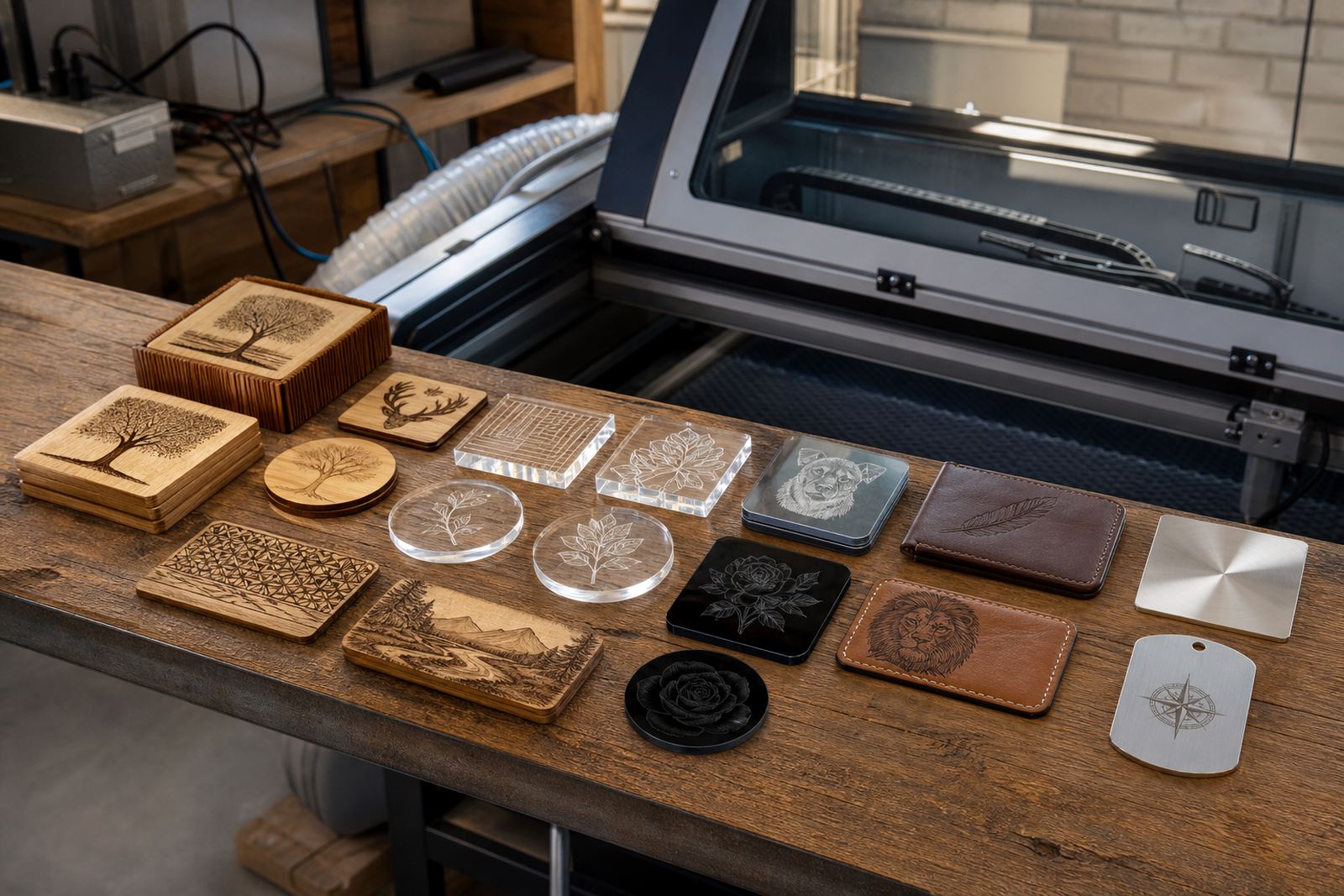
Different materials need different protection. Wood can mark easily if it rubs against hard packing, acrylic can scuff if left loose, glass needs impact control, leather benefits from dry handling, and metal can pick up edge wear if items move inside the box. The material choice should guide the packaging method from the start, not once the job is already finished.
- Wood: keep away from excess moisture and direct pressure on carved edges.
- Acrylic: use surface protection to reduce scratches and static dust.
- Glass: isolate each piece with cushioning and keep it stable inside the carton.
- Leather: protect from marking, folding and damp storage.
- Metal: prevent contact between pieces so brushed or polished areas stay clean.
For gift orders, the presentation layer can be simple but neat. For product marking, the packaging should support counting, sorting and safe handling. If a batch is heading to a store, office or event venue, it helps when each item is packed in a way that makes checking stock easier on arrival.
What Good Packaging Does During Courier Delivery
Courier delivery across South Africa puts engraved items through vibration, stacking and the occasional sudden stop. Good packaging keeps the item fixed in place, so the engraving does not take the impact. The best packing plan depends on the weight, size and fragility of the order, plus how far it is travelling.
Items sent from Wapadrand in Pretoria East to coastal cities such as Durban also need attention to humidity. That is especially true for mixed orders with wood, paper inserts or leather. If packaging is too open, moisture can creep in and affect the finish. If it is too tight, pressure marks can appear. The aim is simple: stable, dry, and easy to open without damaging the piece.
- Use inner cushioning to stop movement inside the box.
- Separate individual items so they do not knock together.
- Mark fragile parcels clearly for the courier.
- Keep proof sheets or order notes outside the main wrapped item.
- Choose outer cartons strong enough for stacking.
Packaging For Gifts, Awards And Personal Orders
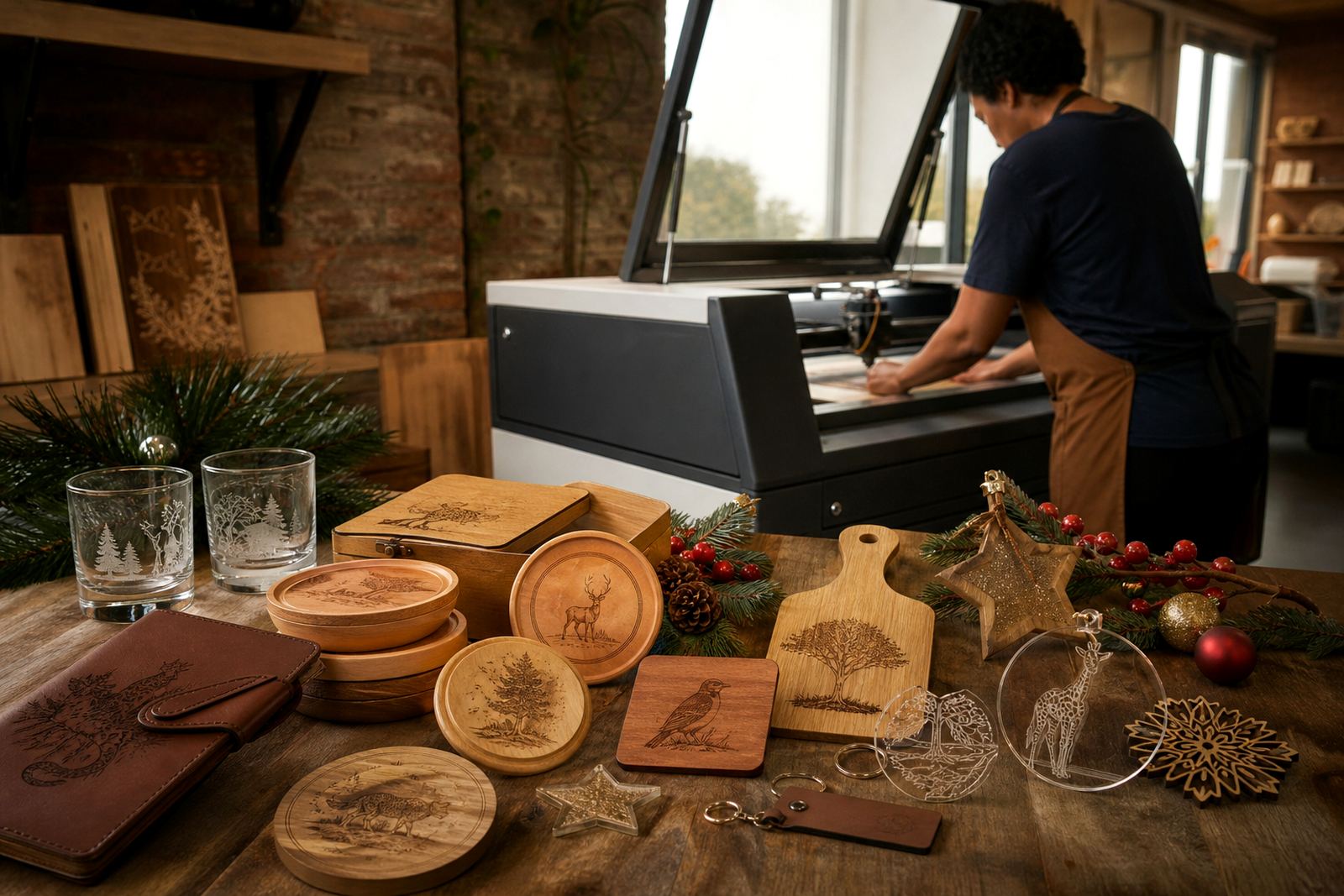
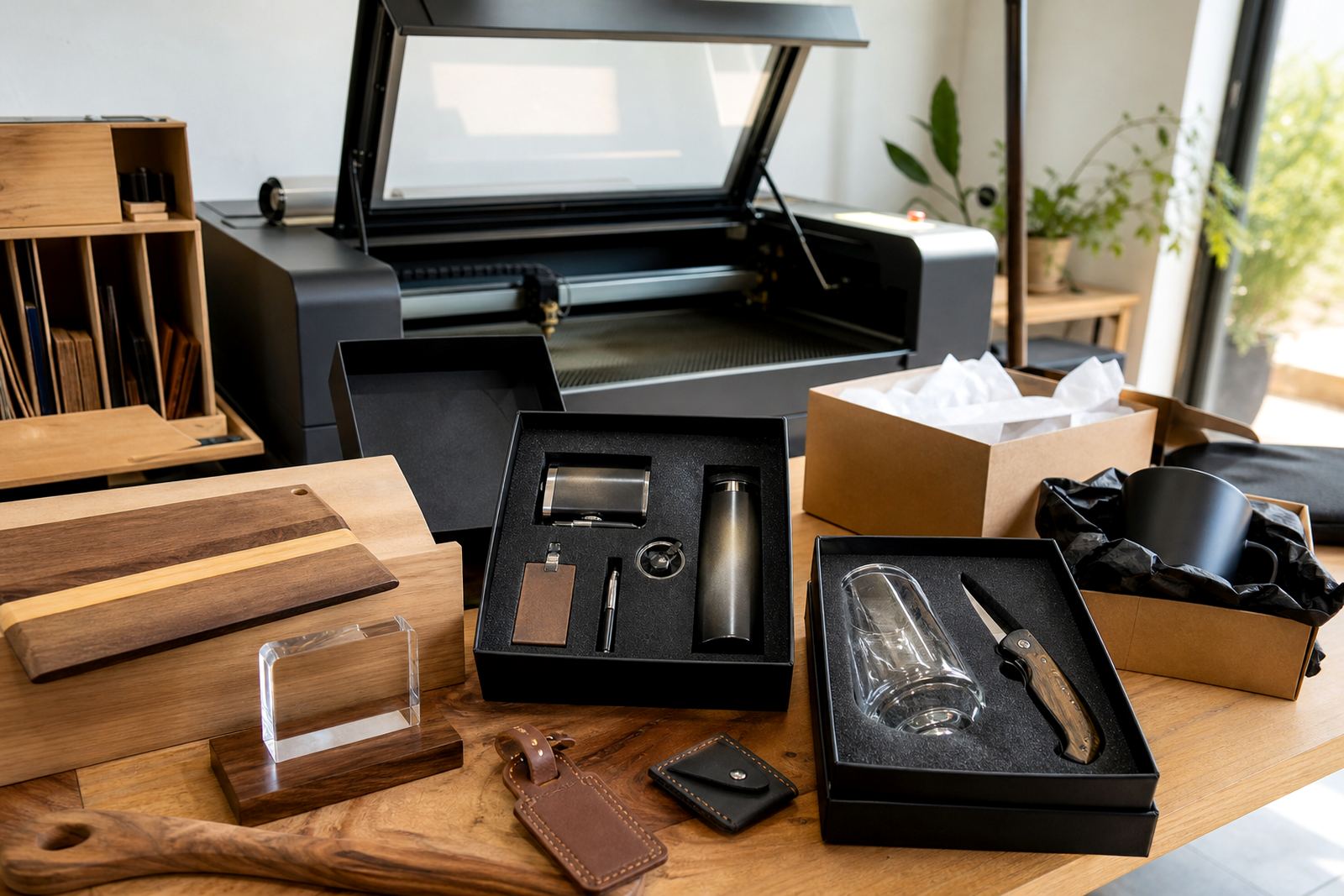
Gift engraving is often about the reveal. The item should feel ready to hand over, whether it is for a birthday, wedding, retirement or corporate thank-you. That does not mean overpacking it. It means matching the wrap, box or pouch to the item so the person opening it feels that the presentation was handled with care.
For awards and commemorative pieces, a neat presentation also helps with the event itself. The person presenting the item should not be fighting tape or trying to clean fingerprints off the surface at the last minute. A simple sleeve, tissue wrap or fitted box can make the whole handover easier. In some cases, a printed label or insert is useful for names, dates or care notes, especially when there are multiple pieces in one order.
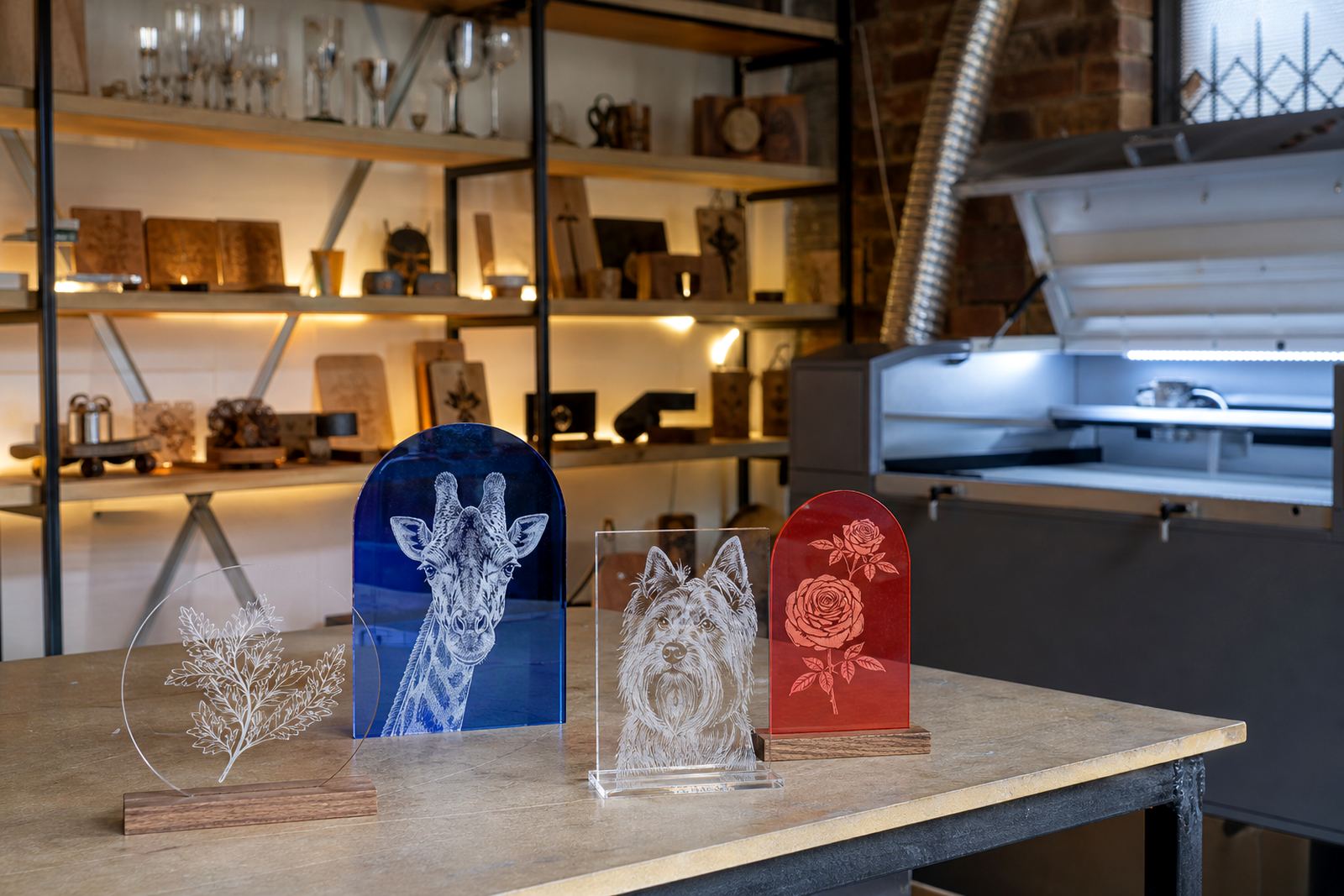
Custom gifts often include materials like acrylic, glass, wood and metal, so the packing style needs to suit the finish. Satin-smooth acrylic shows fine scratches quickly, while brushed metal may show edge wear if it moves. A careful pack keeps those details looking sharp all the way to the recipient.
Batch Marking And Reorder Consistency
Product marking is not only about one item looking good. It is about keeping the whole batch consistent. When a business orders repeated labels, serial numbers or identification pieces, packaging has to support sorting, matching and easy reordering later. That is why clear pack labels and neat grouping matter as much as the engraving itself.
In Pretoria East, our team under Thabo Abrahams follows a set workflow for artwork setup, proof approval, file conversion and batch personalisation. That process helps keep repeat work aligned so the second order matches the first. If a client later needs the same layout, the same size or the same font treatment, the packaging notes and stored job details make the repeat run much easier to handle.
For businesses in Johannesburg, Centurion, Midrand and across Gauteng, this is practical rather than decorative. Items can be grouped by department, branch or product line so the receiving team can check stock without opening everything at once.
An engraving order bound for Pretoria East
Consider a local company in Pretoria East ordering engraved metal nameplates for a client display area, plus a set of small wooden keepsakes for staff recognition. The nameplates need to be flat, separated and protected from scuffing. The wooden pieces need breathing room so the edges are not crushed. If both are packed the same way, one part of the order usually suffers.
In a case like this, the finishing team would separate the items by material, add suitable cushioning and prepare each group for either collection or courier dispatch. That is the practical side of engraving that people do not always see. It is not only about making the mark; it is about making sure the finished piece still looks right when it reaches a boardroom in Centurion or a home address in Durban. That final step is where good handling pays off.
What Clients Should Ask Before Final Approval
Before proof approval, it helps to think about how the item will be used, stored and transported. A little planning at this stage can save a lot of trouble later. Clients do not need to know every technical detail, but they should be clear on the end use and the handling conditions.
- Will the item be collected in Pretoria East or couriered elsewhere?
- Will it be handled daily, displayed, or stored after use?
- Does the material need protection from moisture, fingerprints or impact?
- Should each item be packed separately or grouped for easier counting?
- Is the finish meant for gifting, internal use or public display?
When these points are clear, the engraving, packaging and dispatch choices all line up. That gives the client a better result and reduces the chance of damage, confusion or rework.