Why repeat orders are easier when the original setup is kept
Repeat engraving work is not just about copying a name or logo again. The better approach is to keep the full setup from the first job, including artwork size, font choice, spacing, material thickness and fixing method. That way the next batch matches the first one, even if it is being sent to Pretoria, Johannesburg, Centurion, Midrand or Durban.
At LightBurn Engraving, repeat order planning is part of the practical side of the job. If a client comes back months later for extra name plates, promotional gifts or replacement signage, we can work from the same layout notes and material guidance. It saves time, but more importantly it avoids awkward differences in colour tone, hole positions or text alignment.
What should be saved after the first engraving job
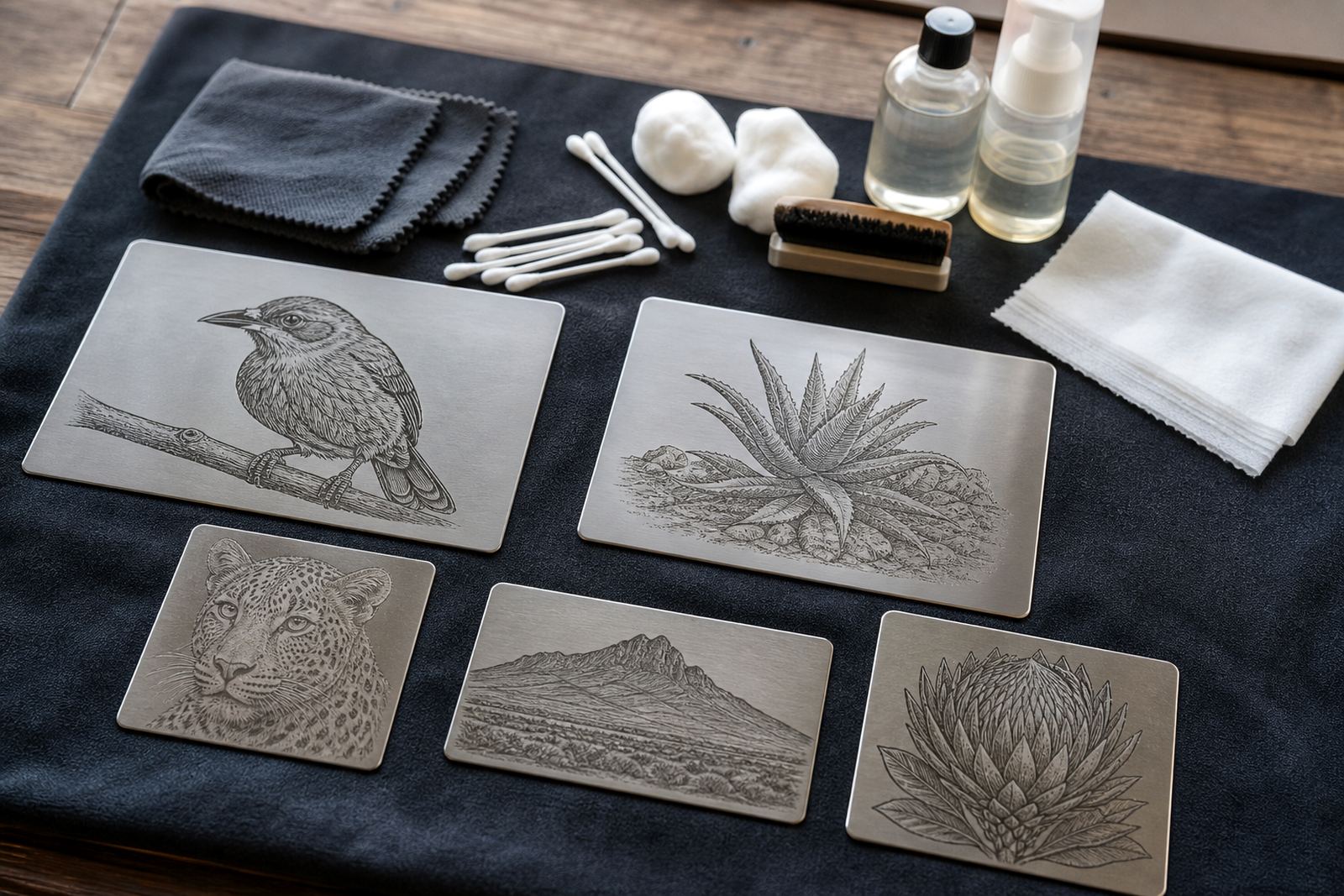
Good records make a reorder much simpler. After the first run, keep a clear note of what was approved, what material was used and how the item was finished. That includes whether the job was engraved on wood, acrylic, glass, leather or metal, because each surface behaves differently under the laser.
- Final artwork version and any logo redraw notes
- Font selection, wording and line spacing
- Exact size and orientation of the engraved area
- Material type, thickness and finish
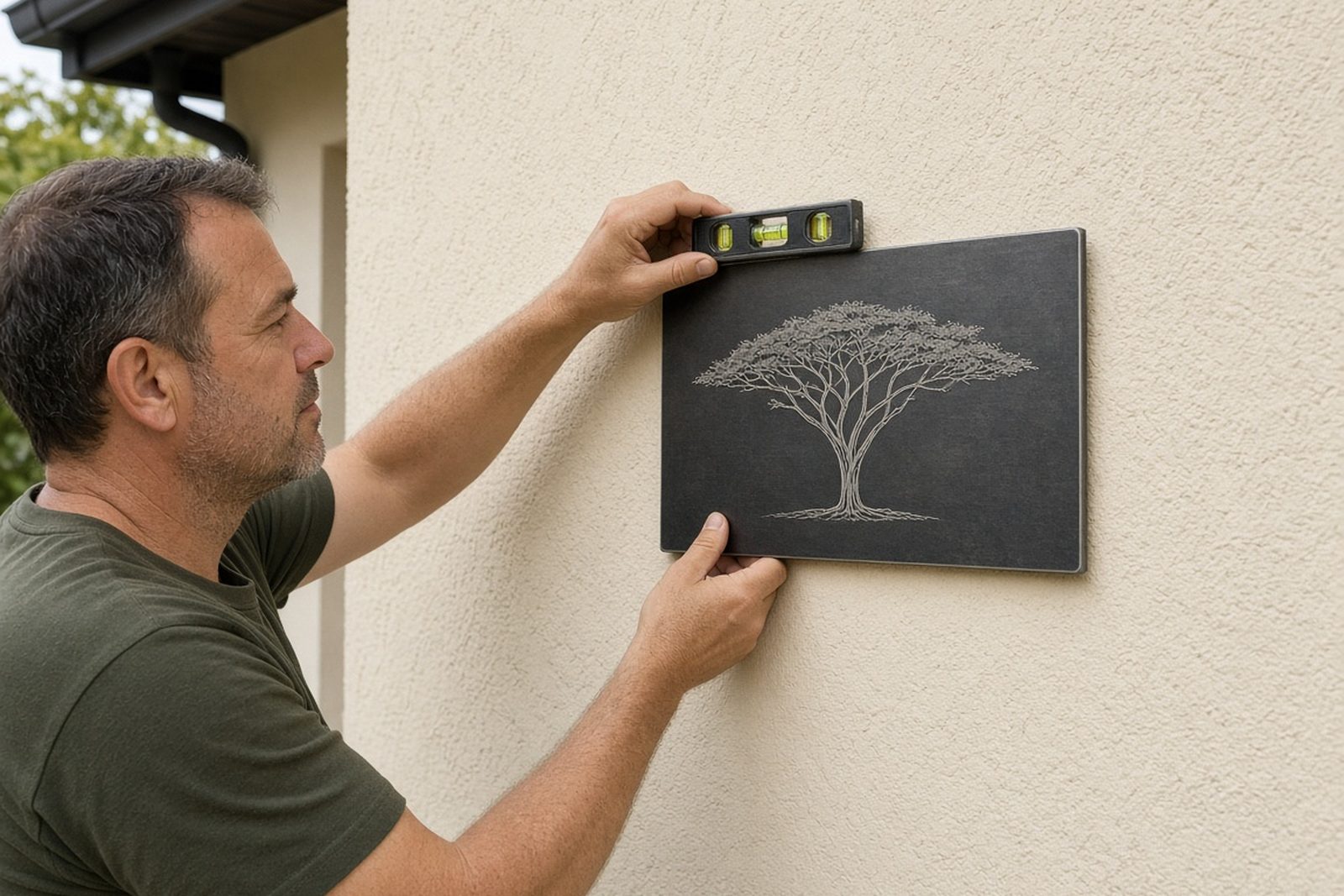
- Mounting options or fixings used on signs
- Packaging requirements for courier delivery
- Any approval comments from the first proof
Even small details matter. A slightly different board colour or metal finish can change the look of the engraving, and if you are ordering a second batch for a reception area or retail floor, consistency is usually the goal.
How material choices affect future reorders
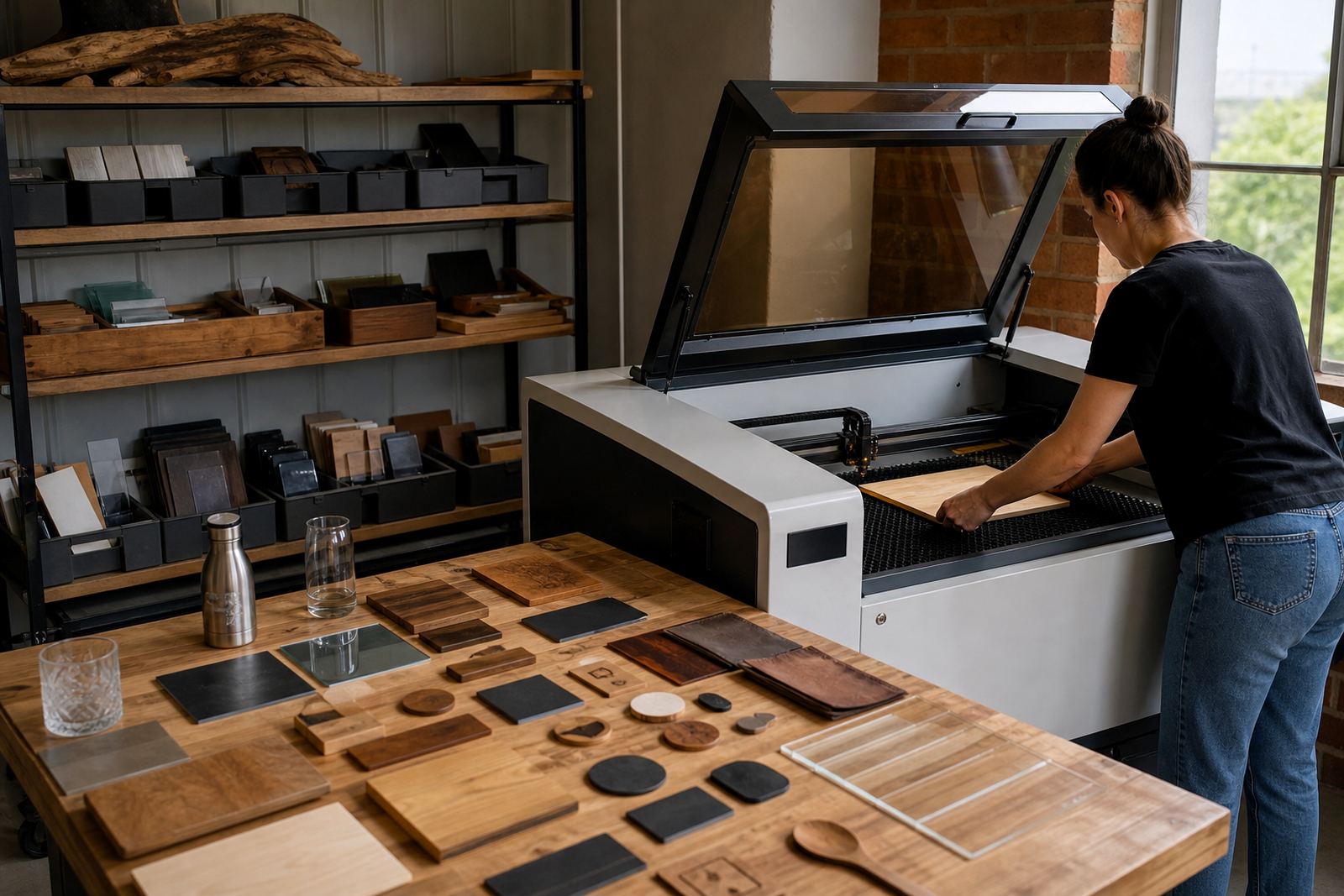
Material choice is often the part people forget to record, yet it is one of the biggest factors in repeat jobs. Wood grain can vary from piece to piece, acrylic may come in different shades or thicknesses, glass needs careful handling and metal can require different marking depths depending on the finish. Leather also needs tested settings so the burn mark stays clean without damaging the surface.
For clients planning more than one order, we usually recommend keeping the same supplier notes on material guidance and size planning. That matters for signs that need to match across several sites, or product marking that must look the same on every unit. On the coast, humidity can also affect storage and handling, so keeping the original material spec helps avoid warping, lifting or surface marks before installation.
Batch personalisation without losing consistency
When a business orders multiple items, such as staff gifts, event sets or numbered product tags, batch personalisation becomes the real test. Names, serial numbers and department titles may change from item to item, but the overall layout should remain steady. That is where proof approval and file conversion history save time on the next run.
For example, a Pretoria East firm may order engraved acrylic door signs in one quarter and then come back later for matching office labels and welcome plaques. If the original layout has been saved, the new items can follow the same visual system. No one wants to see one sign with a different font weight or a logo sitting 5 mm too high, it looks untidy and makes the whole set feel mismatched.
- Use one master layout for the whole series
- Record the approved text hierarchy
- Keep numbering or naming rules in the same format
- Confirm whether each item needs individual packaging
Repeat orders for signs, gifts and product marking
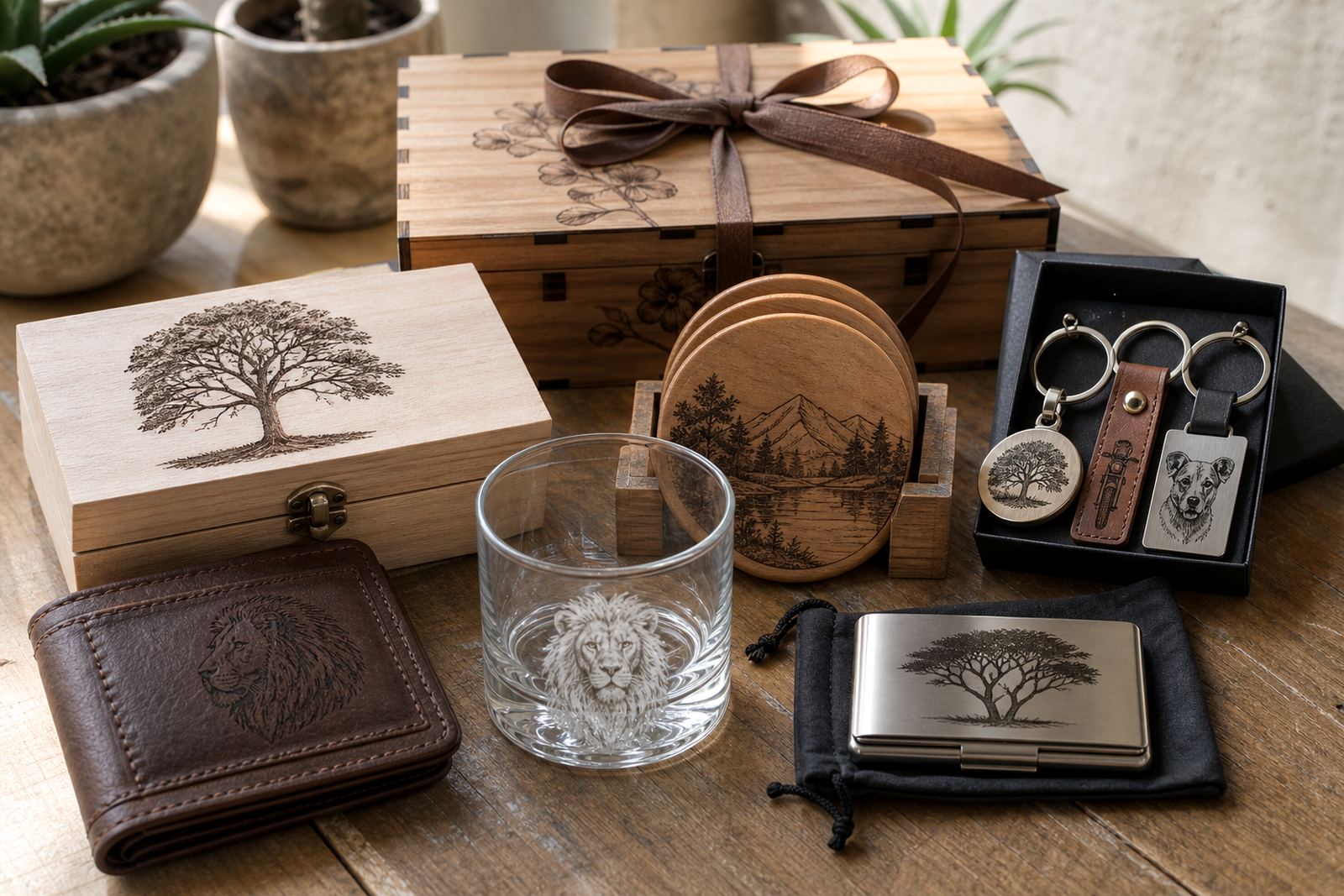
Different products need different kinds of repeat planning. A storefront sign may need the same hole pattern and mounting option again, while a gift item may need the same engraving depth and placement on each batch. Product marking often needs the strictest repeat control because the mark has to stay legible on every item, especially where batch sizes change over time.
Clients often ask for reorder matching after a season changes or a branch opens. In those cases, we check the earlier notes for artwork setup, size planning and finishing instructions before starting the new work. It is a practical way to keep your branding steady across Gauteng and beyond without having to redesign everything from scratch each time.
From the studio log: The rest of South Africa
A Pretoria East business might begin with a set of engraved name plates for a showroom in Wapadrand, then later need matching pieces for a branch in Centurion and more items couriered to Johannesburg and Durban. If the first order was saved properly, the next round is straightforward. The same font, same spacing and same material guidance can be followed, even when the delivery points change.
That kind of repeat work is common for offices, retailers and small manufacturers. It helps to keep one simple file of approvals, one note of the substrate used and one record of the finishing details.
What our team checks before a reorder goes ahead
Before starting a repeat job, the LightBurn Engraving team checks the artwork and production notes so the new item follows the same standard as the first one. Our operations and production teams look at the material, layout, mounting and finishing details first, then confirm whether any small adjustments are needed for the new batch.
- Artwork Setup and logo redraw if the source file needs cleaning up
- Layout Planning and Font Selection for the same visual style
- Material Guidance for wood, acrylic, glass, leather or metal
- Proof Approval before cutting or marking begins
- Packaging Prep for courier delivery across South Africa
That process keeps repeat orders practical and organised. It also gives clients confidence that a reorder will match the original, not just in name but in finish, scale and overall look.