Why serial plates matter on site and in the office
Serial plates are used anywhere an item needs a permanent identity. A plate can carry a serial number, model reference, batch code, asset tag or a short instruction line, and it stays with the item long after paper labels have peeled off or faded. That matters in busy workplaces where equipment is moved, serviced and checked often.
In Pretoria East and across Gauteng, we see serial plates used for pumps, panels, racks, tools, office equipment and fitted components. They help with stock control, maintenance records and warranty follow ups. When an electrician, fitter or storeman can match the plate to a file or register, there is less confusion and fewer delays.
- Keep one consistent numbering system across all locations.
- Use a readable font and enough spacing for fast checking.
- Allow for dust, sunlight, cleaning products and handling.
Common uses for engraved serial plates
Engraved serial plates are not only for industrial plants. They are used on equipment in offices, factories, schools, workshops and retail spaces too. The main aim is to identify an item quickly and accurately, even after years of use. That is why the plate needs to be fixed properly and made from a material that suits the environment.
Typical applications include machinery identification, electrical panels, air handling units, custom-built furniture, branded display stands and fitted equipment. In coastal areas such as Durban, a plate may need better resistance to humidity and corrosion. In a warehouse in Midrand, the plate may need to cope with frequent handling and regular wiping.
- Asset tags for tracking internal equipment.
- Machine plates with model and service details.
- Instruction plates for switches, valves and controls.
- Reference plates for fabricated parts and assemblies.
Choosing the right material for the job
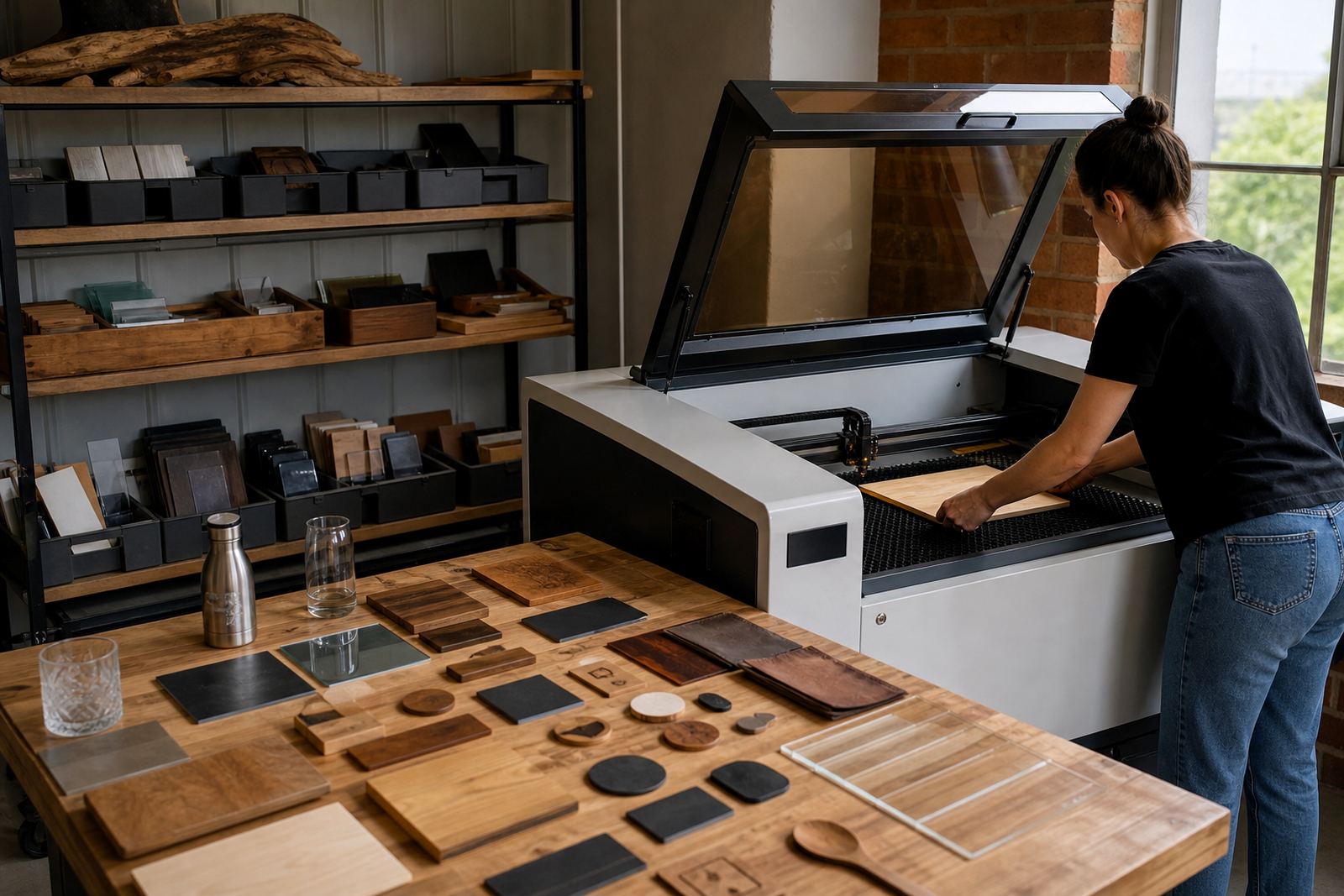
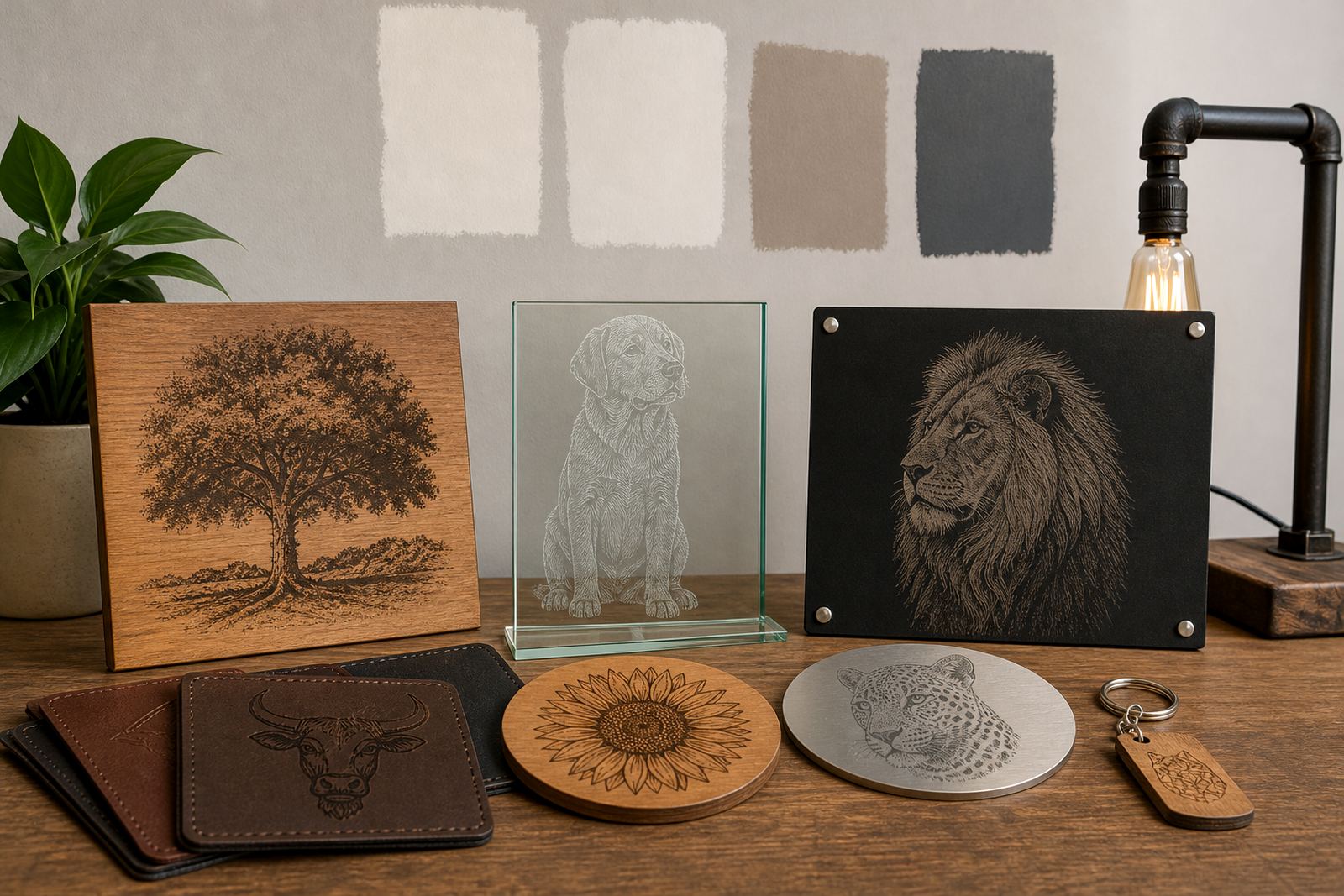
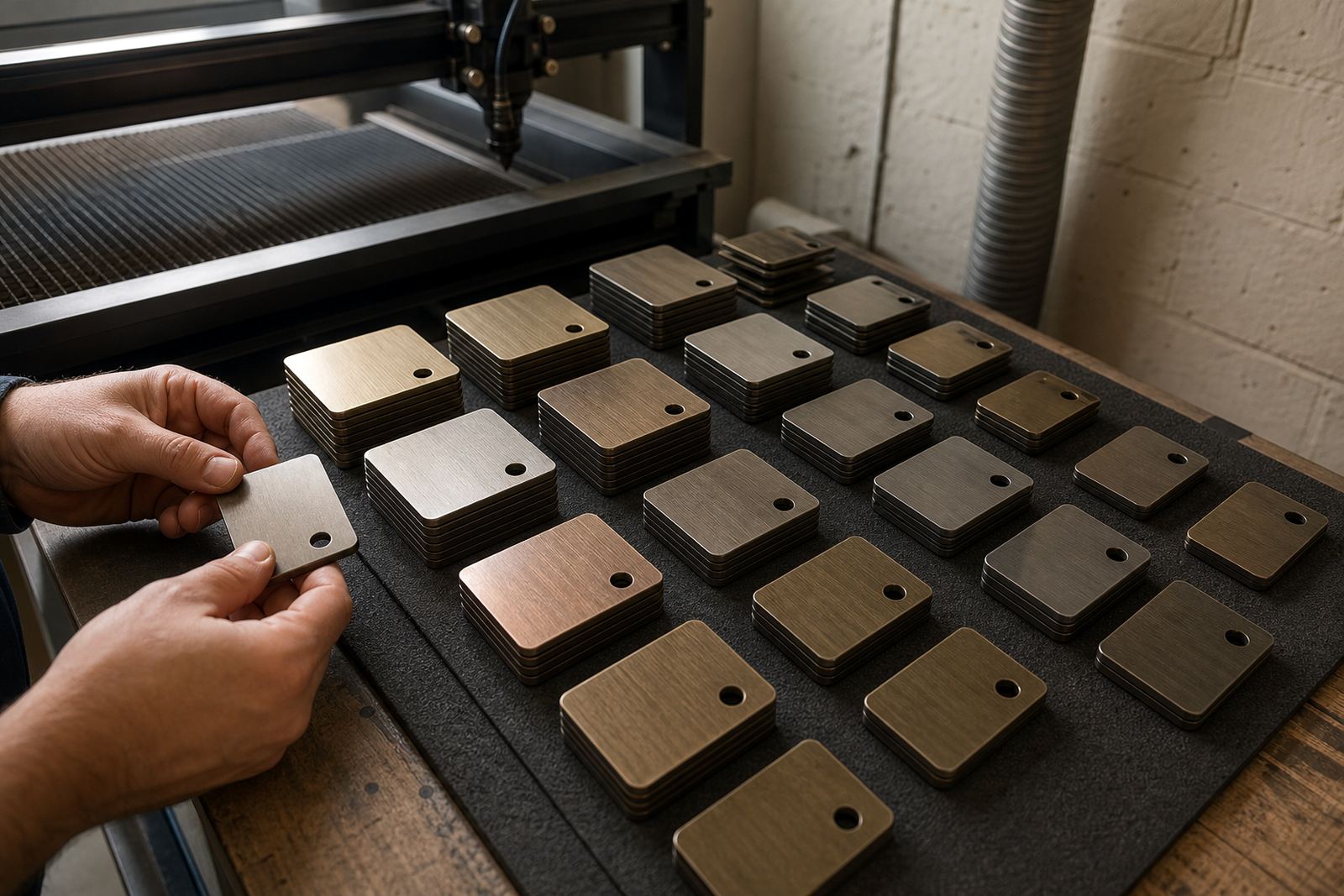
The material choice depends on where the plate will be fitted and how it will be used. Laser engraving can create fine detail on wood, acrylic, glass, leather and metal, but serial plates usually need materials that are hard wearing and easy to read. For long term identification, metal plates are common, while acrylic can suit lighter duty indoor use.
For external use, the finish should be selected with sun, rain and cleaning in mind. In Gauteng, UV exposure can be harsh on printed labels, so engraved detail is often the safer option. On machinery, a metal plate fixed with screws or industrial adhesive may be more practical than a loose tag, while on a presentation item a neater decorative finish may be more suitable.
- Metal for high wear and outdoor use.
- Acrylic for lighter indoor identification.
- Wood for decorative pieces and presentation items.
- Glass or leather for special gift items, where appropriate.
Information to include on a serial plate
A good serial plate is concise. If it tries to say too much, the important details get lost. The best plates balance clarity with enough information for traceability. Before ordering, it helps to decide what the user needs to see at a glance and what can stay in a register or internal file.
For many clients, the useful details are a serial number, asset code, model name and a short company or department reference. Some plates also carry a warning, service interval or installation note. If the plate is for a machine or electrical item, the layout should leave enough breathing room for the text to remain legible at a practical viewing distance.
- Serial number or asset code.
- Model or part reference.
- Department, site or location code.
- Service note, safety note or installation detail.
How serial plates support maintenance and compliance
When equipment has a clear serial plate, maintenance teams can log checks faster and with fewer errors. That helps when jobs are spread across more than one site, or when the same equipment type appears in several branches. A plate also makes it easier to match the physical item with service sheets, handover notes and internal records.
In practical terms, this matters for landlords, body corporates, workshops and small manufacturers alike. If a pump fails in a Pretoria East complex, or a control box in Centurion needs inspection, the plate gives the technician a direct reference.
- Faster fault logging and service updates.
- Better stock and asset control.
- Cleaner handover between teams or sites.
- Support for audit trails and internal checks.
A Pretoria East example that makes the point
A local example is a small fabrication workshop in Pretoria East that fits custom components for repeat customers. Each finished unit needs a serial plate so the team can match the item to the job card, check the build date and identify the correct part when it returns for service. Without that plate, matching one unit to another becomes slow and uncertain.
For a business like that, the plate must be easy to read, fixed securely and made in a way that suits the environment. The workshop might use metal for the working units and a cleaner engraved acrylic label for presentation pieces. With courier delivery available across South Africa, the same approach works for clients in Johannesburg, Centurion, Midrand and Durban too, not just in Pretoria.
Getting a serial plate layout ready before engraving
Before engraving starts, the layout should be checked carefully. Small spacing errors can make a plate hard to read, especially once it is fitted into a narrow space or seen in poor light. A good setup process includes artwork preparation, logo redraw where needed, font selection, size planning and proof approval before production.
That is also the stage to confirm mounting options, file conversion and batch personalisation if many plates are needed. If repeat orders are likely, keep the same naming style and size format so later reorders match the originals. It saves time and avoids mismatched labels, especially where different departments are responsible for ordering.
- Confirm plate size and fixing method first.
- Use one standard format for all repeated items.
- Check spelling, numbers and spacing before approval.
- Keep a record for future matching and reorders.