Start with the job your plaque must do
Before choosing a style, decide what the plaque must help with. A front gate plaque for a busy street in Pretoria East needs to be readable from the pavement or driveway, while a smaller plaque by a front door can focus more on appearance. If you live in a complex, estate or sectional title property, check the body corporate rules first so your size, wording and mounting method stay within the guidelines.
Think about who must read it. Couriers, visitors, municipal workers and emergency services all need clear information at a glance. If your street number is hard to see from the road, the plaque should prioritise contrast and simple lettering over decoration. For homes with a separate surname plaque, decide whether the number and name will sit on one board or on two matching pieces.
- Confirm the exact wording, including initials, unit numbers and street name if needed.
- Check where the plaque will be viewed from, close up or from the road.
- Measure the available wall, gate or pillar space before choosing a size.
- Review estate or municipal rules on placement, colour and fixing methods.
Choose the right material for local conditions
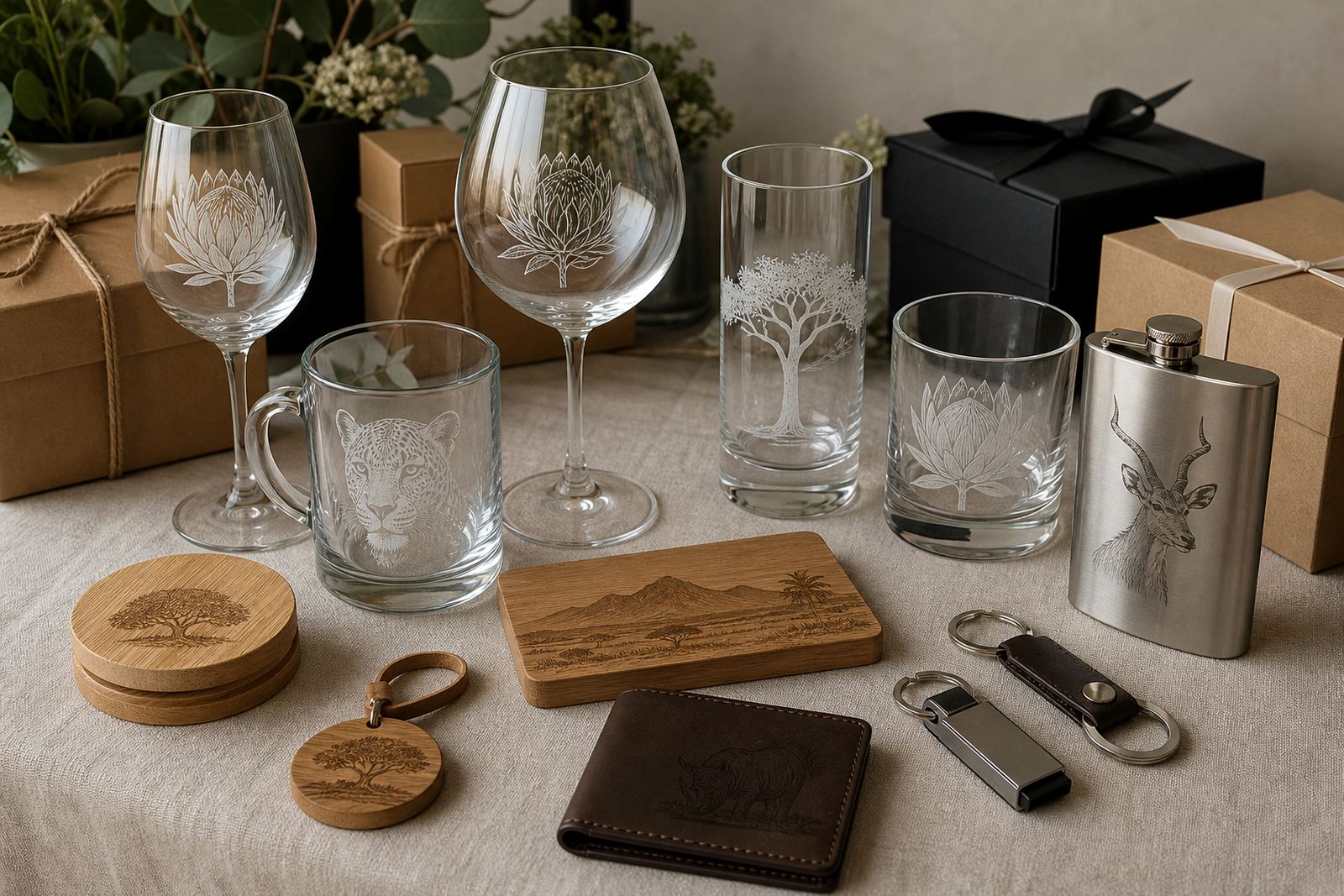
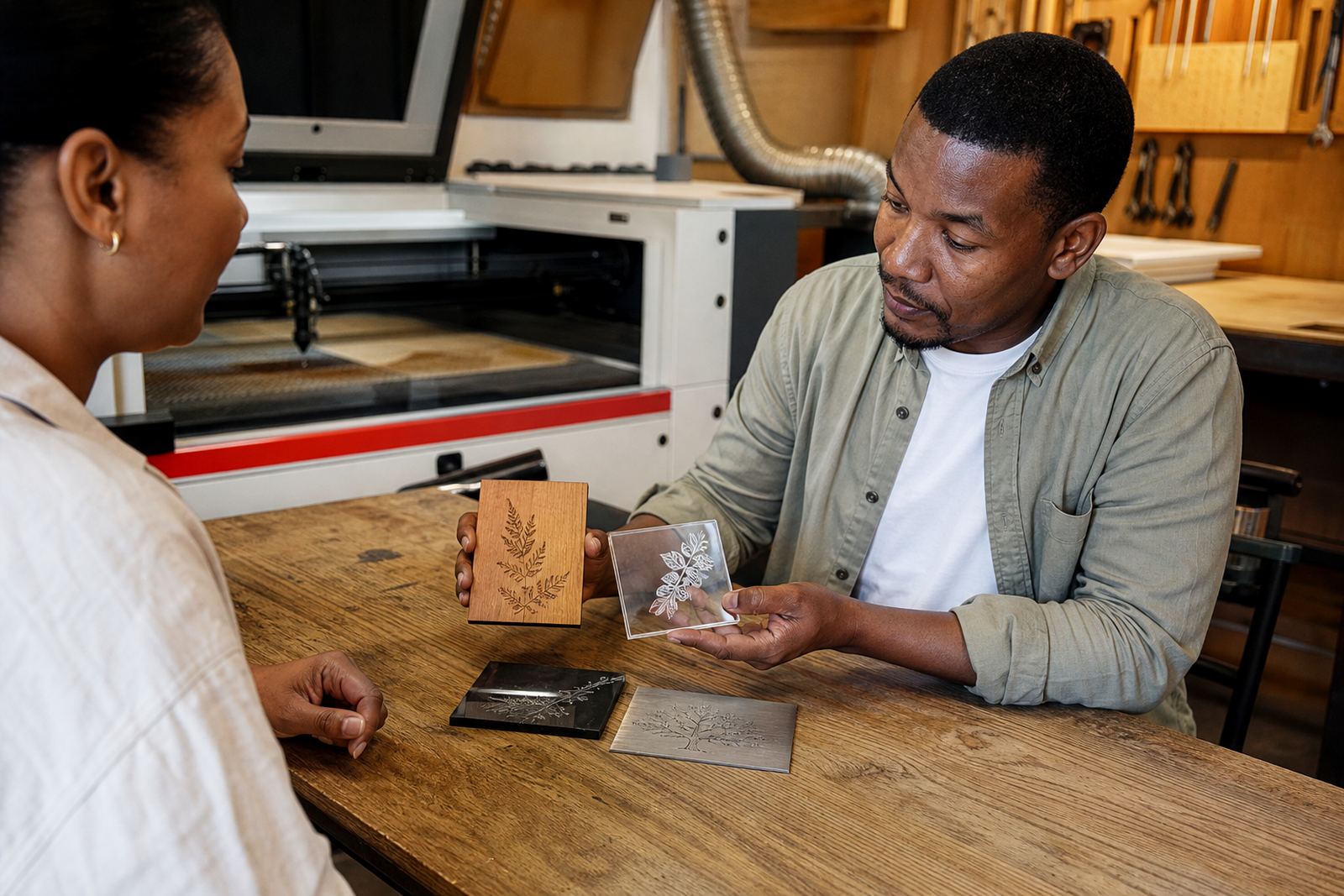
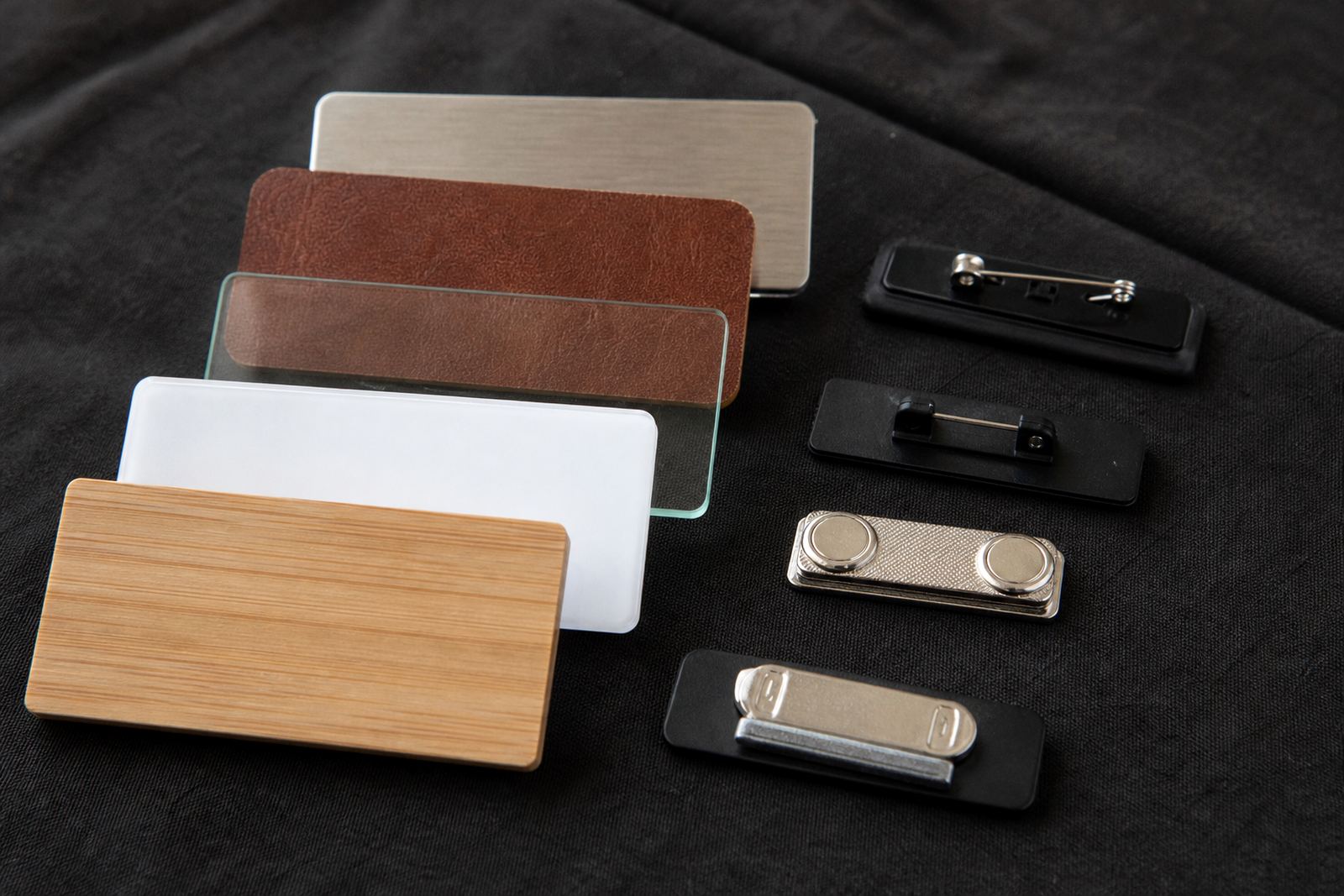
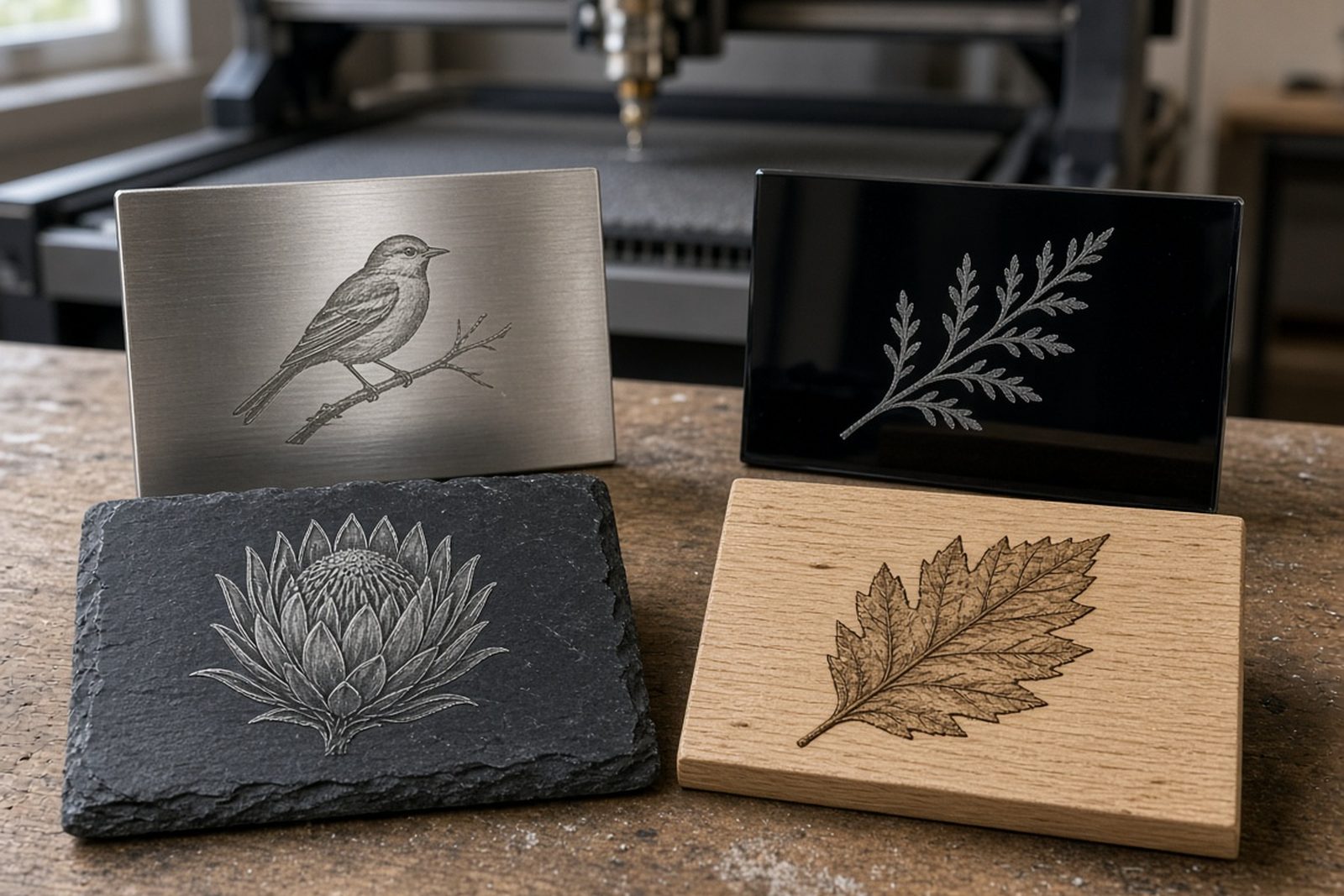
Material choice matters in Gauteng heat, summer rain and the dust that collects around gates and boundary walls. For a crisp engraved finish, laser engraving works well on wood, acrylic, glass, leather and metal, but each material behaves differently. A plaque fixed in a shaded courtyard has different needs from one on a sunny north-facing wall or near the coast where humidity can affect finishes.
Wood gives a warm, traditional look and suits family names, farm style homes and cottage entries. Acrylic is neat and practical for modern homes, while glass can look refined when used carefully in sheltered areas. Metal is a strong choice for outdoor use, especially where you want a lasting house number that holds up well to weather and everyday cleaning. Leather is less common for outdoor plaques, but works for keepsake pieces, indoor name signs and gift items.
- Wood: suitable for covered entrances and decorative name plaques.
- Acrylic: good for clean lines, modern fonts and layered signage.
- Glass: best for sheltered areas where the plaque will not take knocks.
- Metal: useful for outdoor durability and high-contrast numbering.
- Leather: better for indoor keepsakes or personalised gift plaques.
Get the size and layout right first time
Good house plaques are easy to read without looking crowded. Start by deciding how many lines you need. A simple number only plaque can be compact, but if you want a family name, street number and perhaps a unit or erf reference, the layout must be balanced. In Wapadrand, Pretoria East and surrounding areas, many homeowners prefer a larger number for the gate and a smaller name plaque at the door.
Spacing is important. Too many words on a small plaque will make the lettering thin and harder to read from a distance. The same applies to decorative fonts, which can look attractive on screen but lose clarity when engraved. A practical layout keeps enough empty space around the text, with the number slightly larger than the name if the plaque is meant to guide visitors.
- Use a short wording version where possible.
- Keep the main number larger than the rest of the text.
- Allow margin space around the edges for a cleaner finish.
- Choose a font that stays clear at the actual plaque size.
Pick lettering and contrast that can be read quickly
Readability is the point of a house plaque, so the lettering should work in bright sun, late afternoon shade and after load-shedding when outside lighting may be limited. Light and dark contrast makes a big difference. Black on pale material, white on dark material or engraved text that exposes a contrasting layer all help the eye pick up the details faster.
Simple fonts usually work best for house numbers and names. Script styles may suit a gift plaque, but for street-facing use a clean sans serif or straightforward serif is often easier to read. If your home has a long driveway or a wall set back from the road, clarity should come before ornament. The plaque should still look good up close, but it must do its job from a moving car or at night with a torch.
Keep these checks in mind:
- Can the number be read in under two seconds from the road?
- Does the font remain clear when reduced to the planned size?
- Will the engraving show well against the chosen background colour?
- Is the plaque still legible if the area is dusty or a bit wet?
Plan the fixing method and placement carefully
The best plaque can fail if it is mounted badly. Decide whether it will be screwed to brick, fixed to wood, attached to a gate or mounted on a post. In Pretoria and Centurion, many homes use walls and gate pillars, while some properties in Johannesburg and Midrand rely on boundary fences or shared entrances. The fixing method should suit the surface and the weather exposure.
For outdoor plaques, consider ventilation, water run-off and whether the surface gets direct sun. A plaque on a hot metal gate may need different mounting from one on a shaded wall. If you are placing the plaque near an electric gate, intercom or security sensor, leave enough clearance for maintenance and future access.
- Confirm the mounting surface before production starts.
- Leave space for screws, stand-offs or adhesive fixing where needed.
- Check that the plaque will not block locks, lights or cameras.
- Keep the final position visible from the street and from the front door.
What to check before ordering a house plaque
A smooth order starts with the right information. Have your exact wording ready, along with any spelling you want kept as supplied. If you need a logo, house emblem or monogram, make sure the file is clear enough for artwork setup. Where the original file is not suitable, logo redraw, file conversion and layout planning can help produce a cleaner engraving result. Reorder matching is also useful if you need the same plaque again for a side entrance or a new property.
It helps to think through the full use of the plaque before approving the proof. If it is for a new build in Gauteng or a renovation in Durban, ask whether you need one plaque for the driveway, another for the door and a matching piece for the side gate. Batch personalisation can also be useful if the same style will be used for multiple units or family members.
- Exact text, including spacing, initials and capital letters.
- Preferred material and finish.
- Approximate size and where it will be mounted.
- Any logo, emblem or special symbol to include.
- Need for packaging prep if the plaque is being couriered.
A simple checklist before proof approval
Before approving the final layout, take one last careful look. Small details are easier to correct at the proof stage than after production. Make sure the house number is correct, the name is spelled properly and the spacing matches the intended look. If the plaque will be delivered to another city, such as Johannesburg or Durban, confirm the address and packaging requirements as well.
This final check is worth the extra minute. A well planned plaque gives a home a tidy first impression and makes the address easier to find every day. From a neat front gate sign in Pretoria East to a courier friendly number plaque in Midrand, the aim is the same: clear, durable identification that suits the property and the people using it.
- Text checked line by line.
- Size, font and material confirmed.
- Mounting position measured and agreed.
- Proof reviewed before production starts.
- Delivery or collection details confirmed through the enquiry form.