Start With The Job The Badge Must Do
A name badge for a reception counter is not the same as one worn on a factory floor, in a retail store or at a trade show. Before you choose the material or finish, decide whether the badge must help with identification, branding, access control or a mix of all three.
From our Wapadrand workshop in Pretoria East, we produce badges for staff teams, events and product marking in Pretoria, Johannesburg, Centurion, Midrand and Durban. For day-to-day wear, a badge should stay readable from a short distance, sit flat against clothing and survive regular handling.
- Check where the badge will be worn: shirt, jacket, apron or lanyard
- Decide if it must match a corporate uniform or be easy to replace
- Choose whether the badge is for daily use or occasional events
- Consider whether the badge needs a logo, job title or both
Choosing The Right Badge Size
Badge size affects legibility and comfort. A very small badge may save space, but if the name is hard to read it loses its purpose. A badge that is too large can catch on sleeves, bags or machinery and become uncomfortable during a long shift.
For most staff use, the badge needs enough room for a name, surname and role without crowding. If a logo is included, keep it clean and simple so the text still stands out. The right layout usually comes down to the amount of text, the chosen font and the viewing distance.
- Short names can work on smaller badges
- Long names or multiple titles need more width
- Large logos reduce space for readable text
- Higher contrast between text and background improves visibility
We can assist with size planning, layout planning and font selection so the badge reads clearly and looks balanced. If you need repeated badges for a team, batch personalisation and reorder matching help keep each piece consistent.
Fasteners That Suit Real Working Conditions
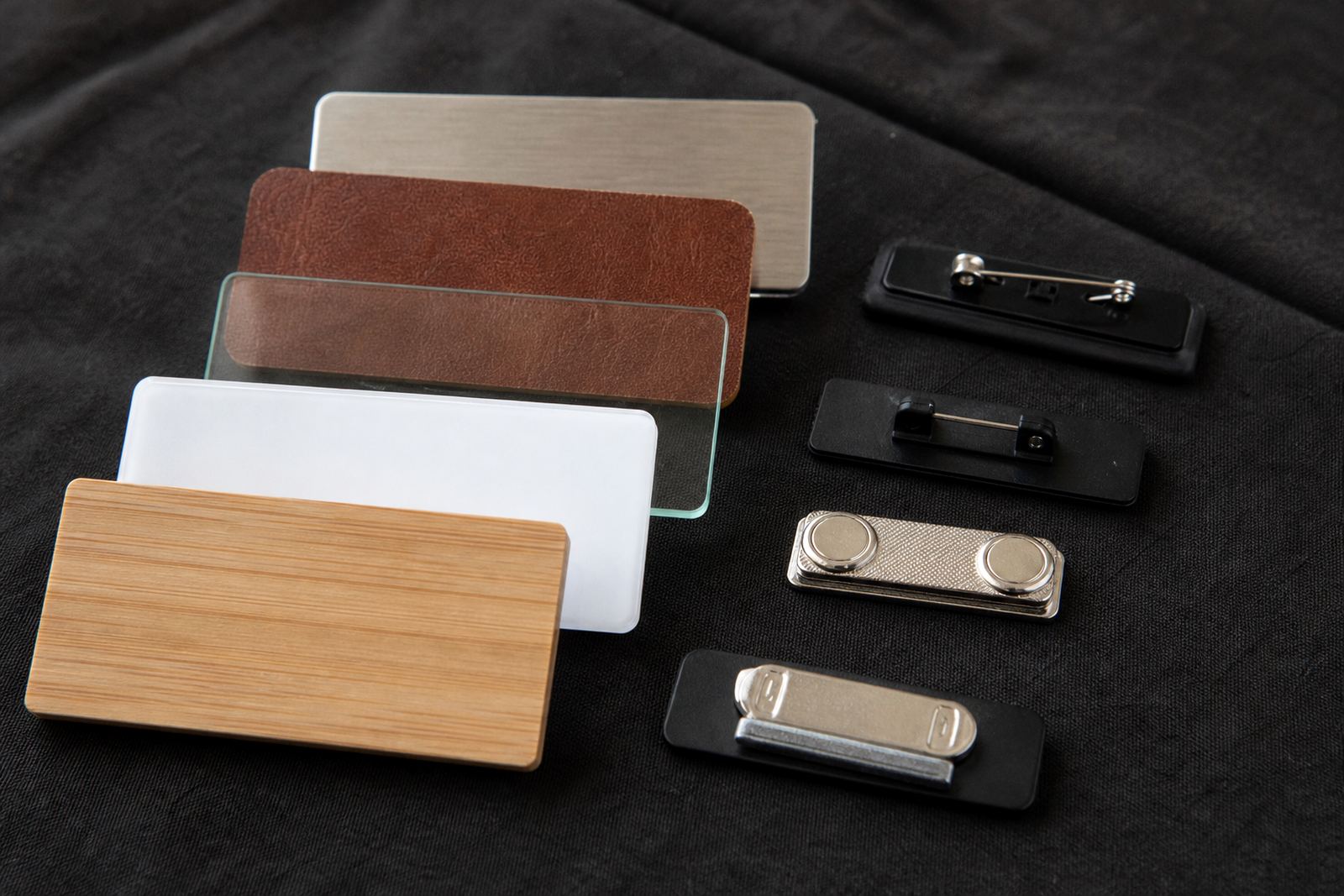
The fastening method should suit the garment and the work environment. A pin back is simple and familiar, but it can leave small holes in delicate fabric. A magnetic fastener avoids piercing clothing, which is useful for shirts, knitwear and formal uniforms, although it may not suit every fabric thickness.
For lanyards, clip or slot-style options can work better when the badge must be visible for access or daily visitor control. In busy environments, the attachment should stay secure through bending, moving and regular washing of uniforms. Where people move between air-conditioned offices and warm outdoor areas, comfort matters as much as grip.
- Pin fasteners suit heavier garments and basic uniforms
- Magnetic backs help protect fine fabric
- Lanyard-ready formats are useful for visitor and event use
- Always test the badge on the actual garment before full production
Material Choices For Indoor And Outdoor Wear
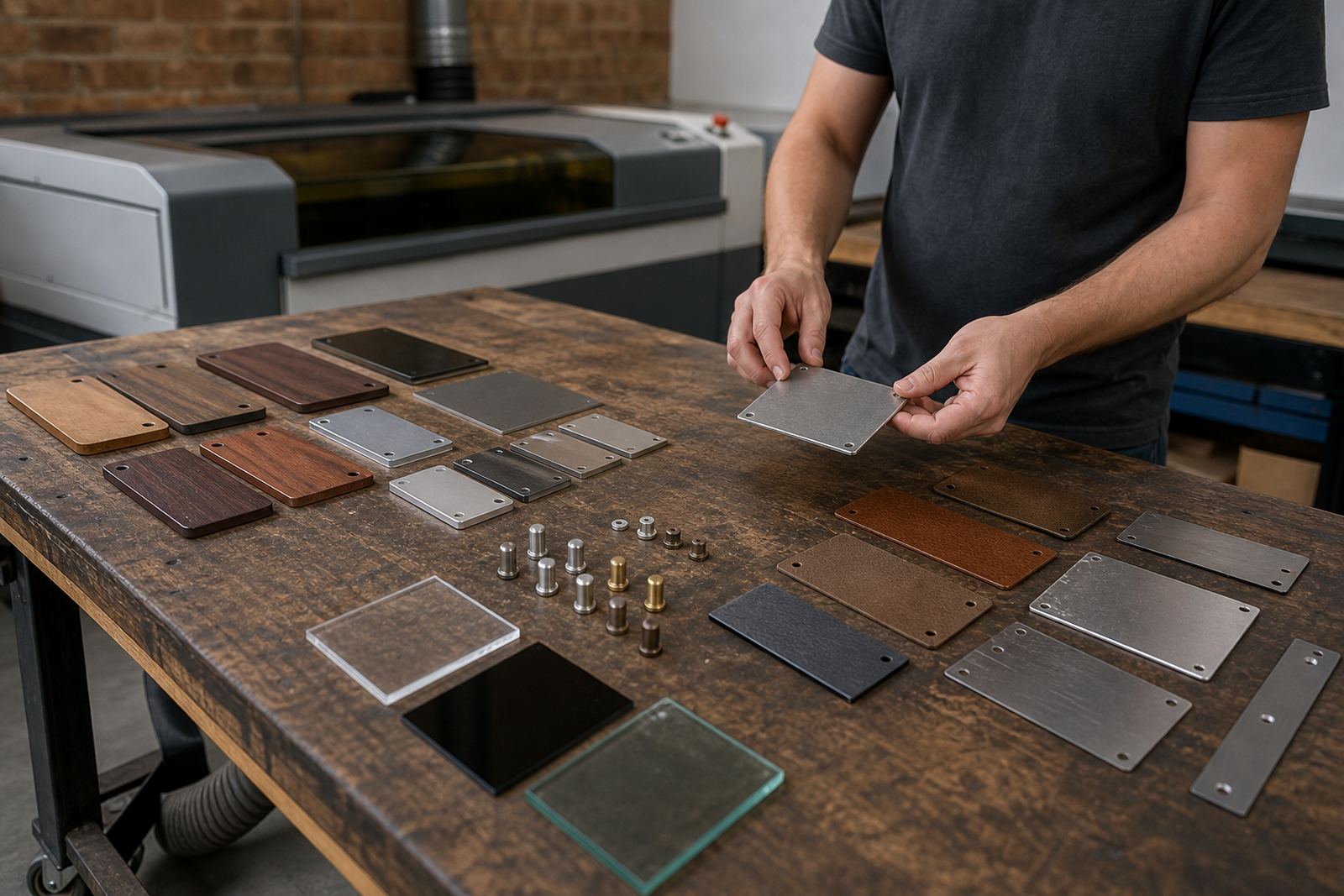
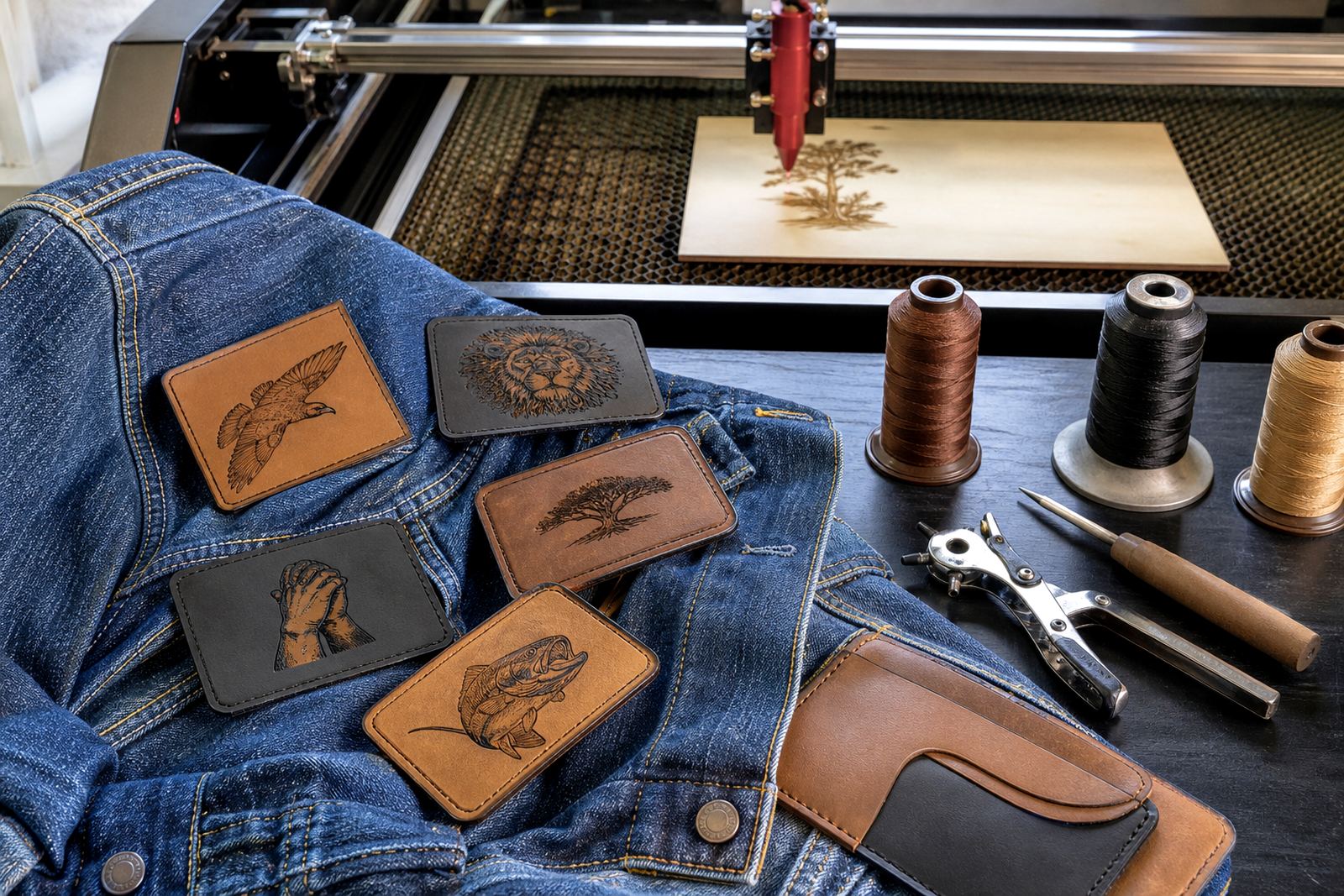
Laser engraving works well on a range of materials. For name badges, acrylic is often used for crisp contrast and neat layering. Metal gives a clean, professional look and stands up well to regular wear. Wood can suit a more natural or handcrafted style, while leather offers a softer, premium feel for selected applications. Glass is better suited to gifts and display pieces than daily clothing use, although it can be engraved for special presentation items.
For outdoor exposure or daily handling, think about moisture, sun and cleaning methods. Coastal humidity in Durban can affect some finishes over time, while dusty or high-touch environments in Gauteng call for materials that are easy to wipe clean. For kitchen, workshop or site use, material choice should also consider safety and durability.
- Acrylic: neat, readable and suitable for many staff badges
- Metal: strong and professional for frequent use
- Wood: suitable for natural or rustic presentation styles
- Leather: best for special items and selected branding work
Artwork, Naming And Proof Approval
Good badge results begin with clean artwork and accurate text. If the logo is unclear, small or supplied in the wrong format, it may need logo redraw or file conversion before engraving. Font selection also matters. Some fonts look stylish on screen but become difficult to read once reduced to badge size.
We recommend checking every spelling detail, name order and job title before approval. If the badge is for a group, make sure the naming format is consistent from one person to the next. Proof approval gives you the chance to confirm line breaks, logo placement and size before production starts.
- Send clear names exactly as they must appear
- Keep titles short where possible
- Use one naming format across the full order
- Confirm logo position, spacing and badge orientation
Caring For Badges Day To Day
A well-made badge should still be handled with care. Wipe engraved badges with a soft cloth and mild cleaner when needed, then dry them properly before storage. Avoid harsh scrubbing, strong solvents or rough cloths that can mark the surface or reduce clarity over time. If badges are clipped to clothing every day, check that the fastener still closes firmly and that the back plate has not loosened.
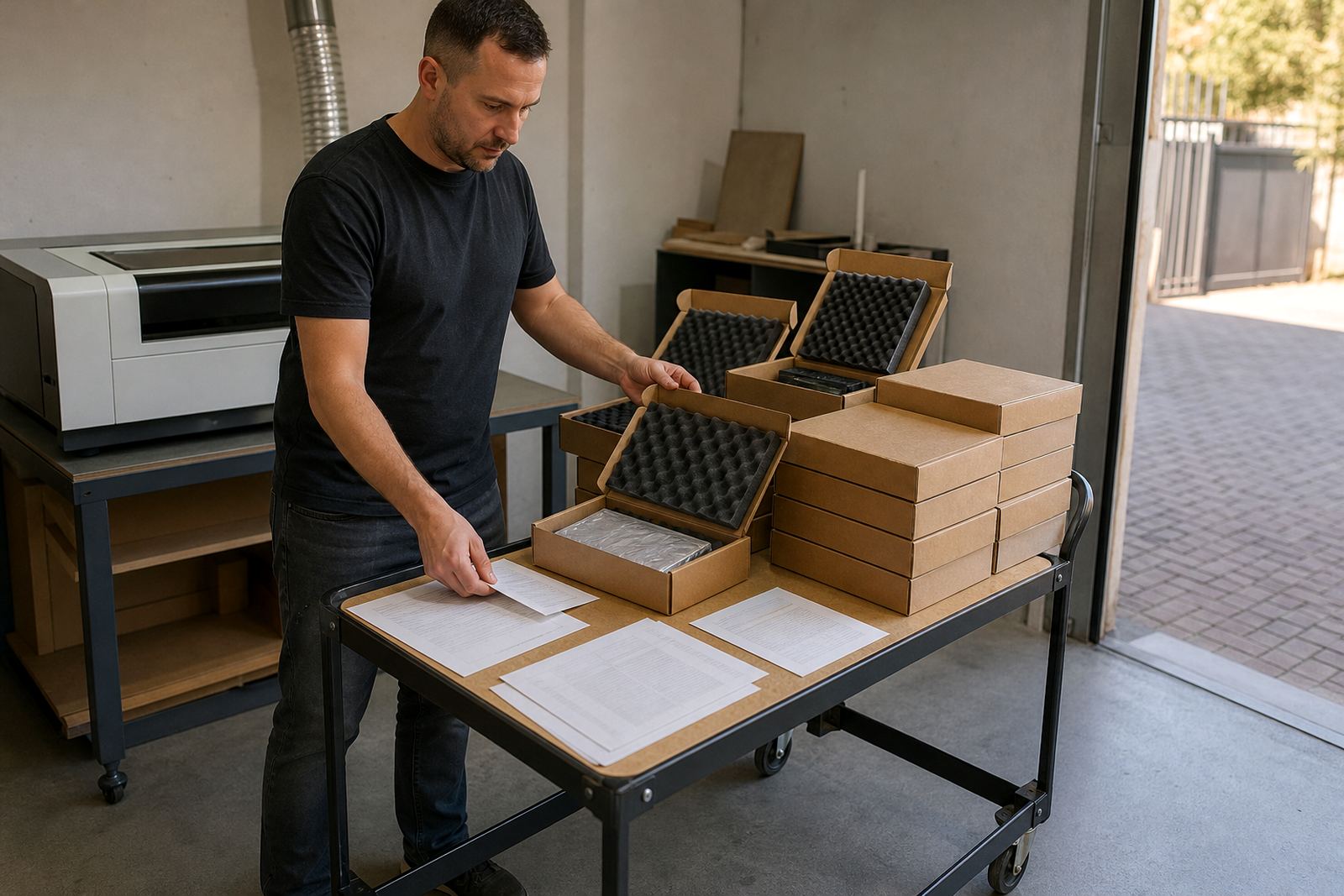
For teams that need regular replacement or added names later, packaging prep and reorder matching help keep the new badges consistent with the original order. This matters when a business wants the same look across branches in Pretoria East, Pretoria, Centurion, Midrand, Johannesburg or Durban.
- Store spare badges flat and away from heavy items
- Keep a record of the approved layout for future reorders
- Check fasteners before events and before shift changes
- Replace worn badges before they become hard to read
Quick Checklist Before You Place An Order
Use this final check before submitting an enquiry through our contact page. The more detail you supply, the smoother the setup becomes and the easier it is to match the badge to the intended use.
- Who will wear the badge and where
- Preferred size or any size limits
- Choice of fastening method
- Material preference if already decided
- Names, titles and logo files
- Any colour, contrast or branding requirements
- Whether you need mounting options or packaging prep
Our workshop in Wapadrand, Pretoria East, supplies Gauteng and the rest of South Africa with courier delivery. If you are not sure where to start, we can help with artwork setup, material guidance, size planning and proof approval so the finished badge suits the work and holds up in daily use.