
What a serial plate must do on site
A serial plate is there to identify an item quickly and accurately. It may carry a serial number, model code, asset number, voltage, barcode, safety note or a mix of all of these. On a factory floor, in a workshop or at a warehouse loading bay, the plate must stay readable even with dust, cleaning chemicals and regular handling.
In Pretoria East and across Gauteng, plates are often used on products, plant equipment, storage systems and customer-facing items that need a clean, professional finish. The best plate is one that is simple to read at arm's length and still holds up when someone is standing next to the machine.
Choosing the right material for the job
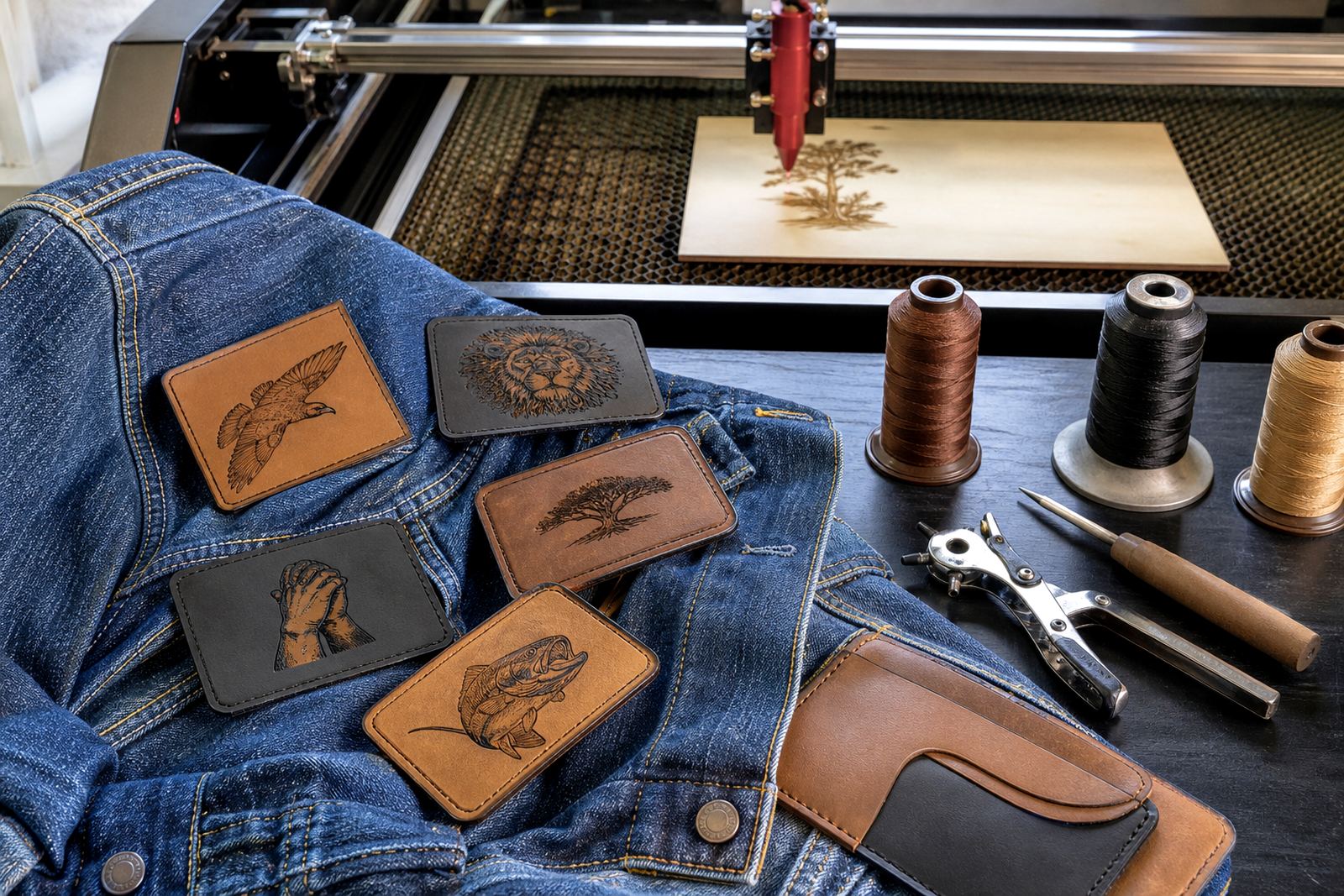
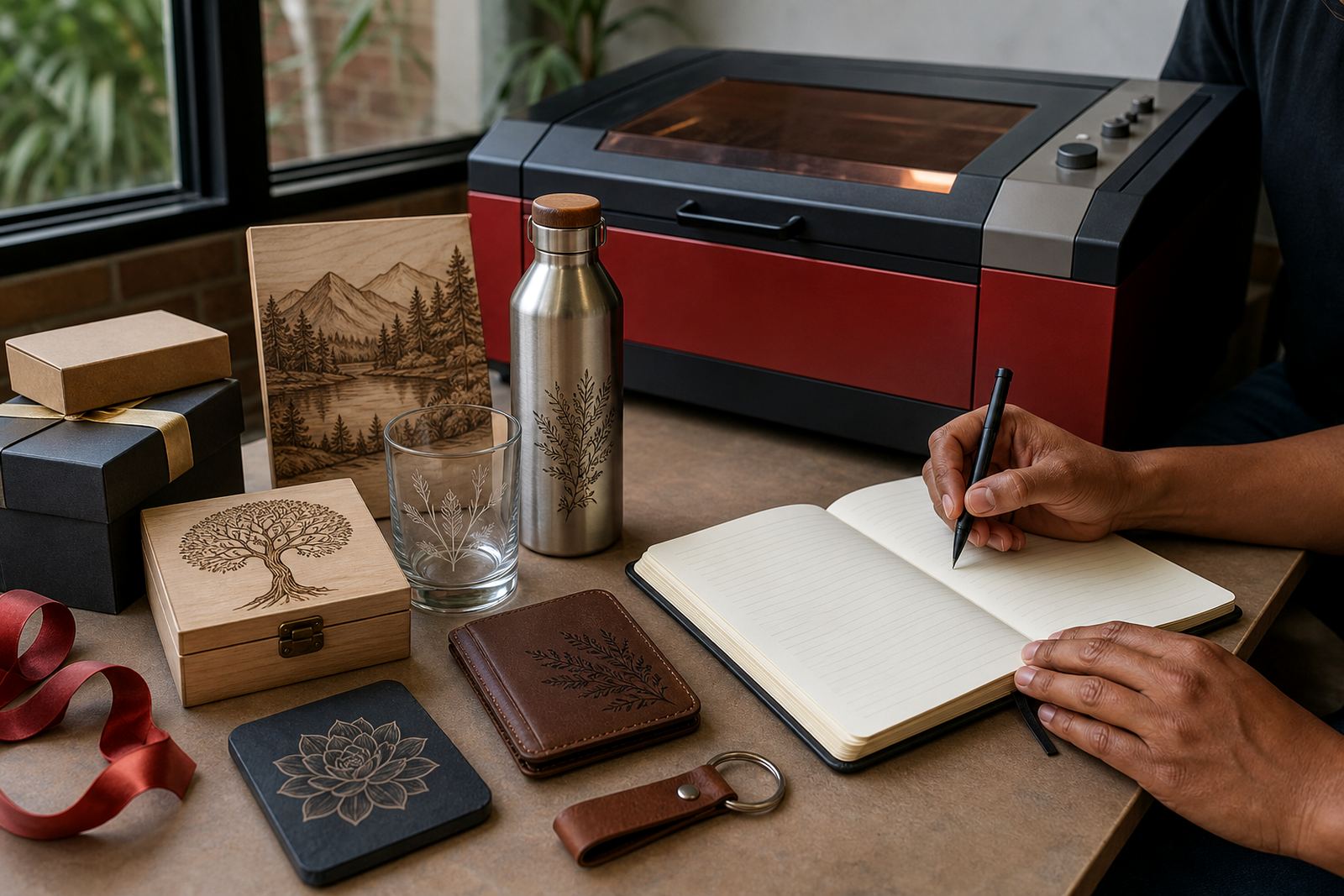
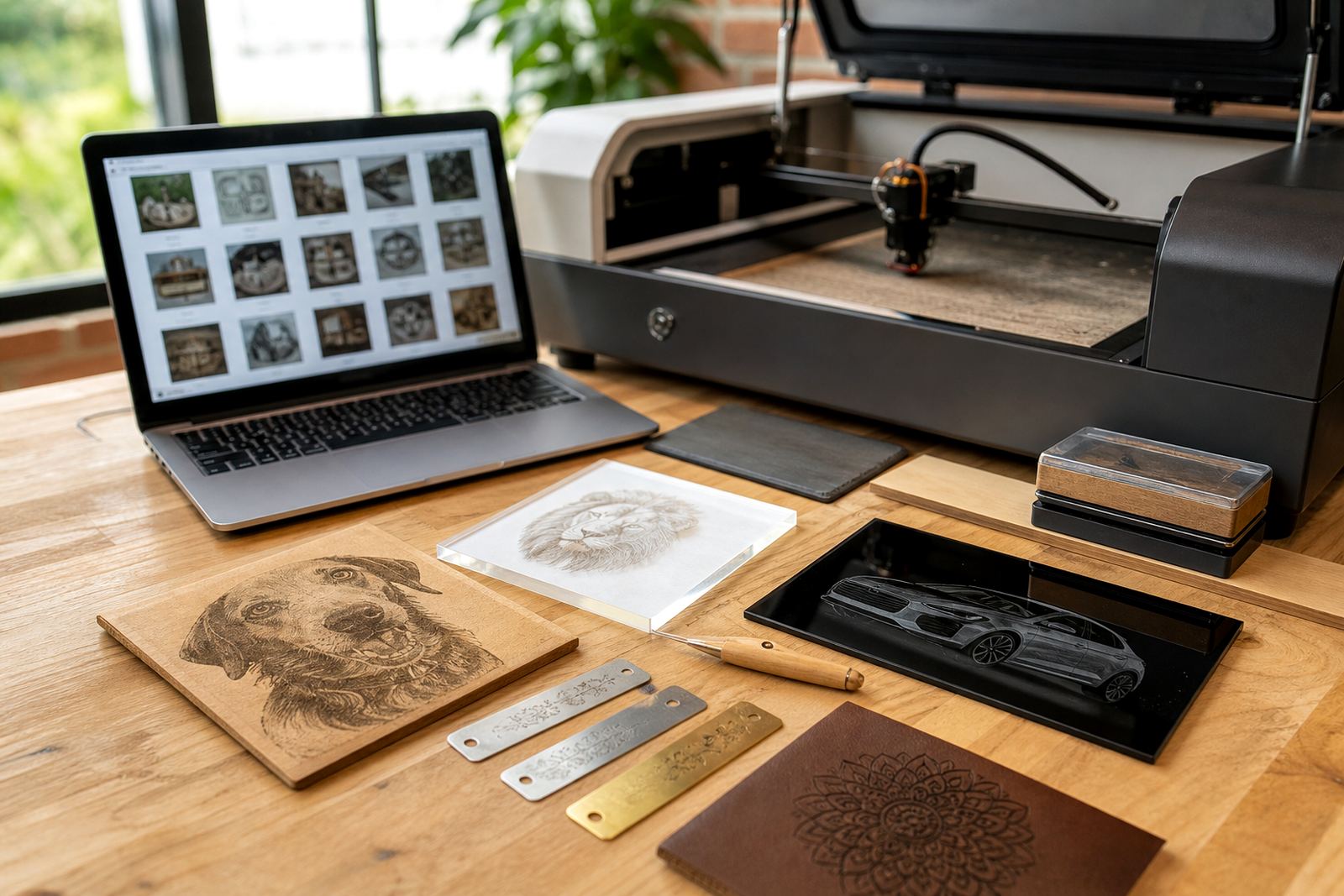
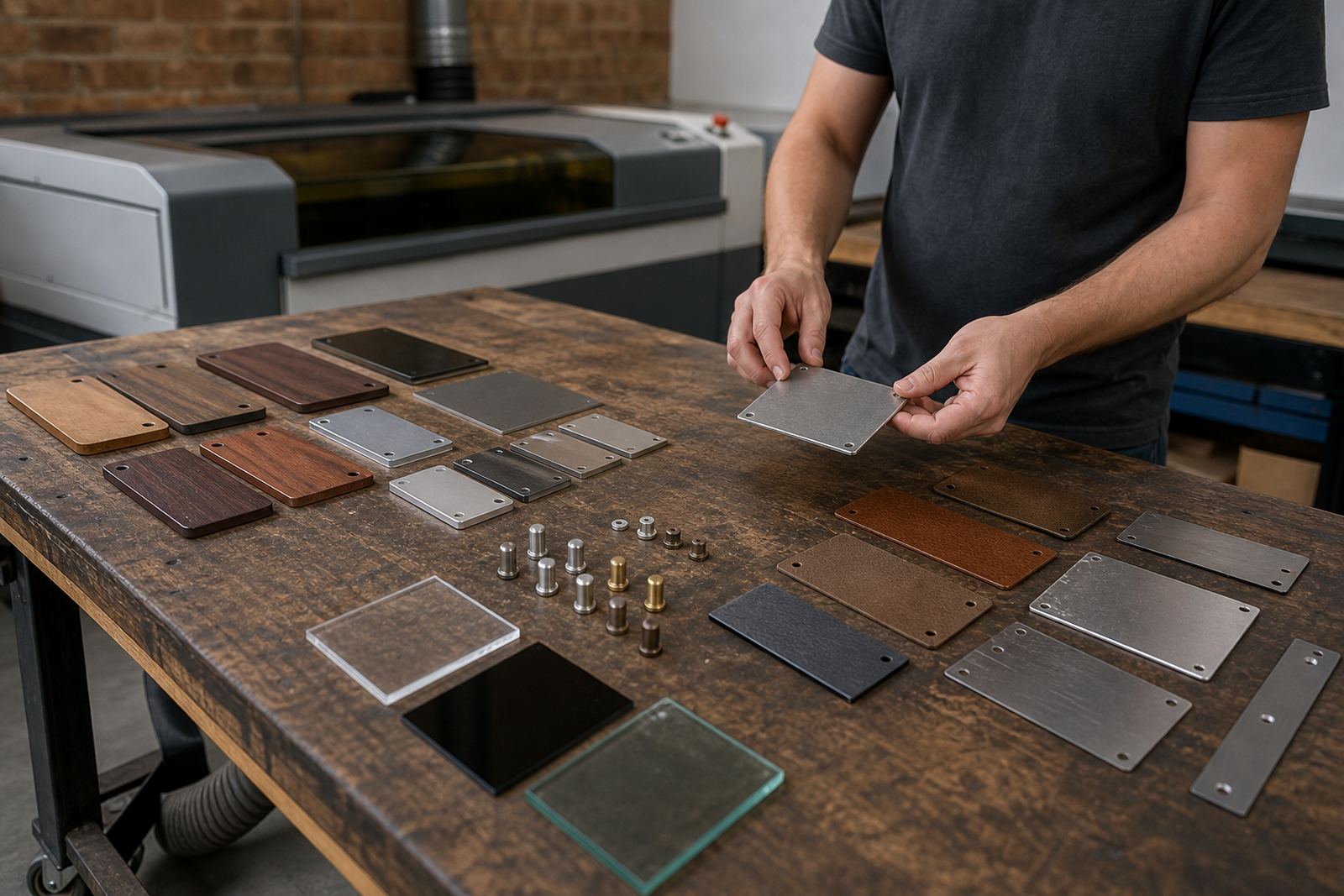
Laser engraving works well on a range of materials, but each one behaves differently. For serial plates, the right choice depends on where the plate will be mounted and what it will face day to day. Wood can suit presentation pieces and indoor labelling. Acrylic gives a neat, modern look for indoor signage and identification. Glass is used more for decorative or special-purpose marking. Leather is usually for gifts, tags and soft goods. Metal is the preferred option for most asset and serial identification because it can handle tougher conditions.
- Aluminium: light, tidy and suitable for many indoor and sheltered outdoor applications.
- Stainless steel: suited to harsher conditions, frequent handling and cleaner industrial finishes.
- Anodised aluminium: good contrast for clear text and numbering.
- Acrylic: useful where appearance matters and the plate is not exposed to rough wear.
- Brass-look or coated metals: used where a traditional or premium appearance is wanted.
If the plate will go outdoors in Johannesburg summer sun or Durban coastal air, metal is usually the safer choice. Ask for material guidance before artwork is finalised, because the base material affects line thickness, contrast and the smallest readable text size.
Layout checks before the plate is engraved
A serial plate often carries more information than people first expect. The layout must make room for the main identifier, supporting text and any legal or technical notes without feeling cramped. Good layout planning keeps the plate legible and reduces errors during production.
- Confirm the exact serial number format, including letters, hyphens and leading zeros.
- Decide what must be fixed in place and what may change from one plate to the next.
- Choose a font that stays clear at small sizes, especially for long numbers.
- Check whether the plate needs a logo, barcode, QR code or simple text only.
- Allow enough margin around the edge so mounting holes or adhesive do not cover key details.
For batch jobs, it is worth checking one sample line very carefully before the full run starts. If the plate has to match existing items, send a clear reference so the size, spacing and finish can be matched closely.
Fixing methods that suit the environment
How the plate is attached matters just as much as how it is engraved. A plate that looks neat on the bench can fail early if the fixing method does not suit the surface. On painted panels, smooth metal, powder-coated boxes or curved equipment, the best fixing option depends on vibration, temperature and access for cleaning.
Common fixing options include adhesive backing, screw holes, rivets and mounting frames. Adhesive is handy for smooth indoor surfaces and lighter items. Screws and rivets suit permanent installation on equipment or cabinets. For removable or serviceable items, allow enough space so the plate can be replaced later without damaging the surface.
- Check the mounting surface for dust, oil or moisture before fitting.
- Allow for vibration on pumps, tools and moving equipment.
- Use rust-resistant fixings where humidity or weather exposure is expected.
- Keep the plate clear of hot zones and places where it may be scraped.
- For outdoor use, confirm that both plate and fixings can handle the same conditions.
What to send for a clean proof
Clear source information makes the proof stage easier. A serial plate may be simple, but the smallest detail matters because the plate is often used for identification, audit records or compliance checks. When you submit a request, make sure the file or text list is complete before production starts.
Useful items to send include the exact wording, sequence list, plate size, material choice, fixing method and any brand or asset marking that must appear. If the plate needs to fit into an existing cut-out or product recess, include the measurements in millimetres. For batches, note whether every plate is identical or whether each one carries a unique number. File conversion, logo redraw and proof approval are often part of the setup process, especially where old artwork needs cleaning up.
Our Wapadrand workshop in Pretoria East manages artwork setup, material guidance, size planning and reorder matching for repeat jobs. Clients in Pretoria, Centurion, Midrand, Johannesburg and Durban can arrange courier delivery across South Africa, which is useful when a batch needs to go straight to site or into stock.
A simple buyer checklist for serial plates
Before you place the order, run through a quick checklist. It saves time and helps avoid rework, especially when plates are being fitted to multiple items or sent to different branches.
- Is the serial format correct and consistent across all items?
- Is the plate size suitable for the space available?
- Will the material suit indoor, outdoor or coastal use?
- Is the text large enough to read after installation?
- Have you chosen the right fixing method for the surface?
- Do you need batch personalisation or matching to a previous order?
- Has the proof been checked by the right person before approval?
If the answer to any of these is uncertain, pause and confirm it before production. A serial plate is a small item, but it carries important information and should be treated as part of the asset record, not just a label.