1. Confirm the item details before the parcel leaves Wapadrand
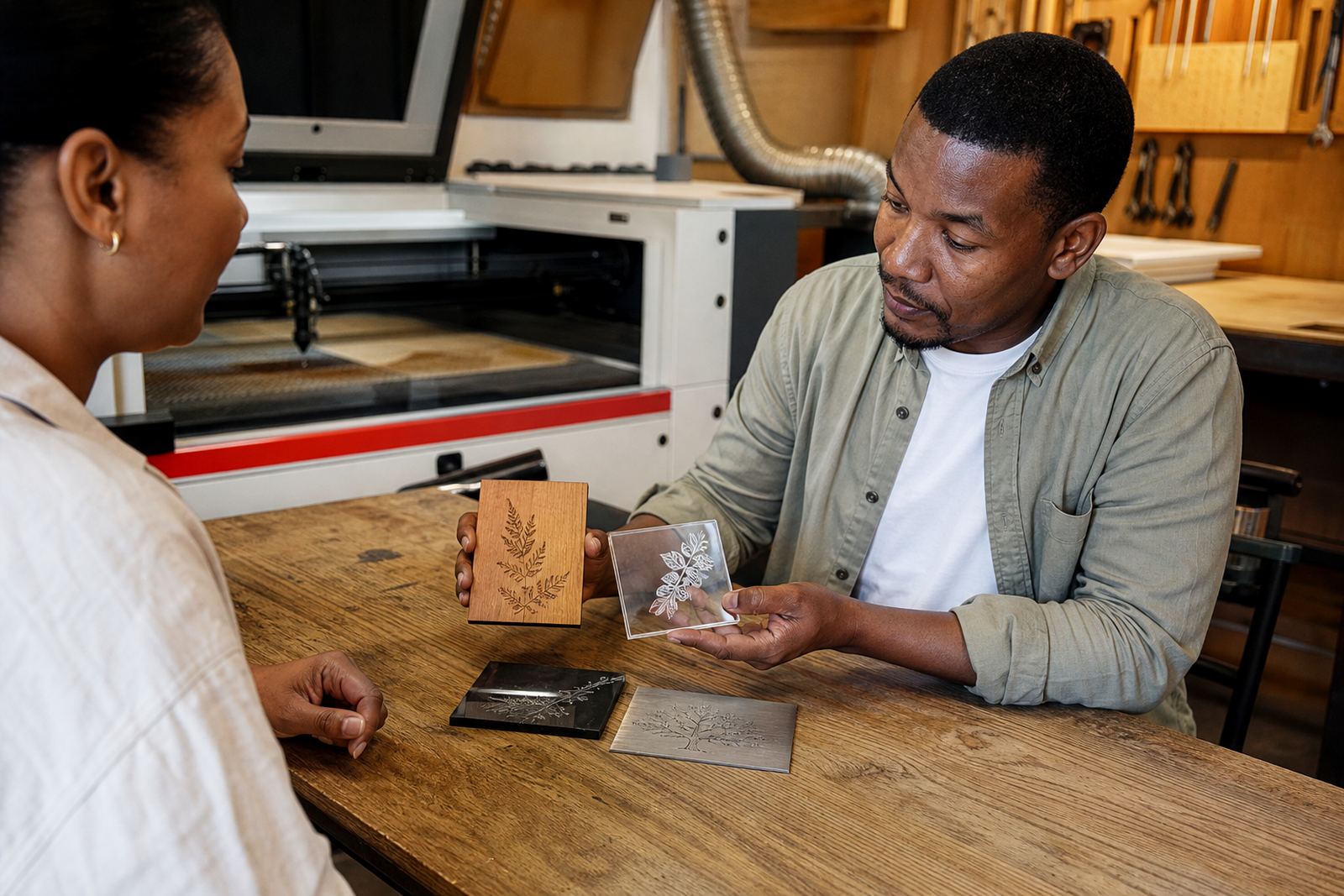
Before anything is packed, make sure the engraving details are final. That includes the exact wording, spelling, dates, logo placement, size, material and finish. Once a piece is engraved, changes are not usually possible without remaking the item, so this is the stage to check every line carefully.
If the order includes more than one item, label each piece clearly. Batch personalisation is easier to manage when the buyer knows which names go with which pieces, and when the courier label matches the packing list. For courier delivery across South Africa, clear item naming helps on the receiving side too, especially for offices, event planners and resellers who may be unpacking several boxes at once.
- Check spelling, punctuation and capital letters
- Confirm the exact size of each sign or gift item
- Approve the final layout before production starts
- Separate personalised items from generic stock
- Keep a copy of the approved artwork and order notes
2. Choose the right material for travel and handling
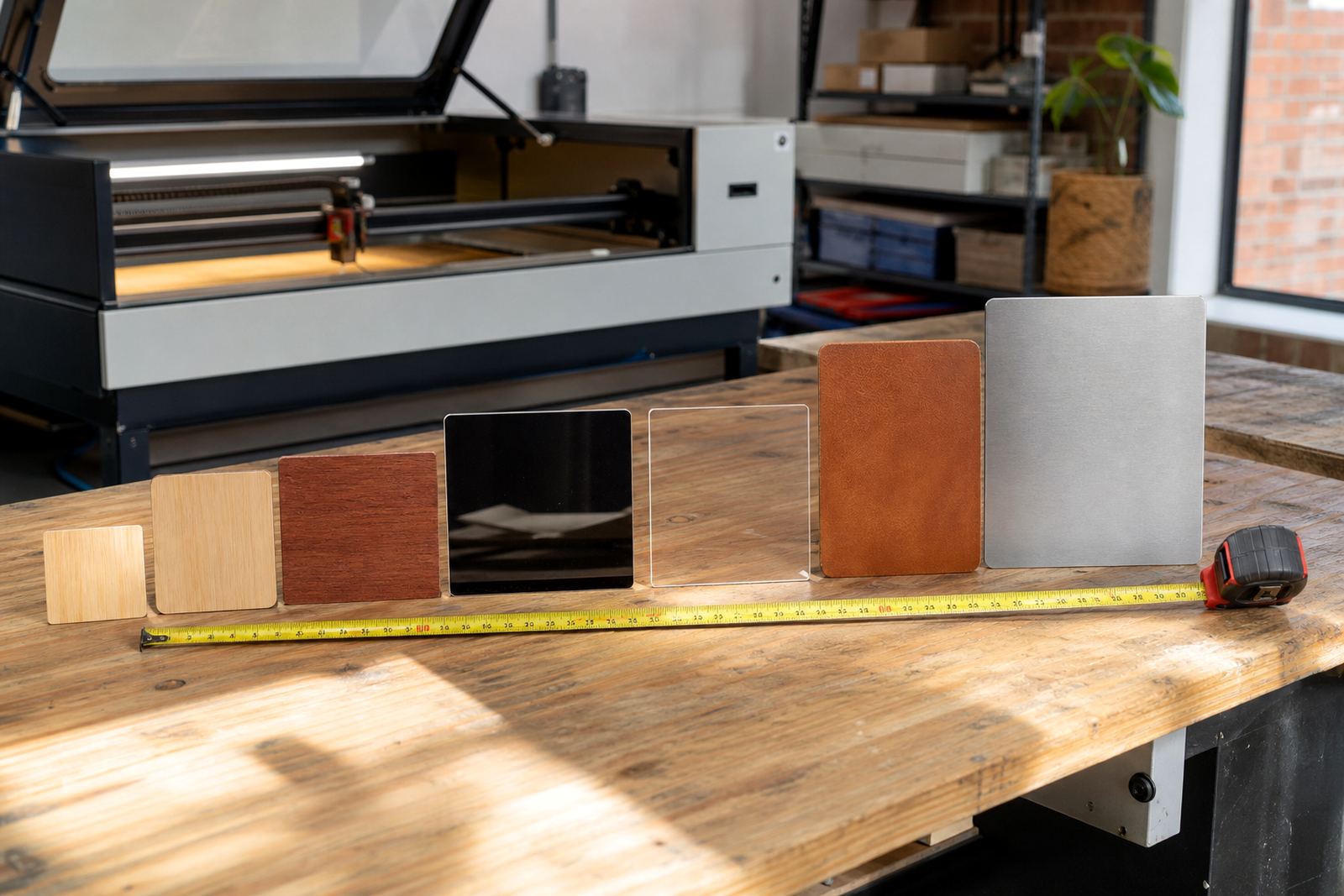
Some materials travel better than others. Acrylic is light and neat for signs, but it can scratch if loose items rub against it. Glass looks smart for awards, corporate gifts and decorative pieces, but it needs careful cushioning because one knock can chip an edge. Wood is generally forgiving, although sharp corners and varnished surfaces still need protection. Leather products must be packed so they do not crease under pressure. Metal pieces are often durable, but brushed or coated finishes can mark if they move around in the box.
For coastal deliveries, humidity can affect packaging if the parcel sits for long periods in storage or a hot vehicle. In Durban and other humid areas, it helps to use clean inner wrap and a strong outer box so the item does not pick up moisture.
- Acrylic: wrap face and edges separately
- Glass: use foam, bubble wrap and rigid box separators
- Wood: protect corners and any stained or varnished areas
- Leather: keep flat and avoid tight straps or folds
- Metal: stop movement inside the box with filler or inserts
3. Pack for courier handling, not just for storage
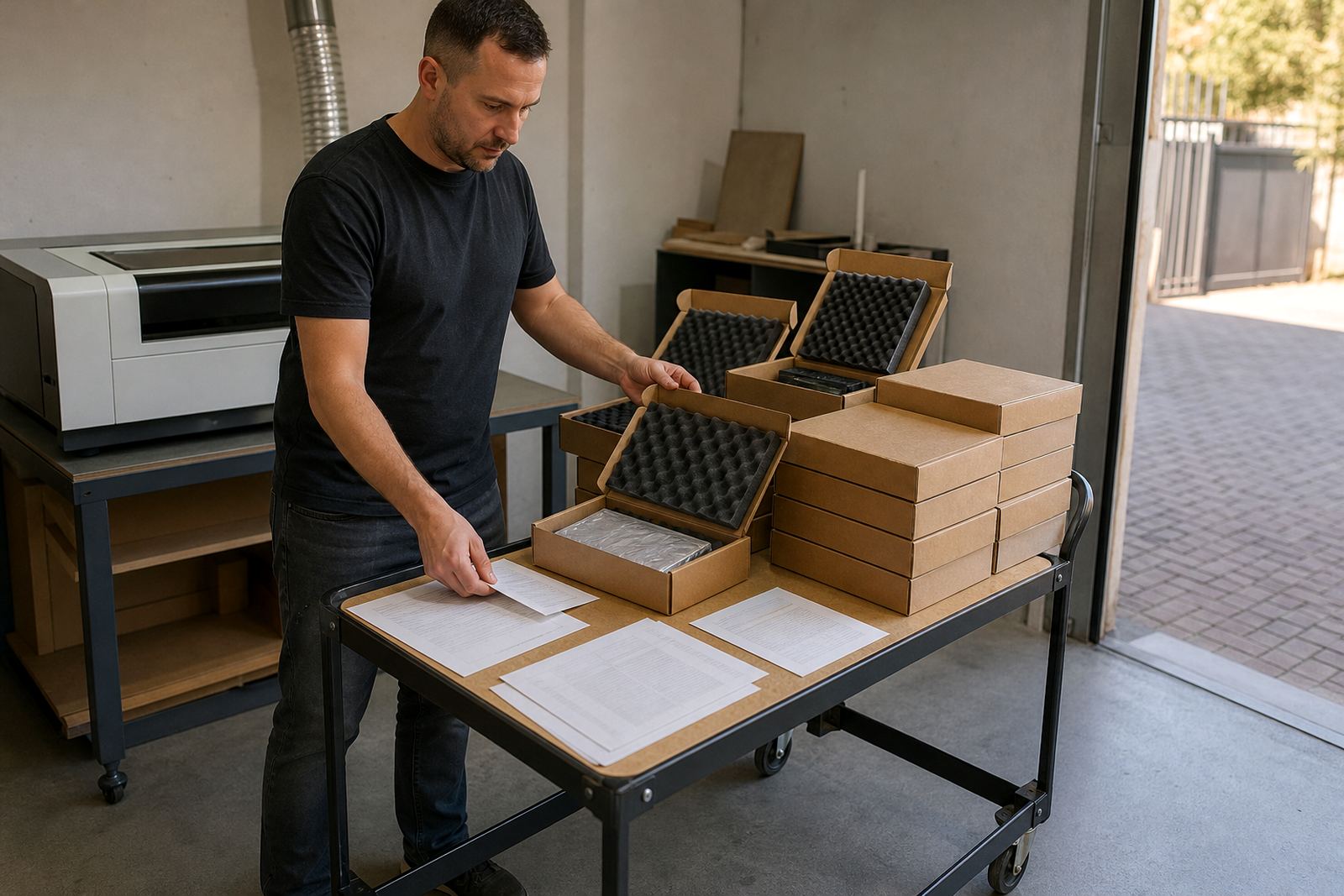
A parcel can move through several hands before it reaches the buyer, so packing should be based on courier handling rather than simple storage. Use a box that is slightly larger than the item to allow protective material on all sides. If the order includes multiple engraved pieces, separate them so they do not rub together. For a sign, keep mounting hardware in a sealed bag and tape it to the underside or place it in a marked inner compartment.
It is also wise to protect corners and edges. Many signs are damaged at the corners first, and engraved gifts can chip where the courier grip is tightest. If the item is being sent to a site with municipal access rules, security gates or reception procedures, include that information with the delivery note so the driver does not waste time trying to find the correct drop off point.
- Use double wall boxes for heavier items
- Keep the engraved face away from the outer box wall
- Seal loose fittings in a small labelled pouch
- Mark the parcel as fragile where needed
- Include a packing slip inside the box
4. Send the right information with the delivery
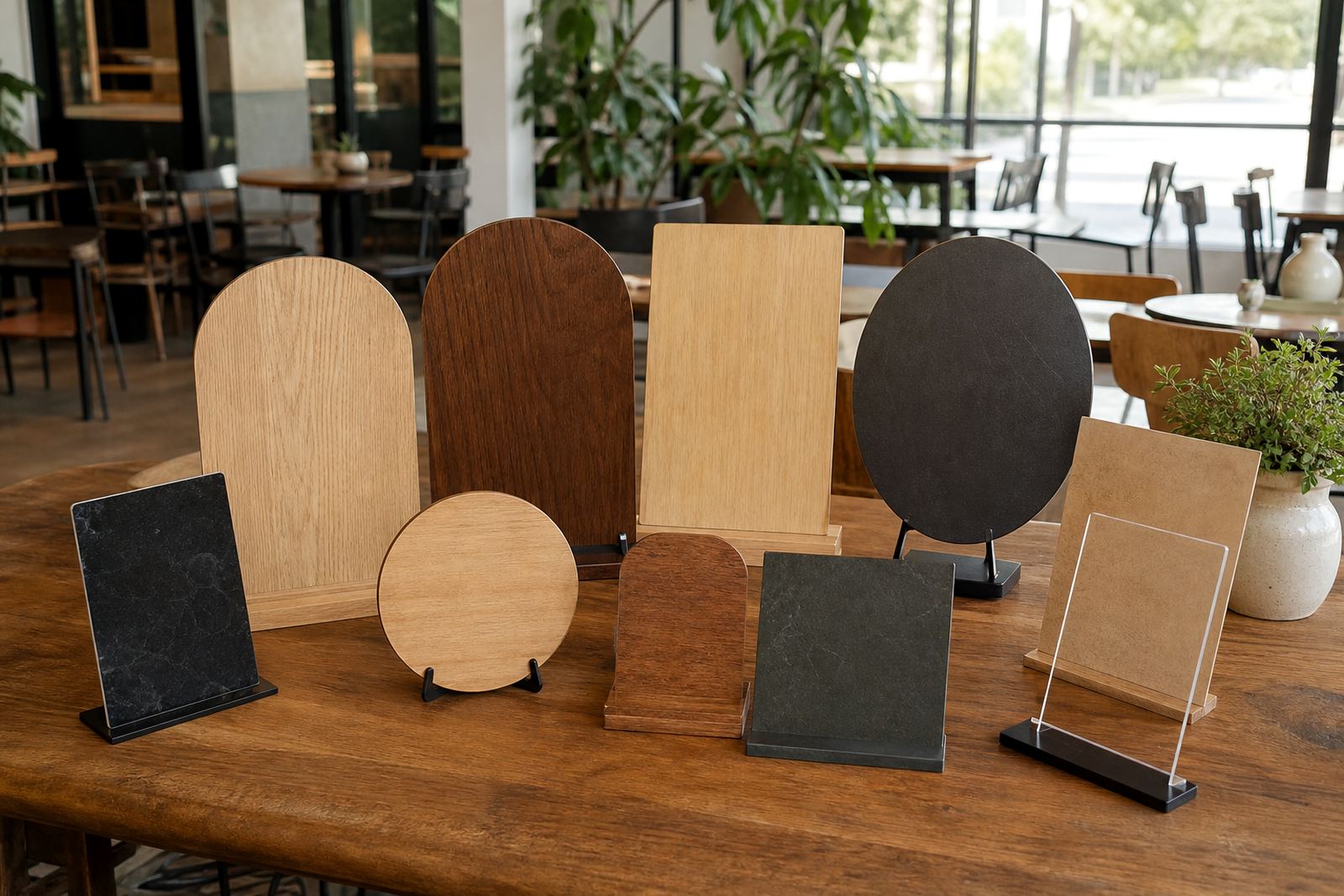
Courier delivery works best when the recipient knows exactly what to expect. Include the name of the item, the number of pieces and any special handling notes. If the order is for a storefront sign, the receiving person should know whether it is for wall mounting, countertop display or installation by a third party. If it is a gift or award, note whether the package should be opened in front of the recipient or kept sealed until the event.
Delivery details should be checked twice before dispatch. A correct street address is important, but so is the suburb, building name, unit number and contact person. In places like Pretoria East, Centurion and Midrand, one wrong entrance can delay a delivery. For Johannesburg and Durban, traffic and access control can also slow things down, so clear instructions save time and reduce back-and-forth calls.
- Recipient name and physical address
- Suburb, complex, suite or reception details
- Contact person for receiving the parcel
- Any opening hours or delivery restrictions
- Notes for after-hours, security or loading bay access
5. Check artwork, file conversion and approval notes
Good engraving depends on clean artwork. Logos, line drawings and text should be set up clearly before production, especially when a courier order has a fixed deadline for an event or launch. Low quality images can lose detail when reduced for small tags or product marking, while fonts that are too thin may not engrave cleanly on wood, acrylic or metal. If artwork needs redrawing, ask for that early so there is still time to approve the final version.
It helps to keep one approved version of every repeated order. Reorder matching is easier when the same wording, font and layout are kept on file. That matters for businesses that need consistent branding across branches in Pretoria, Johannesburg or elsewhere in South Africa. A clean approval trail also reduces mistakes when orders are repeated months later.
- Send clear artwork or high resolution source files
- Confirm all names, dates and reference numbers
- Approve a proof before production
- Keep a record of previous versions for repeat orders
- Tell us if the item must match an older piece exactly
6. Receiving, unpacking and what to do if something looks wrong
When the parcel arrives, unpack it carefully and check the contents before the courier leaves if possible. Look for cracks, scratches, bent corners or loose fittings. On acrylic and glass items, inspect the edges first. On metal and leather pieces, check for scuffs, pressure marks or shifts in alignment. If anything looks unusual, take photos straight away and keep the packaging until the issue is resolved.
It also helps to unpack on a clean surface with enough light. This is important for product marking and fine detail work, because small marks are easier to see when the item is laid flat. If the order will be installed later, store it in a dry place away from direct sun, moisture and dust. That is especially useful for signs and gifts being sent into offices, shops or homes across Gauteng and beyond.
- Open the box in a clean, well lit area
- Check the engraved face, corners and fittings
- Keep all wrapping until you are satisfied with the order
- Photograph any damage immediately
- Store the item safely until installation or handover