Start With the Purpose of the Plaque
An award plaque can do different jobs. It may mark service years, recognise achievement, carry a donor name, or sit on a reception wall as a lasting display. Before you choose a material, decide where it will be used and how it will be viewed. A plaque for a boardroom presentation needs a different finish from one mounted in a humid coastal office or handled often at events.
For engraved recognition plaques, the main questions are simple: will it be framed, wall mounted or handed over loose, and does it need to look formal, warm or modern? In Pretoria East and across Gauteng, many clients also ask for signage that can travel by courier to Johannesburg, Centurion, Midrand and Durban without damage. That affects thickness, packing and the type of mounting chosen.
- Confirm the purpose: presentation, wall display, donor board or staff recognition.
- Note the location: indoor, sheltered, or exposed to sun, dust and humidity.
- Decide who will read it: close-up viewing or across a room.
- Set the tone: formal, corporate, school, community or commemorative.
Choose the Right Material for the Message
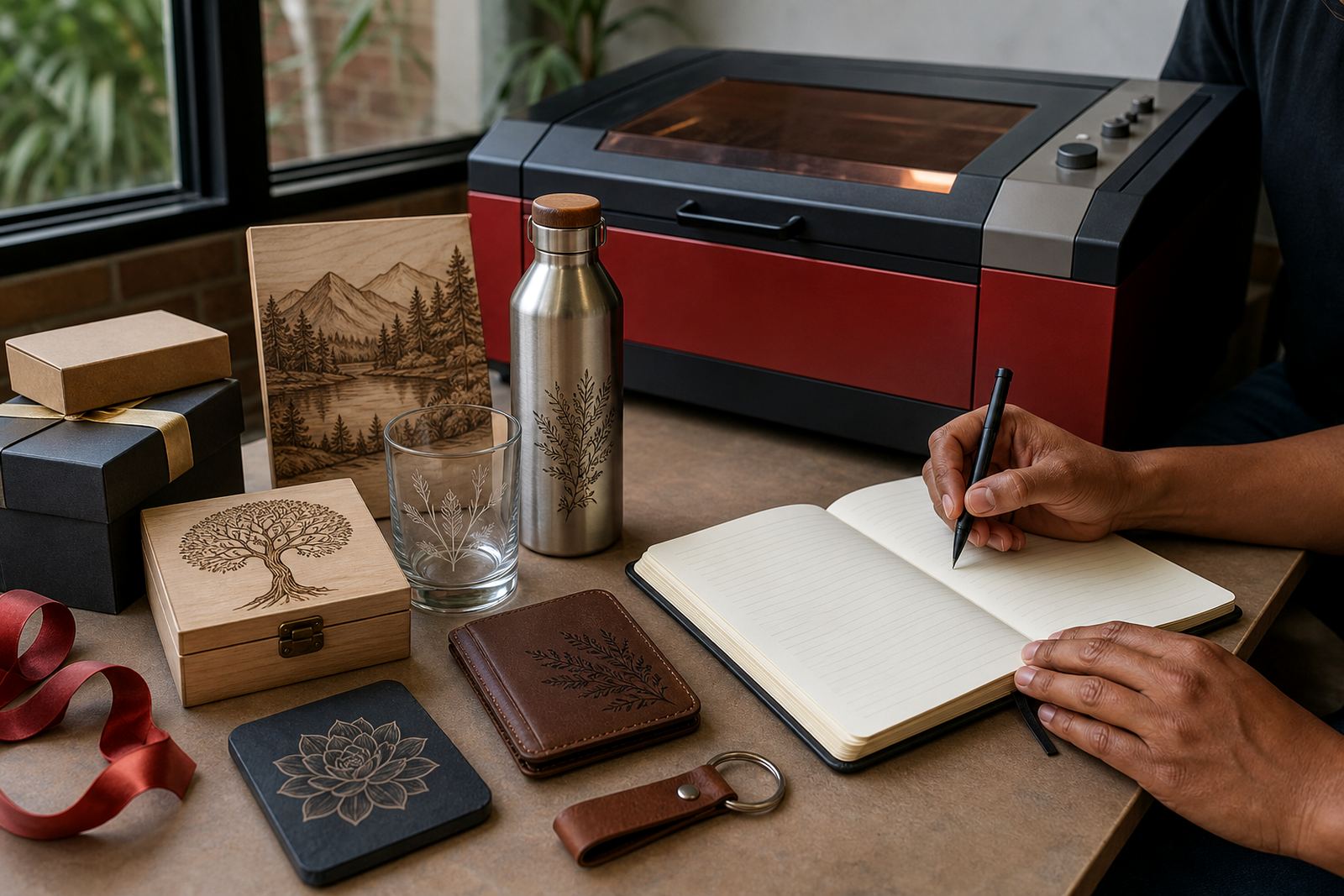
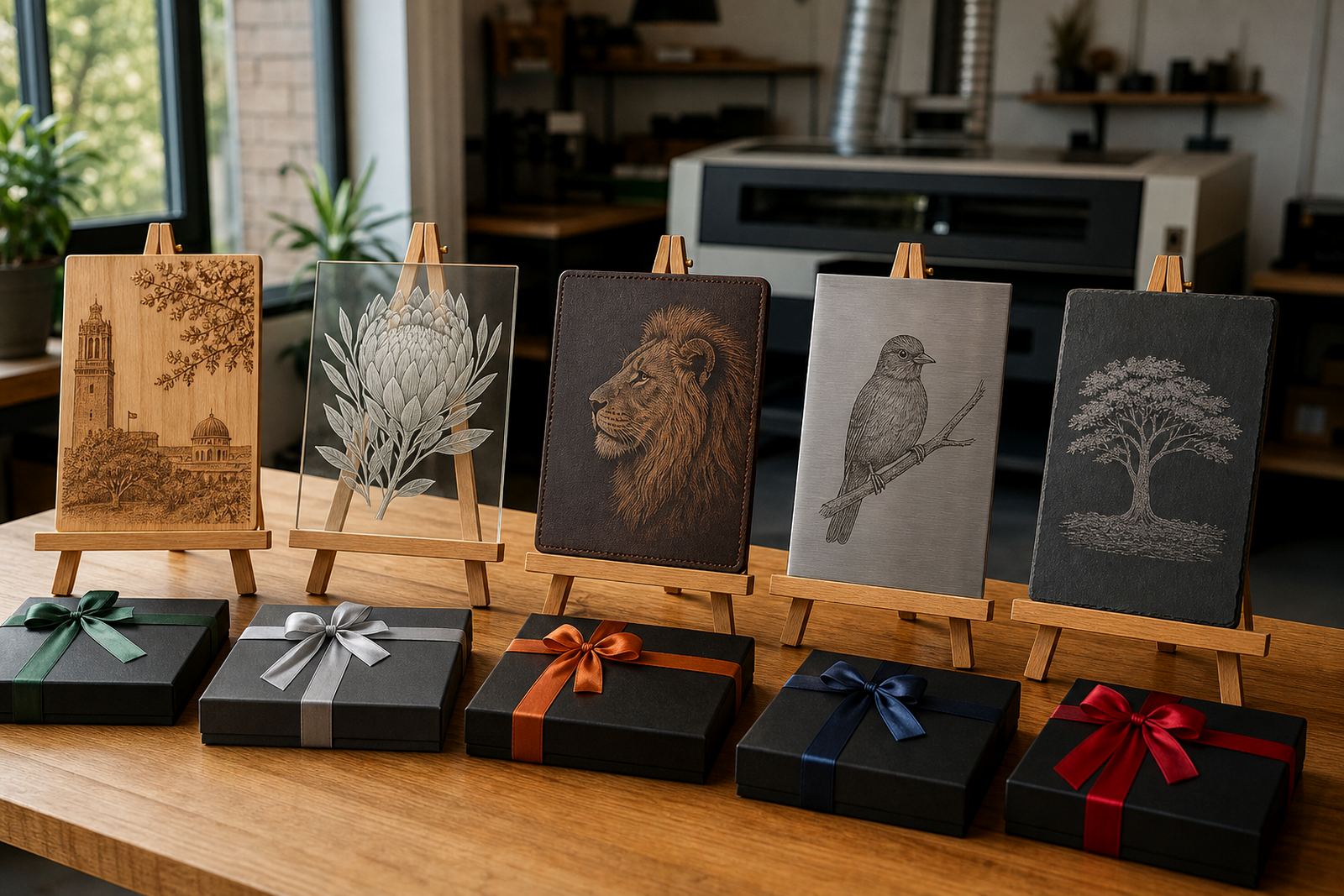
Material changes the look, the weight and how the engraving shows. Wood gives a warm, traditional feel and works well for honours boards and one-off presentations. Acrylic suits modern spaces and can be cut into clean shapes with sharp text. Glass gives a premium finish for formal recognition, though it must be handled carefully during transport and fitting. Leather is less common for plaques but can work for presentation covers and gift items when a tactile finish is wanted. Metal remains a solid choice for long-term use, especially where durability matters.
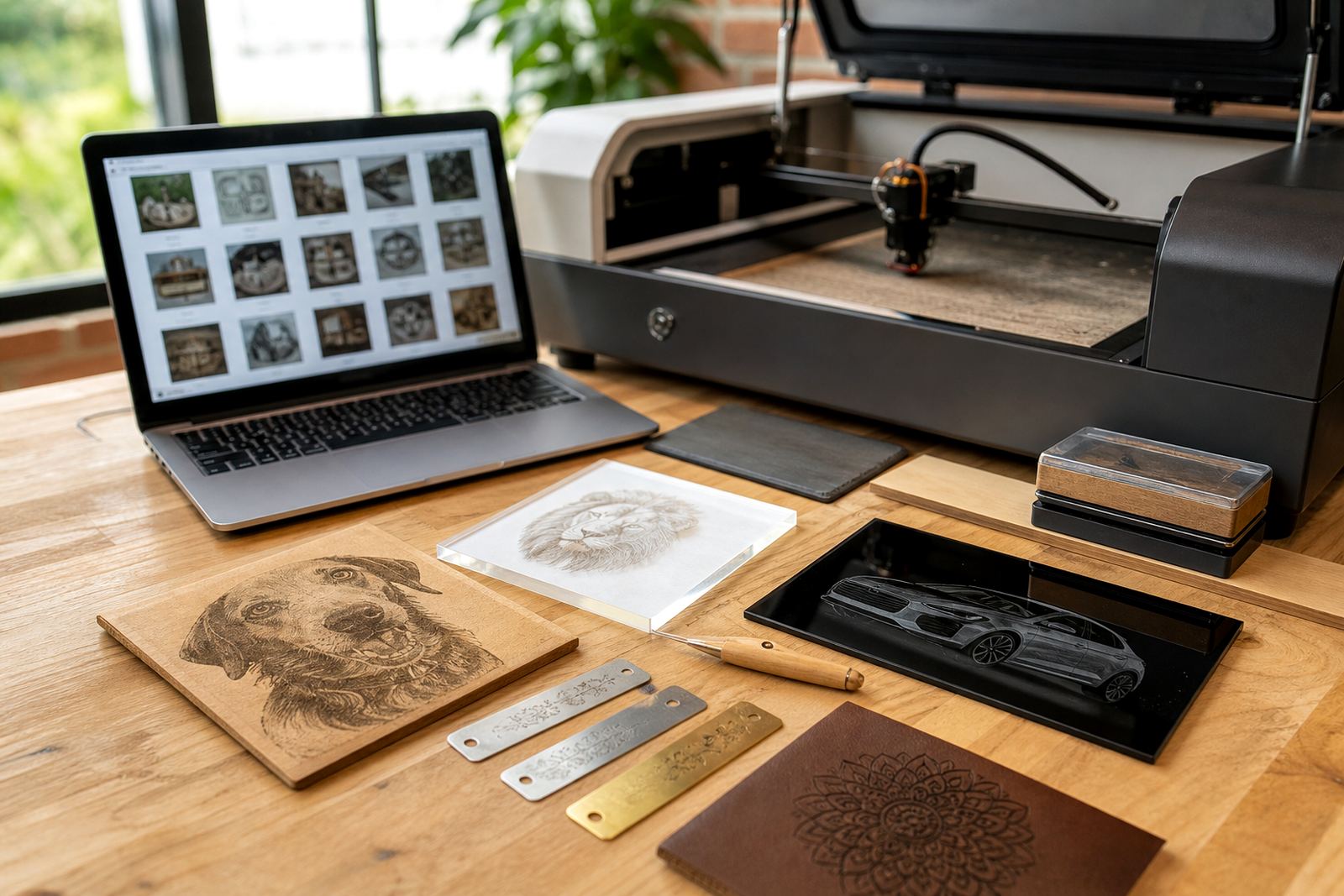
Laser engraving on these materials creates different results. On wood, the laser burns a clear contrast. On acrylic, it can frost the surface or cut through for a layered look. On glass, it marks the surface with crisp detail, while on metal the result depends on the coating or base metal type. For a plaque that must be read clearly, the contrast between text and background matters more than decoration.
- Wood: warm appearance, ideal for classic awards and school honours.
- Acrylic: light, neat and suitable for modern office displays.
- Glass: formal and elegant, best for careful handling and indoor use.
- Metal: durable, suitable for long service awards and product marking.
Plan the Layout Before Any Engraving Starts
A good plaque layout is easy to read at a glance. The title should be the strongest text, followed by the recipient name and the reason for the award. Secondary details such as date, company name and signature line must sit lower in the hierarchy. If the plaque includes a logo, it should not crowd the wording. Too much text makes the piece feel busy and the message gets lost.
At LightBurn Engraving, layout planning usually starts with size and viewing distance. A small plaque for a gift table needs shorter copy, while a wall mounted plaque can carry more detail. Font selection matters too. Serif fonts often suit formal awards, while clean sans serif lettering reads well on modern corporate pieces. Keep line spacing open enough so the engraved text remains clear after finishing and mounting.
- Keep the title short and bold.
- Use one or two font styles only.
- Leave margin space around the edges.
- Check spelling, names and dates before proof approval.
- Make sure the logo is supplied in a clean format for file conversion or redraw.
Size, Thickness and Fixing Options Matter
The size of the plaque should suit the message and the wall or stand where it will sit. Small plaques can look neat on shelves or counters, while larger pieces work better for foyer walls, donor recognition and ceremonial presentation. Thickness affects how the plaque feels in the hand and how it hangs. A heavier plaque usually looks more formal, but it also needs proper support.
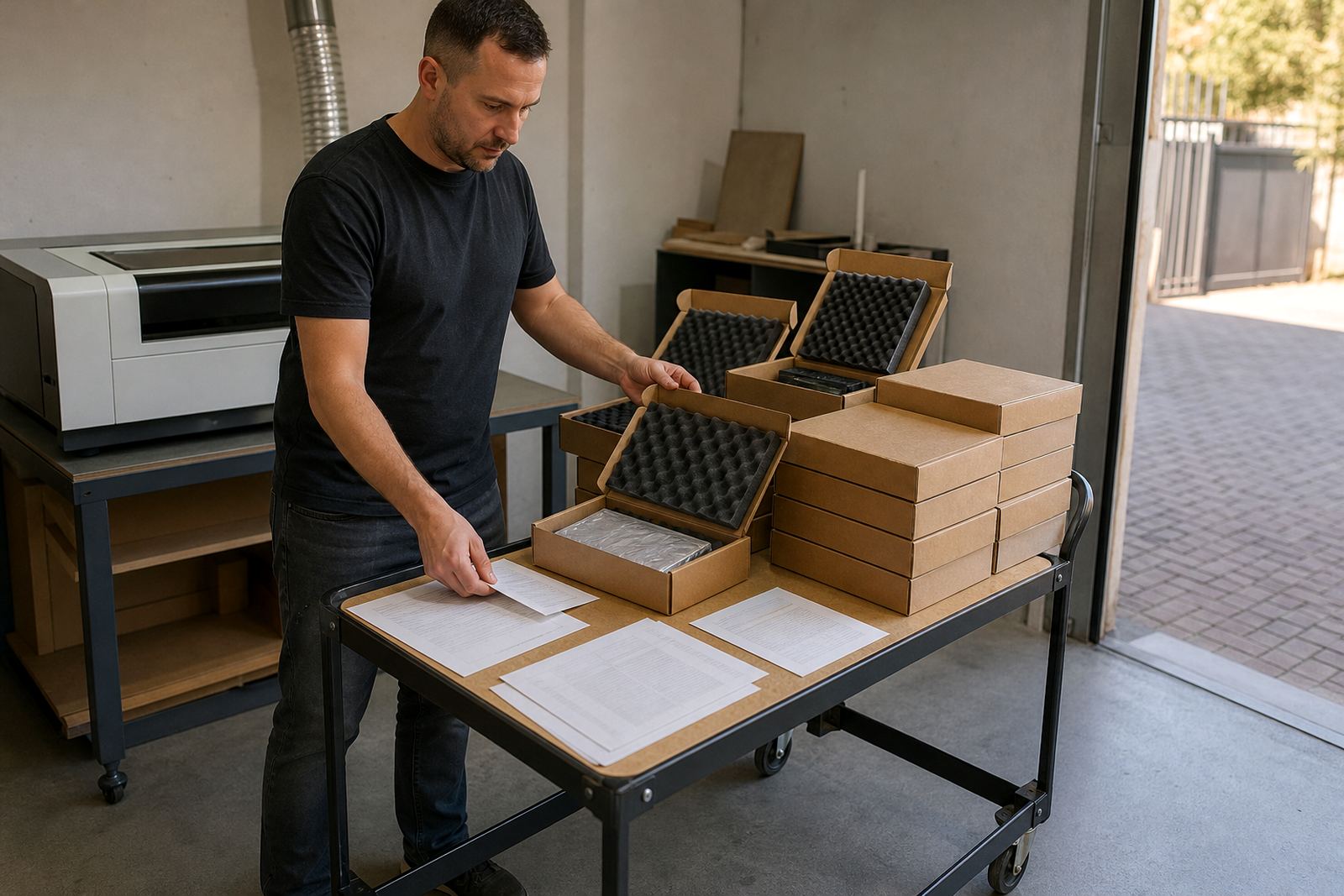
Mounting options should be planned early. Some plaques need stand-off fixings, others can be mounted with hidden tabs, screws or adhesive pads. If the plaque will travel to another town, packaging prep becomes important, especially for glass or polished metal. For coastal areas like Durban, a material choice that resists moisture and corrosion is worth considering. In Gauteng, dust and strong sunlight can still affect finishes over time, so indoor placement and cleaning should be discussed.
- Measure the available wall or display space before ordering.
- Choose thickness that suits the handover and the final mounting.
- Confirm whether fixings must be visible or hidden.
- Ask about protective packaging for courier delivery across South Africa.
How the Artwork Is Prepared for a Clean Finish
Clean artwork makes a clean plaque. If a client sends a logo, names or wording, the file may need conversion before engraving. Simple vector linework is usually best for sharp edges and accurate reproduction. If the artwork is low resolution, a logo redraw may be needed so the final mark does not come out jagged or uneven. This is especially important for small lettering, crests and fine border lines.
Proof approval is a useful checkpoint. It gives you a chance to check line breaks, spacing and material choice before production begins. Batch personalisation also needs careful setup when the same layout is being used for many names or departments. Reorder matching helps when extra plaques are needed later, because the same typeface, size and finish can be kept consistent. That saves time and avoids mismatched sets.
Practical Checklist for Presentations and Repeat Orders
Recognition plaques often get ordered for annual events, service milestones or donor programmes. Once the first one is approved, it helps to keep the details recorded so future pieces match. That is useful for companies in Pretoria East, Johannesburg, Centurion and Midrand that need a steady supply of plaques with the same layout. It also helps schools, churches and sports clubs that hand out multiple awards in one season.
Before placing the order, use this checklist to reduce mistakes and delays:
- Confirm the exact wording, including titles and dates.
- Check whether the plaque is for one name or a batch.
- Choose the material based on location and finish.
- Decide on size, thickness and mounting method.
- Approve the artwork before engraving begins.
- Confirm packaging prep if courier delivery is needed.
- Keep a copy of the final layout for future reorders.
For clients in South Africa who need engraved plaques, signs or product marking, it helps to work with a team that handles artwork setup, material guidance, size planning, mounting options and finishing in one place. From Wapadrand in Pretoria East, LightBurn Engraving supports local collection and courier delivery nationwide, with practical attention to the details that make a plaque look right and last well.