When equipment goes missing, the label is usually the first problem
Asset tracking is not just for big warehouses. In offices, workshops, schools, medical rooms and field teams, a missing asset tag can slow down audits, insurance claims and maintenance records. Clear engraving helps each item carry its own identity, even when the paint is worn or the unit has been moved from one branch to another.
We engrave tags and plates for equipment that gets handled, cleaned and moved often. That includes items that are exposed to dust in Gauteng, moisture near the coast, and repeated wipe-downs in clinics or food-related spaces. For businesses in Pretoria East, Pretoria, Centurion, Midrand, Johannesburg and Durban, courier delivery is a practical way to get labels where they are needed without holding up the marking process.
- Fixed asset plates for furniture, cabinets and machinery
- Batch labels for tools, cases and storage crates
- Identification tags for shared equipment and loan stock
- Instruction plates for safety, care or compliance notes
Common asset sets that benefit from engraving
Most asset tracking jobs start with a mixed set of items, not one neat product line. A business may need small tags for hand tools, medium plates for IT equipment and larger signs for storage areas, plant rooms or restricted access doors. In practical terms, the best layout depends on where the item sits and how often staff need to read it.
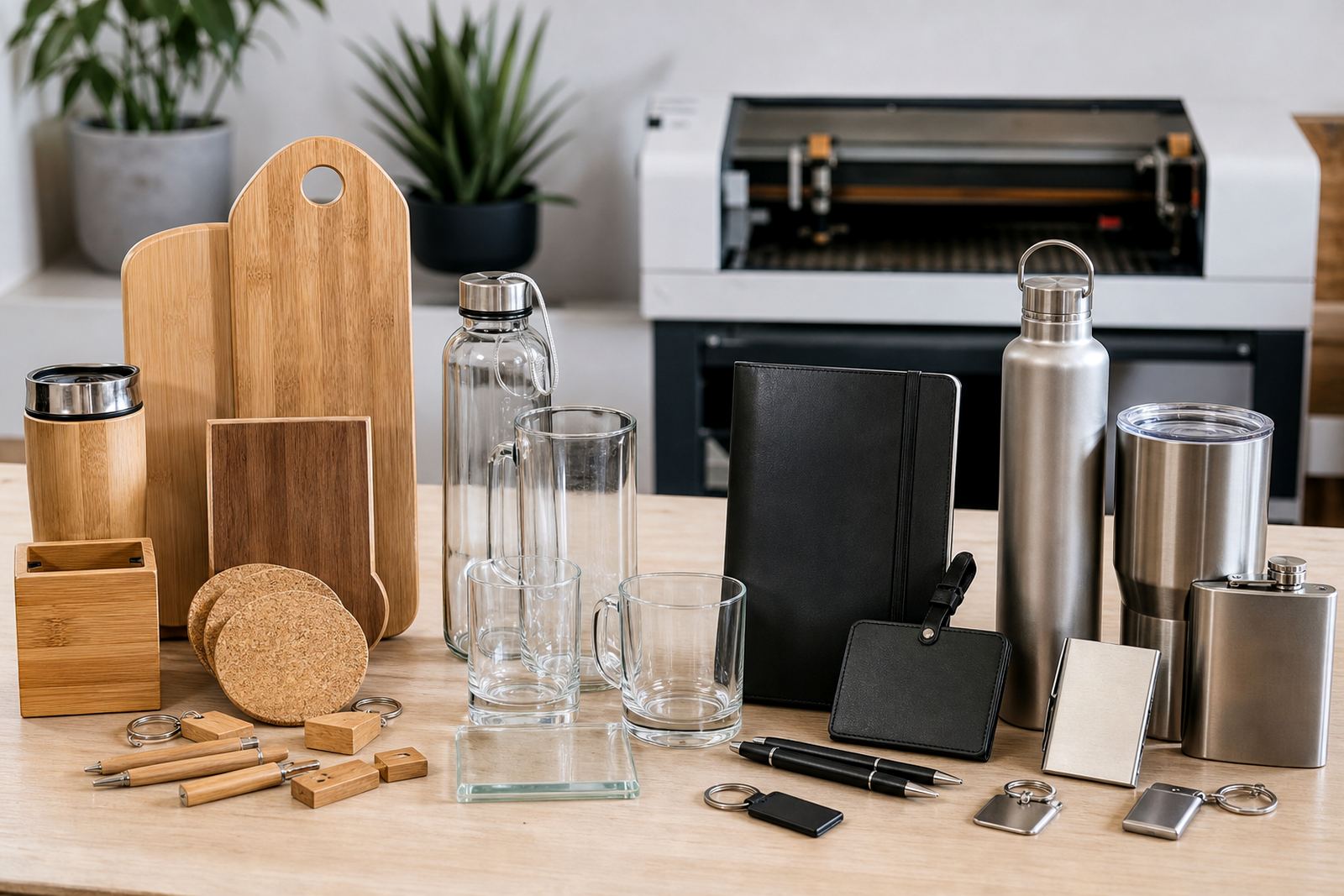
For wood, acrylic, glass, leather and metal, the finish and contrast matter. Wood takes marking well and suits office fittings, boxes and presentation pieces. Acrylic works well for modern labels, wall plates and colour-coded systems. Glass is best for decorative or commemorative marking, while leather suits cases, covers and hospitality items. Metal is usually the first choice for hard-wearing asset plates because it stands up to wear, heat and repeated handling.
- Serial numbers and asset codes
- Department names and room references
- QR or barcode areas for scan-based systems
- Company names, site names and ownership notes
Layout planning that makes audits easier
The best asset plates are easy to read at arm’s length and easy to scan when someone is in a hurry. We help with layout planning so the most important details are not crowded out. That usually means choosing a clear font, giving the code enough space, and deciding whether the plate needs a border, mounting holes or adhesive backing.
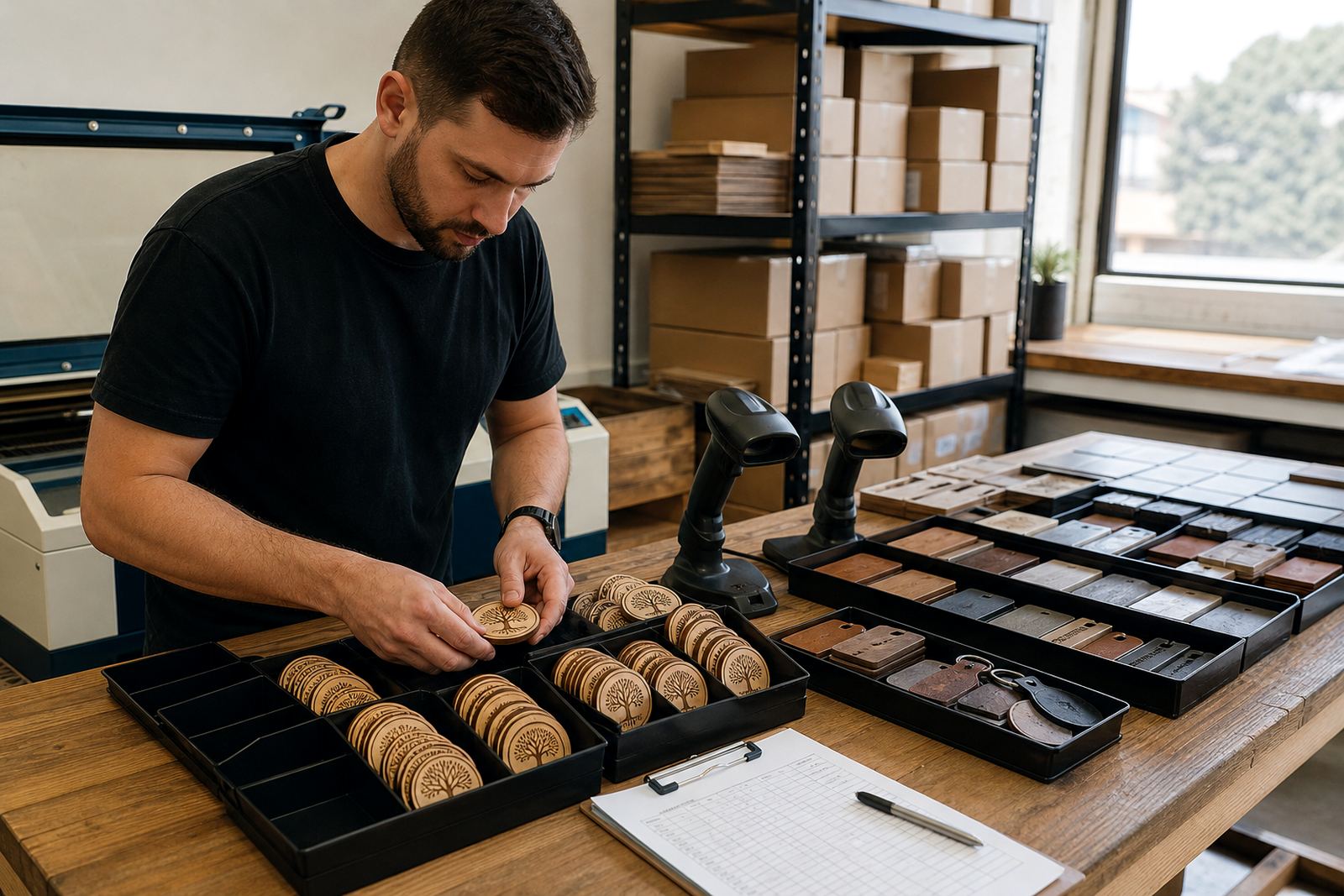
Size planning is part of the job as well. A tiny plate can work on a laptop or hand tool, but a pump, trolley or cabinet may need more space for the code and department name. If you are marking many items at once, batch personalisation helps keep the sequence consistent. Reorder matching is useful when new stock arrives later and needs to match the first set exactly. That way the system stays tidy instead of becoming a mix of styles and sizes.
- Keep one main identifier in a larger line than the rest
- Leave enough margin for mounting holes or screws
- Use the same wording style across branches
- Plan for cleaning, sunlight and frequent touch points
Typical mistakes that cause asset tags to fail
A common mistake is making the tag too small for the amount of information required. If the code, department and maintenance note all sit on a plate that is too narrow, staff will struggle to read it and scanners may miss it. Another issue is choosing a material that suits the look but not the working environment. A decorative finish can look neat on a sample, yet still wear quickly on a site where the item is rubbed, moved or cleaned often.
People also forget about placement. An asset tag hidden under a handle or on a curved surface gets damaged or ignored. On metal cabinets and machinery, a flat section is usually better. On soft goods and cases, the fixings or backing should suit the material so the tag stays put. In coastal areas, especially Durban, it is worth planning for humidity and corrosion risk from the start.
We also see problems when the artwork changes every time a reorder is placed. Keeping the same code format, font and spacing makes future additions much easier. It saves time during annual stock counts and helps maintenance teams work faster.
What businesses usually order for tracking and control
Asset tracking orders often combine several item types so the system works across the whole site. A single order may include plates for fixed equipment, labels for drawers and storage bins, and small tags for laptops, tools or loan sets. For schools, offices and workshop environments, this mixed approach makes the records easier to follow.
Many clients also ask for mounting options and packaging prep so the plates arrive ready to apply or install. If the business has multiple branches, we can keep the artwork aligned for the next reorder and make sure the same naming pattern is used across all locations. That matters when items move between Pretoria, Johannesburg, Centurion, Midrand and Durban.
- Metal plates for long-term asset records
- Acrylic or engraved plastic labels for drawers and shelves
- Small tags for tool kits and portable equipment
- Instruction plates for safety points and care notes
Budget ranges for asset tracking in Rand
Budget depends on size, material, quantity and how much setup the artwork needs. A simple set of small tags will sit in a different range from larger engraved plates with custom layout work, mounting holes or repeated name changes. The most cost-effective jobs are usually those with consistent wording and enough quantity to run in batches.
As a rough planning guide, many asset tracking requests start with a modest spend for small ID tags, then move upward when the job includes multiple sizes or more detailed marking. If the order includes artwork setup, logo redraw, file conversion or proof approval, allow extra room in the budget for the prep stage. For larger rollouts across several departments or sites, it is sensible to set aside a separate amount for spare tags and later reorders, so the system does not break when one item gets lost.
If you are working to a fixed procurement figure, send the list of items, preferred material and approximate sizes through the enquiry form on our contact page. We can then guide the layout and material choice before production starts.