What Trophy Plates Are Used For
Trophy plates are the small nameplates fitted to the front of a trophy base, wooden plinth, presentation box or display piece. They carry the essential details: award name, recipient, date, event, league or company message, and they keep the overall look neat and easy to read. In metal finishes they suit formal awards, while clear or coloured acrylic plates are often used for modern presentation pieces and lightweight displays.
For schools, clubs, offices and event organisers in Pretoria East, Johannesburg, Centurion and Midrand, these plates are a practical way to finish an award without overcomplicating the design. They also work well for repeat orders where the wording changes but the layout stays consistent, which helps keep matching sets tidy.
Materials, Sizes and Finish Options
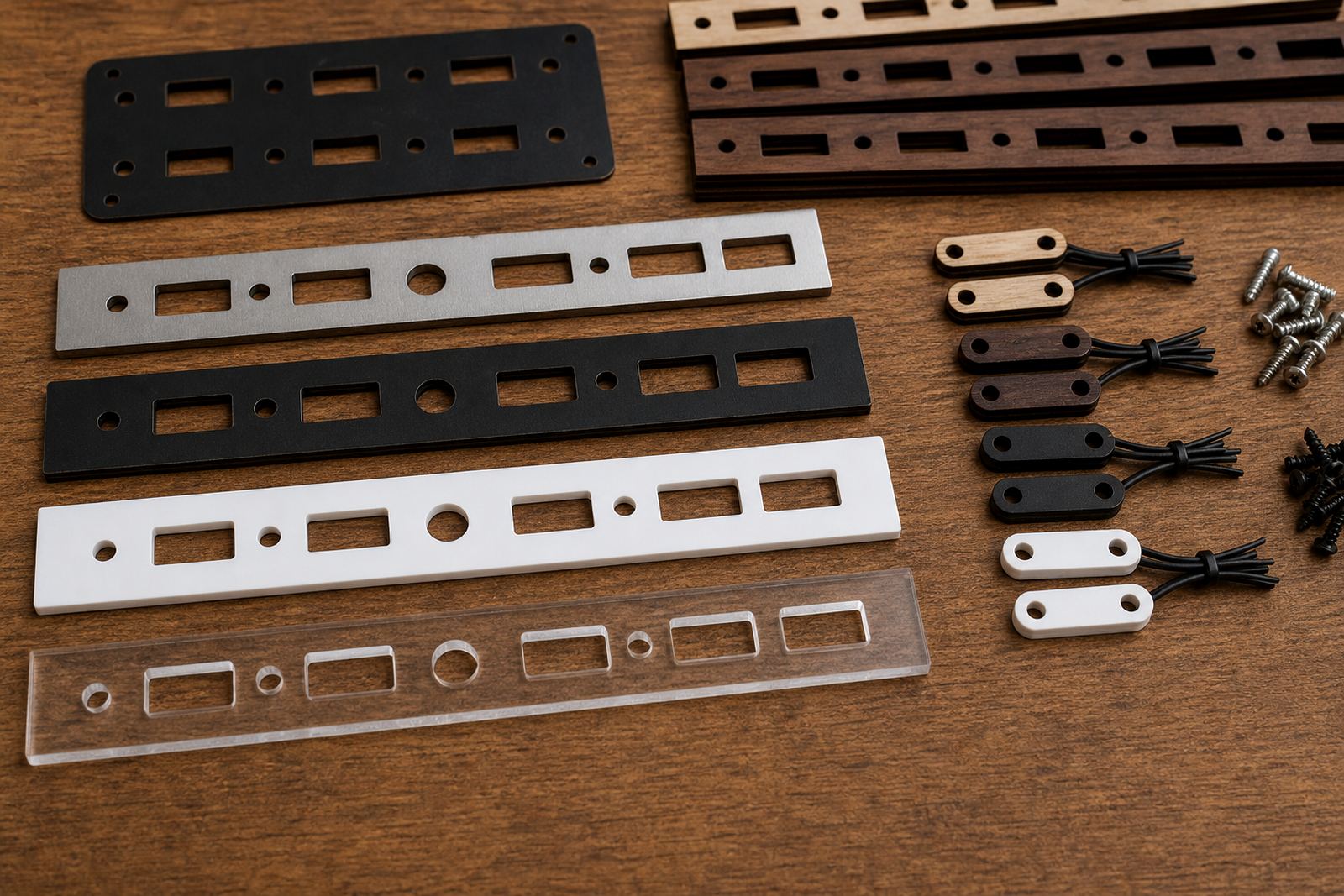
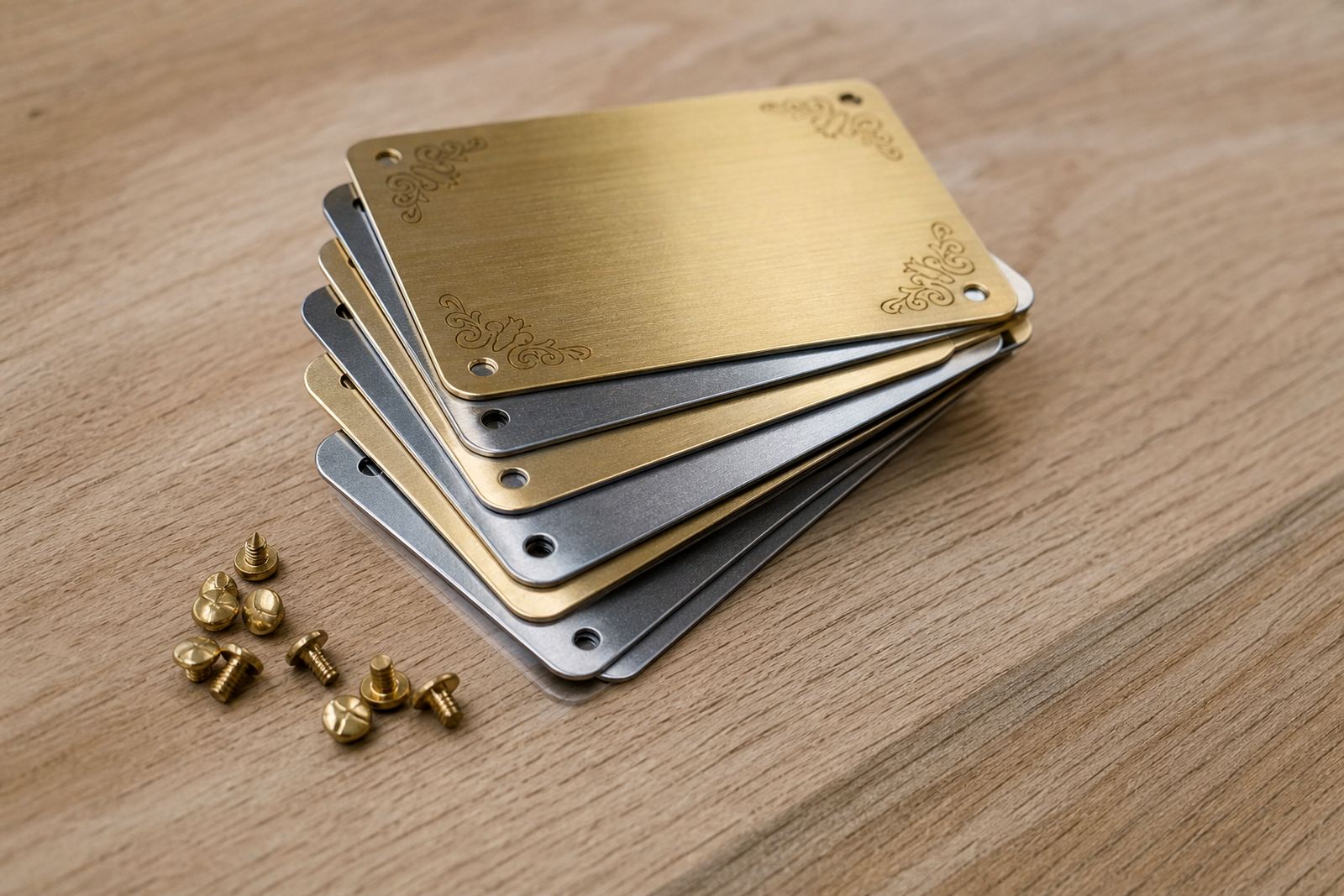
We produce trophy plates in a range of common materials depending on the look and the fixing method required. For classic awards, engraved brass, aluminium and coated metal plates remain popular. For lighter pieces and modern presentation work, acrylic can be engraved or cut to shape. Wood-backed presentation items can also take a plate with adhesive or small screws, if the base allows it.
- Typical plate sizes: 50 x 20 mm, 60 x 25 mm, 75 x 25 mm, 80 x 30 mm, 100 x 30 mm and custom sizes
- Shapes: rectangular, rounded corners, stepped ends and simple custom profiles
- Finishes: brushed, polished, matte black, gold tone, silver tone and clear acrylic
- Lettering: standard text, logo marking, serial numbers and short dedication wording
- Mounting: double-sided tape, adhesive pads, small screws, or loose supply for local fitment
Where a plate needs to match an existing trophy, we can work from a sample or a clear photo with measurements. That is especially helpful for replacements, because many awards have slight differences in height, corner radius or screw spacing. A millimetre out can show up once the plate is on the base, so size planning matters.
How Laser Engraving Looks on Different Plate Materials
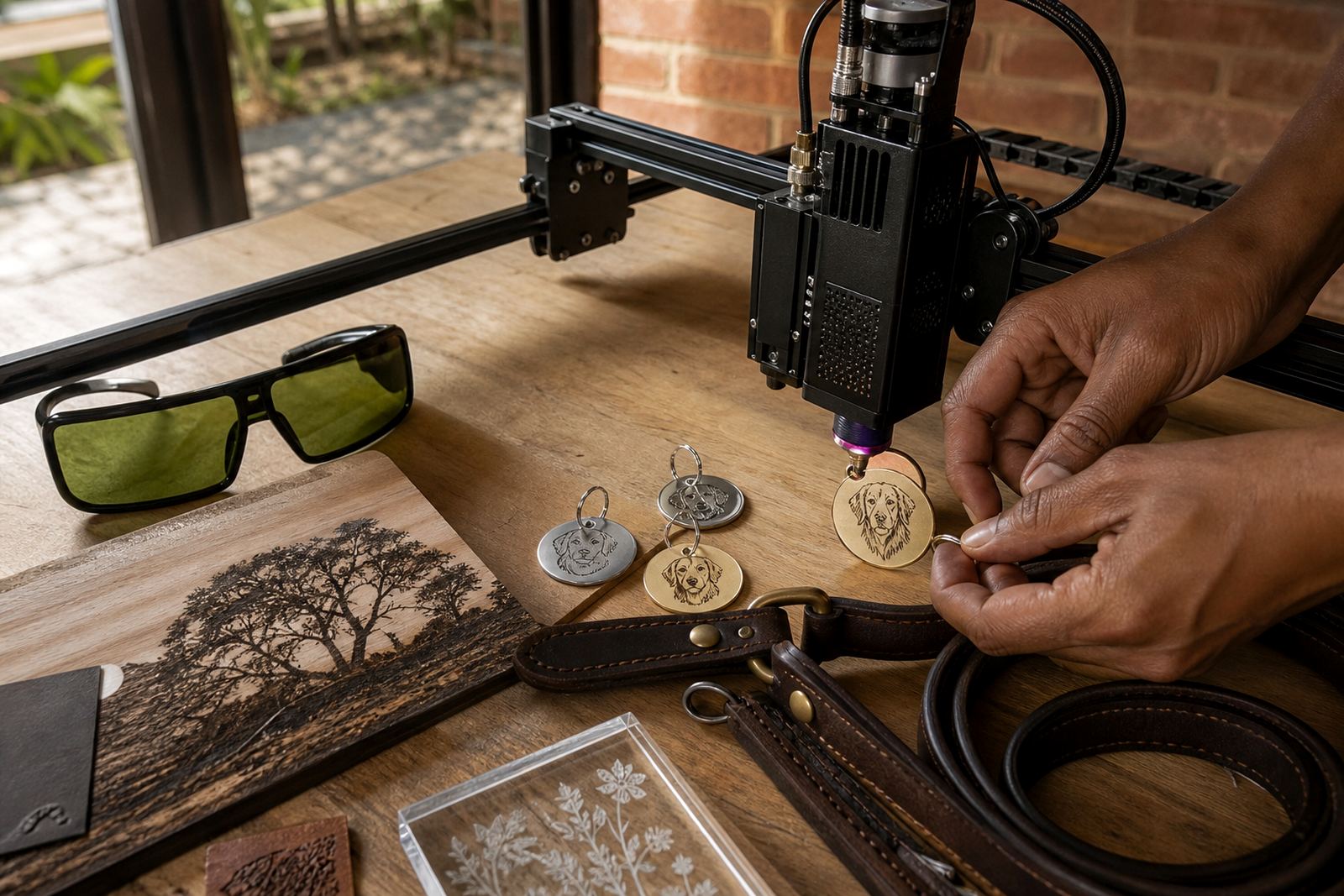
Laser engraving gives crisp text and clean linework on trophy plates, especially where the wording is small. On coated metal plates, the laser removes or marks the top layer to reveal the detail beneath. On acrylic, the engraving creates a frosted white finish that stays visible from a normal viewing distance. On wood, the engraving is darker and slightly recessed, which suits rustic or school awards. Glass and leather can be engraved too, though those materials are used less often for standard trophy plates and more for presentation items.
For fine lettering, the main point is legibility. Very thin fonts can look elegant on a screen but become difficult to read once reduced onto a 60 mm plate. We normally suggest simple, clean typefaces for names and dates, with stronger weight for event titles. If a logo is included, it should be supplied in a clean vector format where possible, otherwise we can redraw it for engraving use.
Where Trophy Plates Suit Best
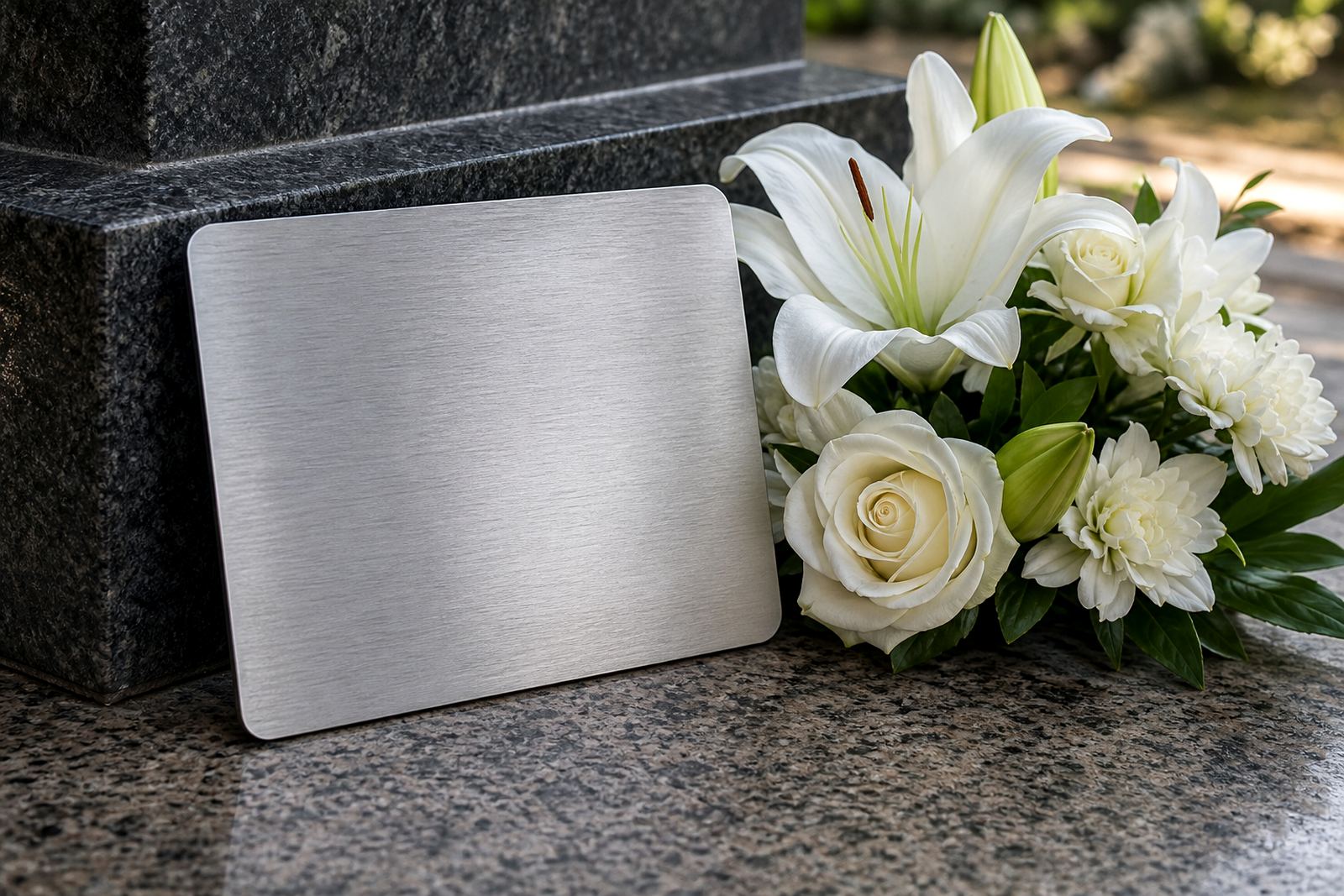
Trophy plates are used anywhere awards need clear identification and a tidy finish. They are common on sporting trophies, school prizes, corporate recognition items, memorial presentation pieces and event awards. In Pretoria East and surrounding areas, they are also used on showpieces for golf days, business functions, community events and internal staff recognition.
- Sports trophies and perpetual cups
- School awards, debating prizes and academic shields
- Corporate recognition plaques and retirement gifts
- Memorial pieces and commemorative presentations
- Product samples, prototype labels and branded display items
Because these plates are small, they are also useful when a larger plaque would look too heavy on the base. A neat plate can finish the piece without taking attention away from the trophy itself. For multi-award events, matching layout across every plate helps the set look consistent, even if the names change from one winner to the next.
Fitting, Mounting and File Setup
Trophy plates can be supplied ready for fitting or mounted before dispatch, depending on the item and the type of base. If you are replacing a plate on an existing trophy, the most important details are the exact size, fixing method and the available space on the base. Adhesive is common for flat bases, while screws may suit timber plinths or heavier presentation pieces. If the surface is curved or textured, we need to know that early so the fixing method can be chosen properly.
We handle artwork setup, logo redraw, layout planning, font selection, material guidance, size planning, proof approval, file conversion, batch personalisation, mounting options, packaging prep and reorder matching. For customers in Gauteng and further afield, courier delivery is available across South Africa, including Pretoria, Johannesburg, Centurion, Midrand and Durban. If you are ordering several plates at once, it helps to provide the wording in a clean list, with the names exactly as they should appear, because small spelling changes can affect the whole batch.
Care, Replacement and What to Check Before Ordering
Trophy plates are low-maintenance, but the finish stays better if they are cleaned with a soft cloth and mild soap water only. Harsh solvents, abrasive pads and strong polish can dull acrylic or remove coated finishes. In humid coastal conditions, especially if the item is going to Durban or another seaside area, metal plates should be checked for corrosion resistance and mounted properly so moisture does not collect behind the plate.
Before placing your order, please check the following:
- Exact plate size and whether the edges are straight or rounded
- Text content, spelling and line breaks
- Logo quality and whether a redraw is needed
- Material choice and finish colour
- Fixing method: adhesive, screws or loose supply
- Whether the plate must match an existing trophy or base
For service and repeat orders, keep one sample plate or a clear reference photo on hand. That makes matching simpler when a trophy is re-used each year or when a plate gets lost after transport. If a base already has a recess cut into it, the actual opening size should be measured, not just the outside edge, otherwise the new plate may sit proud or leave a visible gap.
Job details
| Product type | Small engraved plates for trophies, bases and presentation pieces |
|---|---|
| Common materials | Brass, aluminium, coated metal, acrylic and selected wood-backed options |
| Typical sizes | 50 x 20 mm to 100 x 30 mm, plus custom sizes |
| Engraving method | Laser engraving for crisp text, logos and line detail |
| Mounting options | Double-sided tape, adhesive pads, small screws or loose supply |
| Supply area | Pretoria East, Gauteng and courier delivery across South Africa |