What Serial Plates Are Used For
Serial plates are permanent identification plates used to label equipment, assets, components and fitted items. They are commonly used where handwritten labels fade, adhesive labels lift, or printed stickers do not last long enough in busy work areas, storage rooms or outdoor conditions.
They are also helpful for audits, maintenance records and asset control. In Pretoria East and surrounding business areas, many clients use them to keep workshop stock, installed fittings and replacement parts properly recorded.
Depending on the material and finish, a serial plate can be subtle or highly visible. The engraved detail remains legible even after regular contact, vibration, dust and general handling. For coastal use, material choice matters more because humidity and salt air can affect some finishes over time.
Material Options, Sizes And Marking Styles
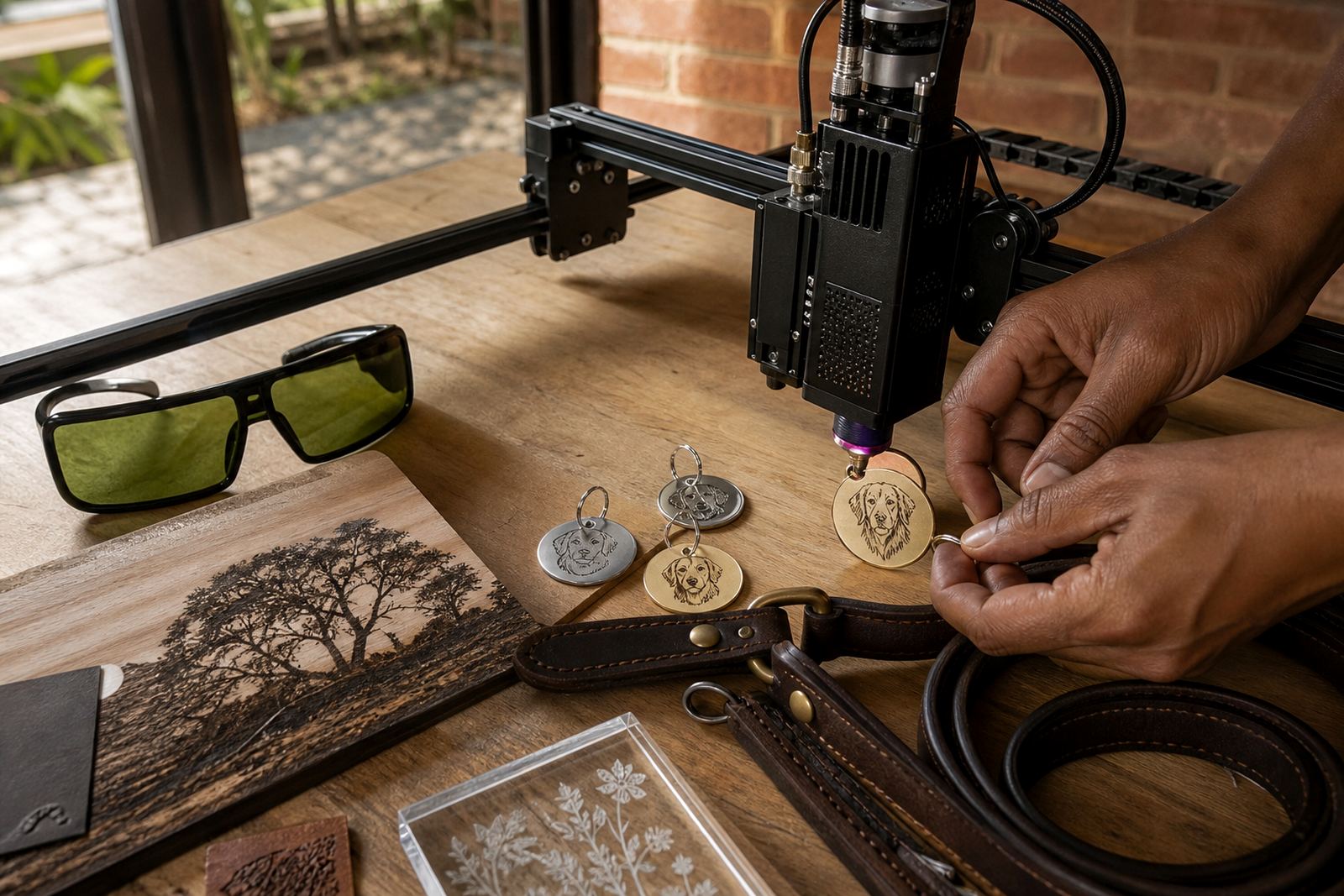
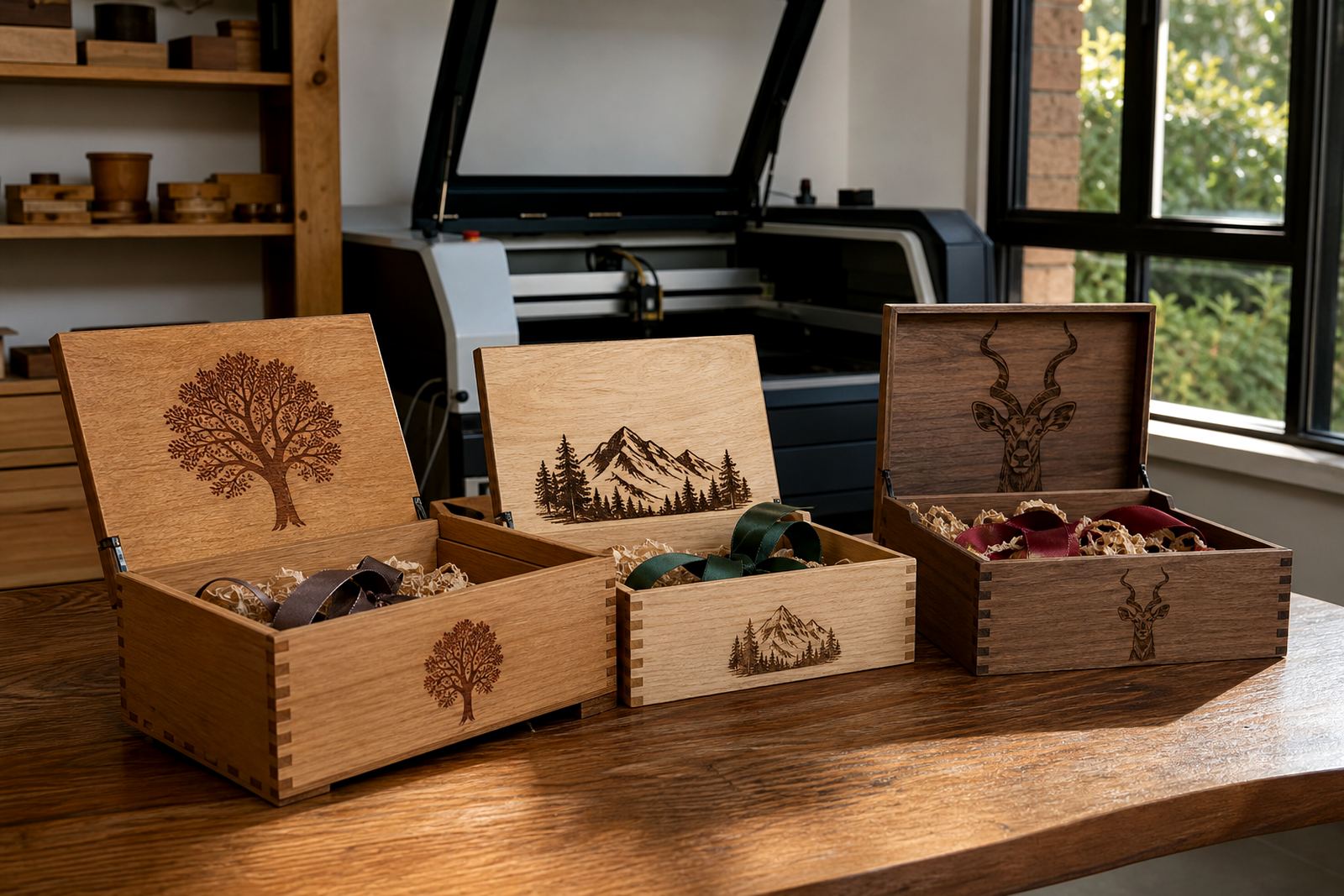
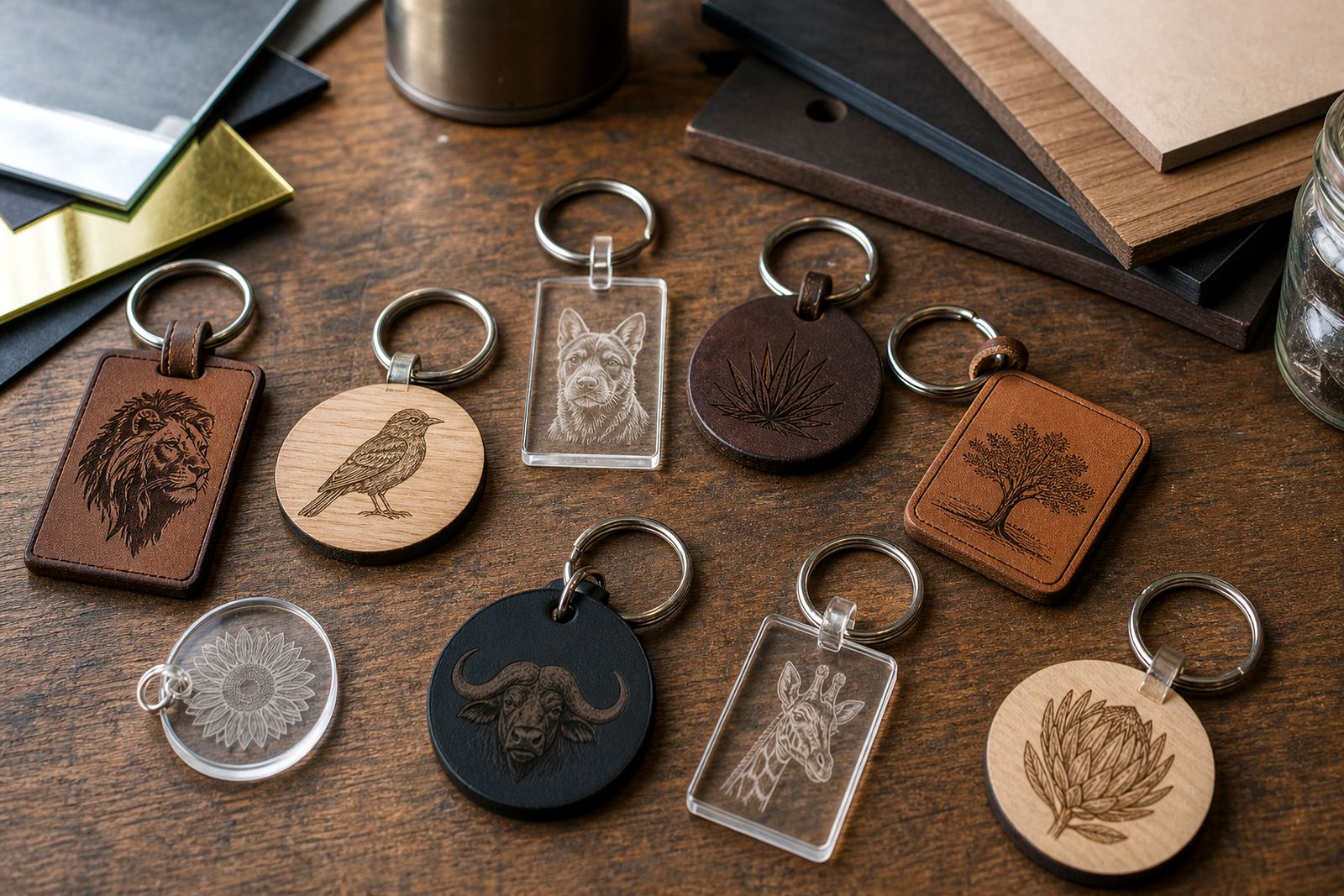
We engrave serial plates in materials suited to the application and the environment. For internal equipment, laminated engraving sheet and acrylic-based options work well. For tougher industrial use, anodised aluminium, stainless steel and other metal plate options are usually preferred. On wood, leather and acrylic-based display items, engraving can be used for lighter identification or presentation pieces, though these are not always the best choice for harsh service conditions.
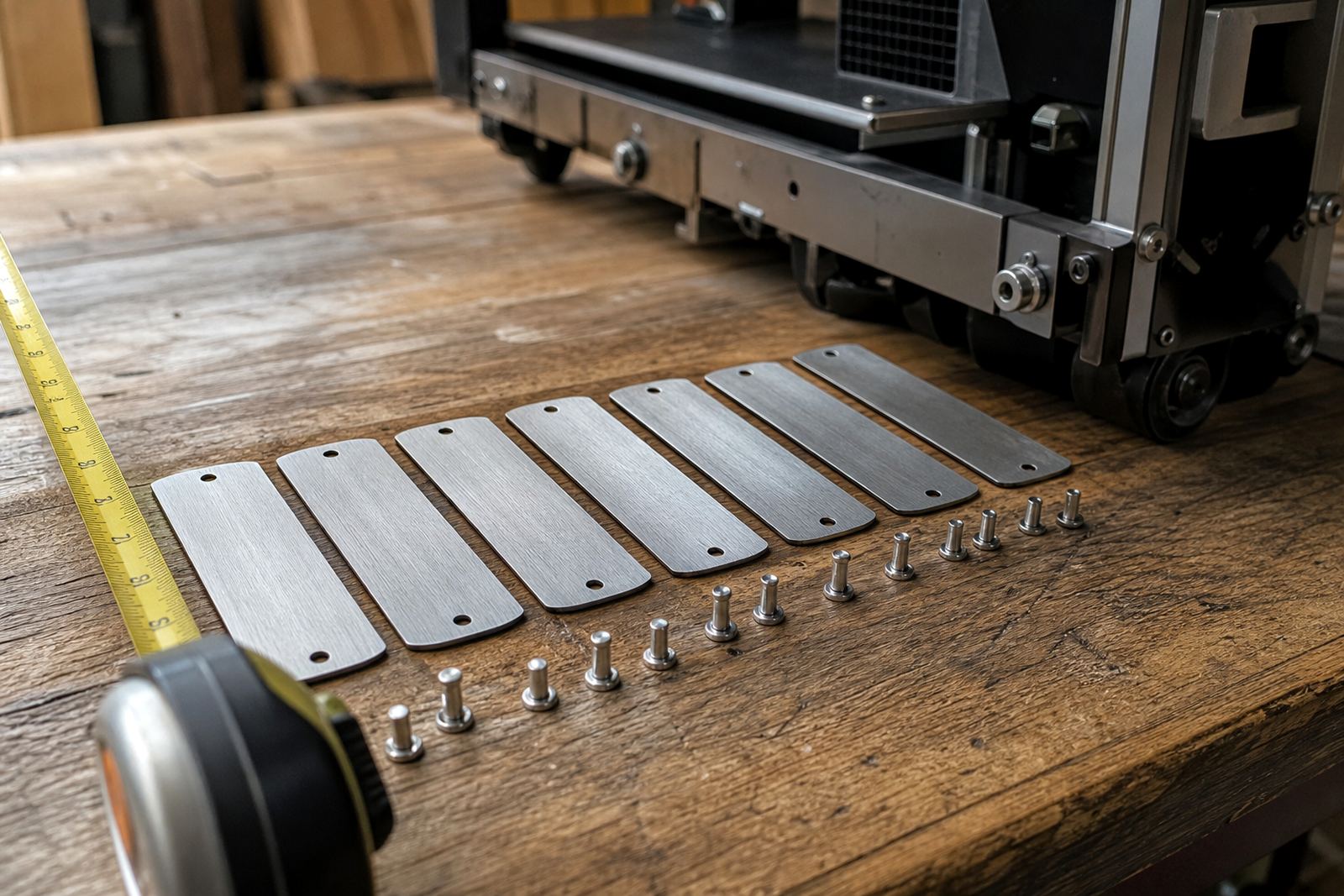
Common plate sizes range from very small identification tags to larger format asset plates. A small plate might be used for a cable, bracket or component, while a larger plate suits machinery, a wall-mounted panel or a rack system. We can work with single-line numbering, multi-line text, barcodes, QR codes and company details, depending on the layout required.
- Square, rectangular or custom cut plate shapes
- Rounded corners for safer handling and cleaner fitting
- High-contrast engraving for better legibility
- Sequential numbering for batch asset control
- Barcode or QR code inclusion where the file is suitable
For repeated orders, it helps to keep the same size and layout across all plates so replacements match cleanly. That makes reorder matching simpler when you need an extra plate later on.
Where Serial Plates Suit Best
Serial plates can be fixed in different ways depending on the surface and the environment. Options include screw holes, adhesive backing, rivet fixing or mounting into a prepared recess. The best method depends on whether the item is metal, painted, powder-coated, plastic, wood or glass, and whether it must be removable later for servicing. A plate on a vibrating machine needs a different fixing approach than one on a display unit.
For electrical or mechanical equipment, the plate should be placed where it stays visible without being damaged by heat, moving parts or routine servicing. If the item is outdoors, near a wash bay, or in a workshop with dust and oils, fixing and material selection need a bit more thought.
If you are fitting plates on a site with access control, municipal requirements or signage rules, it is worth checking that the layout does not block safety labels, vents or inspection points. For larger projects in Pretoria, Centurion, Midrand or Johannesburg, batch sorting before dispatch helps avoid mix-ups on site.
Job details
| Primary use | Asset marking, equipment identification and serial number plates |
|---|---|
| Materials | Engraved plate options in acrylic, laminated sheet, aluminium and stainless steel |
| Typical sizes | Small tags through to larger identification plates, custom cut to order |
| Marking styles | Text, numbering, logos, barcodes, QR codes and multi-line layouts |
| Fixing options | Adhesive backing, screw fixings, rivets or mounted application |
| Service area | Pretoria East, Gauteng and courier delivery across South Africa |