
Permanent marking for workshop and plant equipment
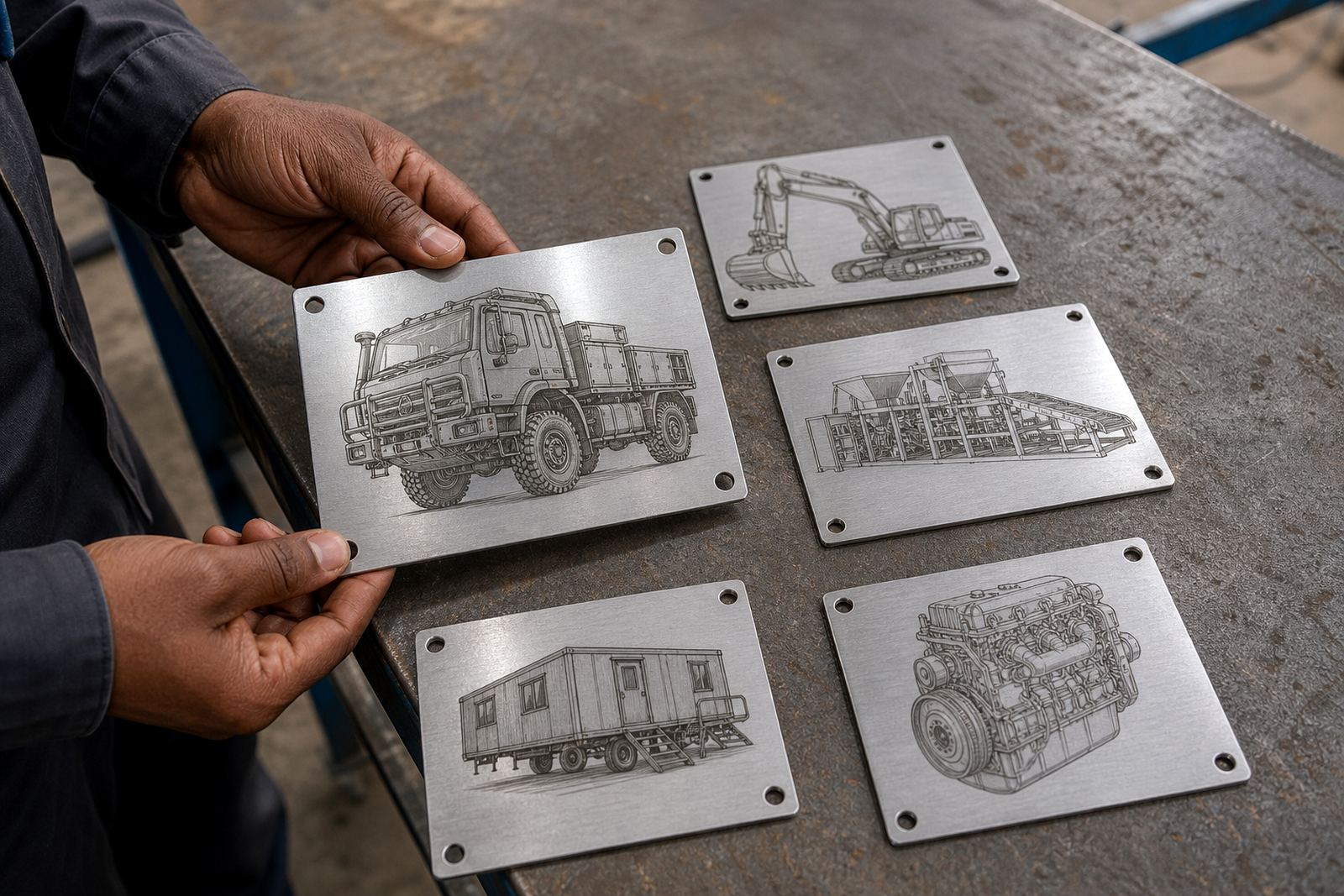
Machine plates are used to identify equipment, show operating details and keep workshop records clear. On machinery, compressors, generators, pumps, panels and fabrication gear, a good plate must remain readable even when the surface is oily, scratched or exposed to regular cleaning. Engraved plates suit that kind of use because the marking is cut into the material rather than printed on the surface.
We produce machine plates for single items, replacement plates and batch runs for workshops, manufacturing spaces and service teams. Depending on the application, the plate can carry a machine name, serial number, asset number, voltage, warning text, service date or directional marking. In Pretoria East, Centurion, Johannesburg, Midrand and Durban, many clients choose engraved plates because they hold up well in humid coastal conditions, dusty industrial bays and busy municipal workshop environments.
- Suitable for indoor and semi-outdoor use
- Clear numbering for asset control and servicing
- Readable after regular wiping and handling
Material choices that suit heat, moisture and handling
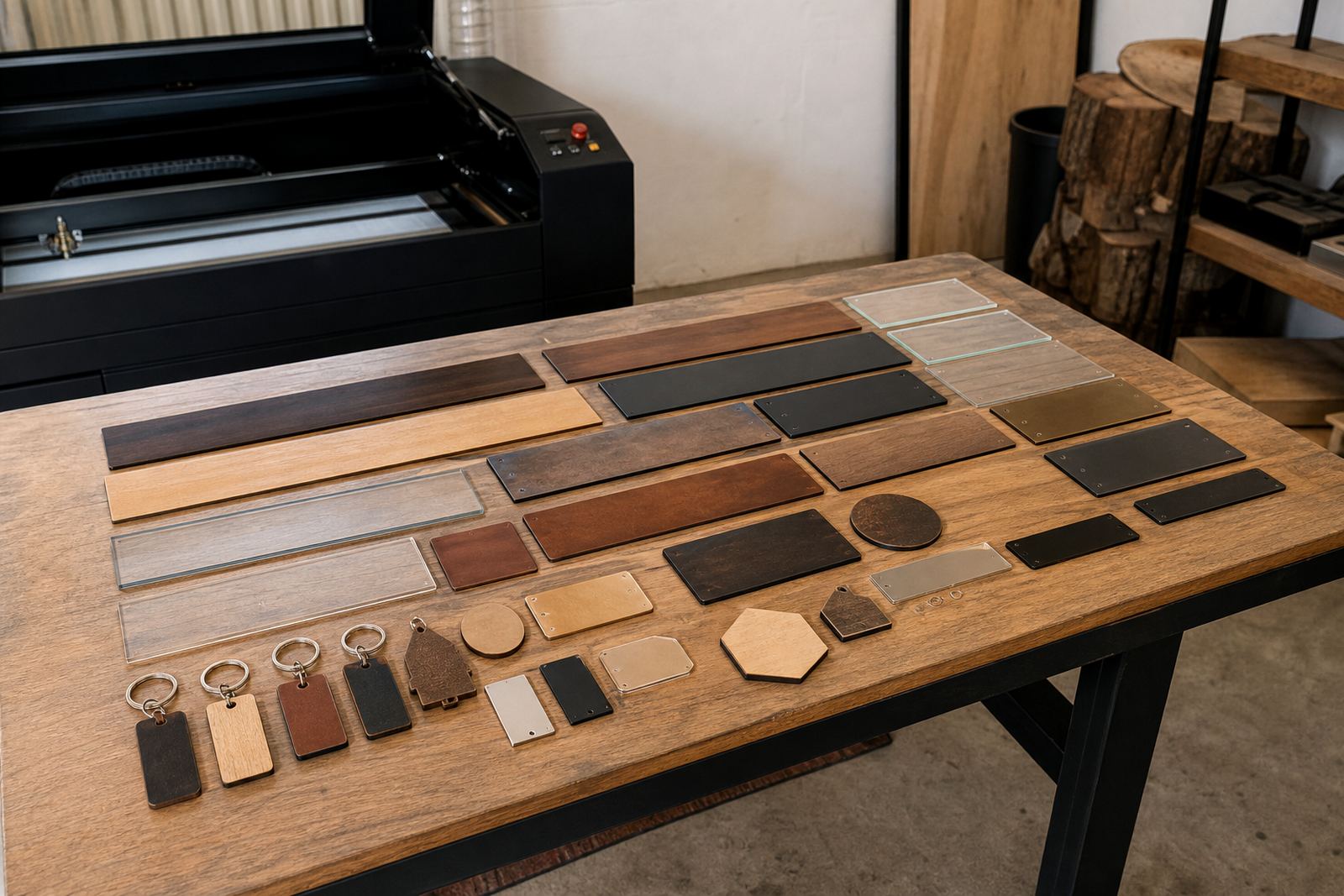
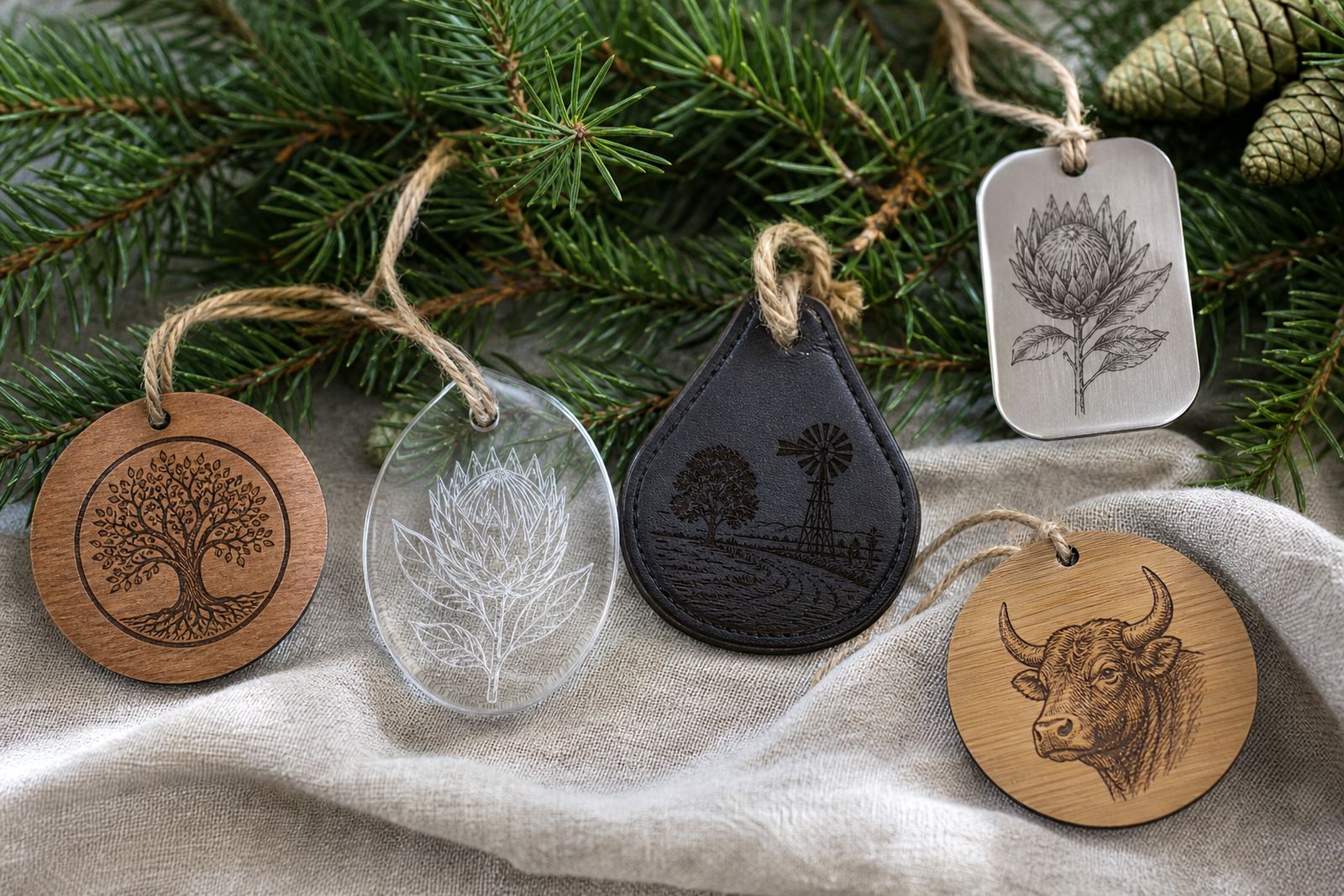
Machine plates are commonly made from acrylic, anodised aluminium, stainless steel, brass or layered plastic engraving material, depending on the job. Acrylic is useful where colour contrast and light weight matter. Aluminium works well for general equipment marking and can be supplied in thin sheets for neat fixing. Stainless steel suits harsher environments where moisture, cleaning chemicals or corrosion may be a concern. Leather and wood are less common for machine plates, but can be used for special presentation items or custom covers.
For most workshop use, the choice comes down to where the plate will sit and what it will face day to day. A plate inside a control cabinet has different needs from one mounted near a machine bed or on a unit that gets moved around a site. We also help with colour contrast, font size and layout planning so the text stays legible from a practical viewing distance, not just up close. This matters when the plate needs to be read quickly during maintenance or in low light after load-shedding.
- Material matched to indoor, outdoor or high-contact use
- Choice of black, silver, white and other high-contrast finishes
- Font selection based on plate size and reading distance
Typical sizes, thicknesses and layout options
Machine plates can be made in a wide range of sizes, from small tags for individual assets to larger plates for plant machinery and control systems. Common formats include narrow rectangular plates, square labels, rounded corner plates and longer information strips. Thickness depends on the material and how the plate will be fixed. Thin plates suit flat panels, while thicker options are better where the plate needs more rigidity.
When you order, it helps to think in terms of what must fit on the plate rather than only the final size. A plate with a serial number and logo needs a different layout from one carrying warning text, power details and a service reference. We can assist with artwork setup, logo redraw, file conversion and proof approval so the final plate reflects the correct wording and spacing. If you already have an old plate, we can work from a photo or sample for reorder matching and replacement work.
- Small asset tags and serial plates
- Medium equipment ID plates
- Large information plates for panels and workshop stations
Where machine plates are usually fitted
These plates are used on machine guards, base frames, access doors, switch boxes, pump housings, tool cabinets, rack systems and workshop equipment. They are also useful on shared tools and mobile units where asset control is important. In factories and maintenance depots, they help reduce confusion when several similar machines are operating at once. In smaller workshops around Pretoria and Johannesburg, they are often used to keep service dates and equipment numbers in one clear place.
For some jobs, the plate forms part of compliance and record keeping. That may mean a clean serial number plate for inventory, a warning plate for safe use, or a maintenance tag that stays fixed through repeated cleaning. If the surface is curved, rough or exposed to vibration, we can suggest mounting options that suit the job better than standard adhesive alone. In a few cases, a two point fix is better than a single fix, especially on larger plates that may see regular contact.
- Equipment identification
- Safety and warning notices
- Service, inspection and asset control labels
Installation, fixing and site conditions
Installation depends on the plate size, the mounting surface and how much movement or heat the item produces. Smaller plates can often be fixed with adhesive backing, but screws, rivets or countersunk fixings may be better for equipment that vibrates or gets handled often. On painted metal, clean preparation is important. On oily or dusty surfaces, the mounting area must be degreased before fitting, otherwise the plate may lift over time.
That makes correct material choice important. Stainless steel and aluminium are often preferred where there is exposure to humidity or regular washdown. In Durban, for example, coastal air can be hard on unfinished metals, so the right plate and fixings matter more than people often realise. We can also prepare plates for batch fitting, which helps when a business needs matching markers across multiple machines or sites.
- Adhesive, screw or rivet fixing options
- Surface cleaning recommended before installation
- Material choice should suit heat, vibration and moisture
Care and what to check before ordering for engraved pieces
Engraved machine plates need very little maintenance, but they do benefit from basic care. Wipe them with a soft cloth and mild cleaner when the equipment is serviced. Avoid harsh abrasives on acrylic or coated surfaces, and do not use aggressive solvents unless the plate material is known to handle them. If a plate is exposed to oil mist or metal dust, checking it during routine servicing keeps the wording readable and the fixings secure.
Before ordering, check the exact wording, size, mounting method and placement. Confirm whether the plate needs a logo, serial number, warning text or service details. If the information must match existing records, send the current wording carefully because even a small error can create confusion later. We can help with proof approval, size planning, material guidance and packaging prep for courier delivery across South Africa. Orders are handled from Wapadrand, Pretoria East, with clients in Gauteng, Pretoria, Centurion, Midrand, Johannesburg and Durban commonly using the enquiry form on our contact page to start the process.
- Confirm wording, serial numbers and service details
- Check mounting surface and fixing method
- Request a proof before production starts
Job details
| Product type | Permanent engraved machine plates |
|---|---|
| Materials | Acrylic, anodised aluminium, stainless steel, brass and layered engraving material |
| Typical use | Machine identification, asset marking, warning notices and service information |
| Finish options | High-contrast engraved text, filled contrast where required |
| Mounting options | Adhesive backing, screws, rivets and countersunk fixing |
| Service area | Pretoria East, Pretoria, Centurion, Midrand, Johannesburg, Durban and courier delivery nationwide |