Artwork Files Prepared for Real Engraving Work
File conversion is the point where a logo, sketch or supplied artwork is turned into something the laser can read properly. We work with files that are clear enough for marking and engraving, then clean up the parts that would otherwise cause poor edges, broken text or thin details that disappear in production.
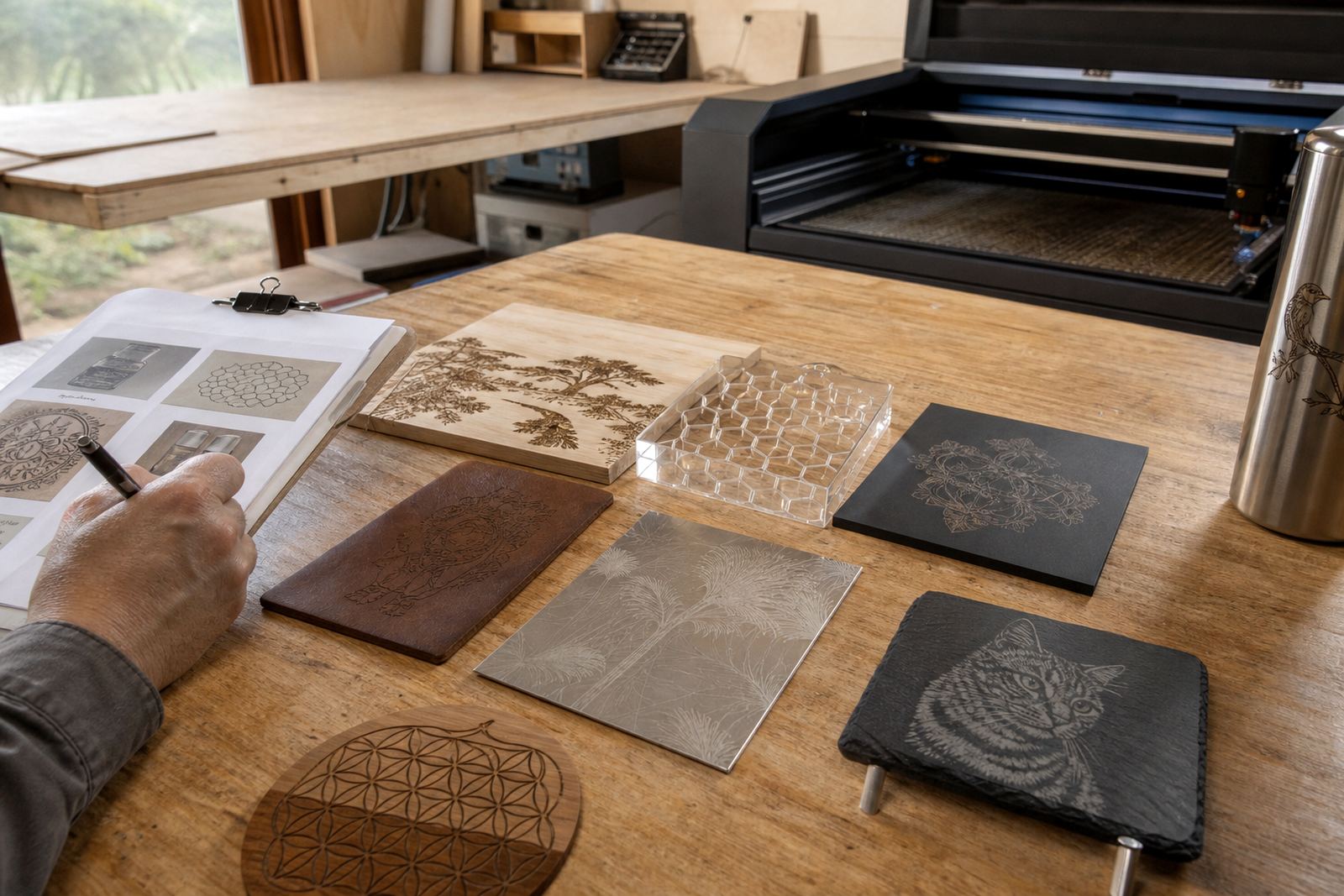
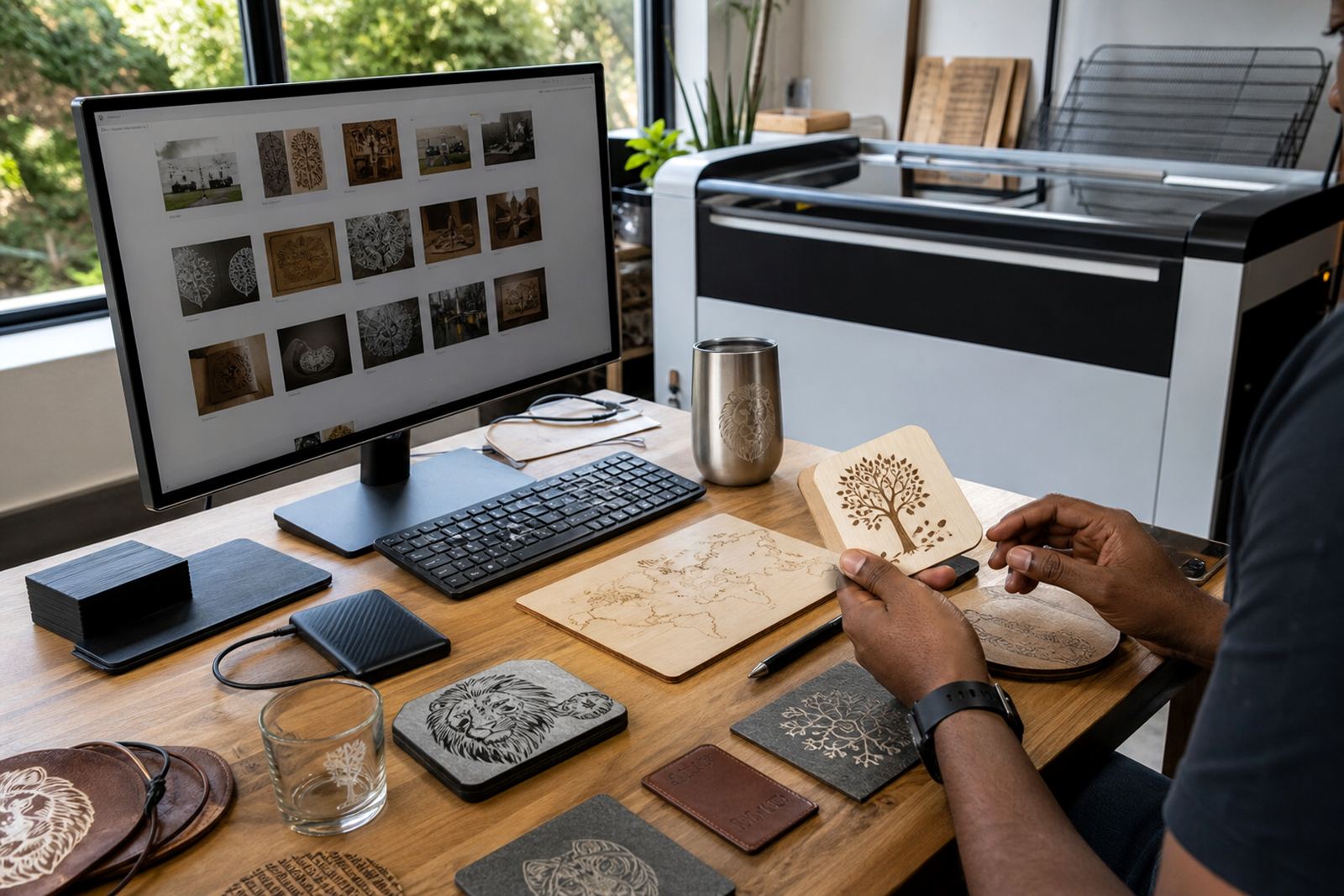
For wood, acrylic, glass, leather and metal, the file must suit the material and the marking method. A file that works for print is not always suitable for engraving. We convert and tidy artwork so line weights, text sizes and filled areas behave as expected on the machine, including small items like serial numbers, batch codes and names. It saves back-and-forth and keeps the job moving, especially when the original file was sent from a phone or scanned in a hurry.
What We Check Before the Job Goes to Production
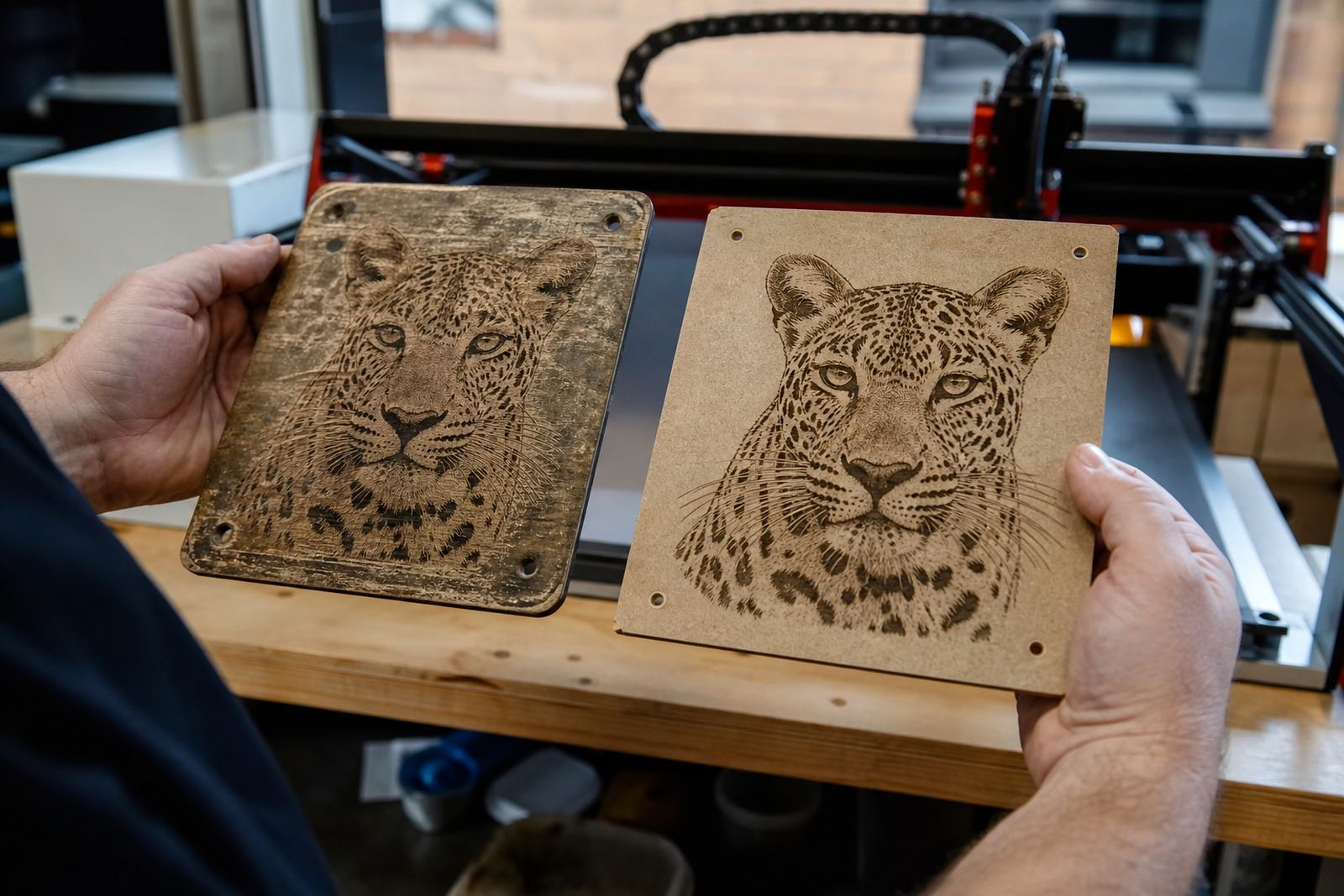
Every conversion starts with a review of the supplied file and the intended use. If the artwork is a low resolution image, we check whether it can be traced, redrawn or rebuilt in a cleaner format. If it is already vector artwork, we confirm that the curves, fonts and spacing are suitable for engraving rather than print or web use.
- Common file types are checked for clarity and scale
- Fonts are identified, substituted or redrawn where needed
- Logos are cleaned for sharp edges and better detail retention
- Text is adjusted so names, dates and serials stay legible
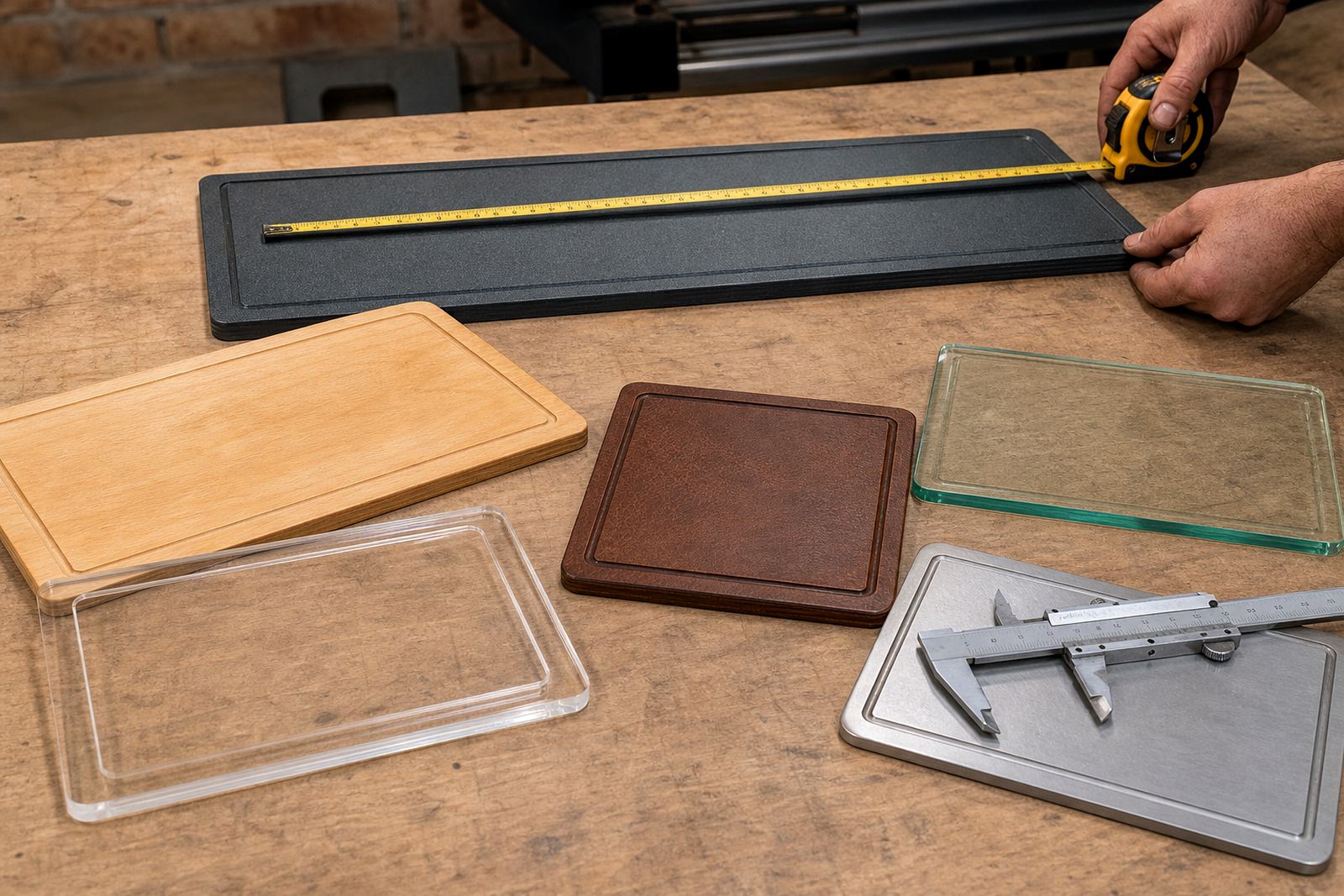
- Artwork is sized for the material and final item dimensions
- Problem areas are flagged before production starts
How the Conversion Process Works
Once we have the artwork, we follow a simple process. First we assess the file and confirm what is required for engraving or marking. Next we redraw, trace or convert the artwork into the format suited to the job. After that we check spacing, alignment and the amount of detail, then prepare a proof for approval where required. It is a practical step by step process, no fuss.
For batch personalisation, the setup may include variable fields for different names, reference numbers or product codes. That helps with repeat runs and reorder matching, while keeping each item consistent. If a client is sending work from Pretoria, Centurion or Midrand, we can usually coordinate the file handoff quickly, and courier delivery is available across South Africa for completed items.
File Standards and Material Specs We Work To
Good engraving depends on more than just a nice logo. The file needs the right structure, clean edges and sensible proportions for the chosen surface. Fine detail that looks crisp on screen can be too small for wood grain, reflective metal or curved glass, so we adapt the file to suit the material and the item size.
- Vector artwork is preferred for logos, icons and clean line work
- Text should be editable where possible, or supplied as outlined shapes
- Images need enough resolution for clear conversion without blockiness
- Small detail is reviewed carefully for leather, glass and brushed metal
- Line spacing and negative space are checked so fill does not close up
- Final artwork is set to the correct size in millimetres or metres where needed
For signs and product marking, we also consider mounting options, packaging prep and how the finished piece will sit in its final space. In coastal areas such as Durban, material choice and finish matter as much as the file, because humidity can affect some substrates over time.
Turnaround, Revisions and Proof Approval
Turnaround depends on the condition of the supplied artwork and how much conversion is needed. A clean file may only need sizing and formatting, while a poor quality image can require redraw work and more detailed proofing. We keep clients informed at each stage so there are no surprises when the file reaches production.
Most jobs move through one or more proof stages before engraving begins, especially where names, dates or product codes must be exact. If changes are needed, we revise the file and resubmit it for approval. That keeps the final result aligned with the brief and reduces waste, which matters when materials are already cut or prepped.
Pricing Approach and Ongoing File Maintenance
Pricing is based on the amount of conversion work required, the complexity of the artwork, whether a logo must be redrawn, and how many variations need to be prepared. Simple file cleanup is treated differently from a full rebuild of artwork with multiple names or product lines. We quote according to the job at hand, not a one size fits all approach.
For businesses that reorder regularly, we also keep file versions organised for matching later jobs. That helps when a sign, tag or gift needs the same layout months down the line. It stops small errors from creeping in over time.
The people at the Pretoria East studio
Working from Wapadrand in Pretoria East, LightBurn Engraving assists clients in Pretoria East, Pretoria, Centurion, Midrand, Johannesburg, Durban, Gauteng and throughout South Africa. Our team includes Thabo Abrahams, Snethemba Khoza, Johan Hadebe, Ayesha Zwane, Sipho Hendricks and Lindie Lombard, so the file handling, artwork checks and dispatch process are properly managed from start to finish.
Clients reach us through the enquiry form on our contact page, where they can send artwork details and explain the material, size and end use. If the file needs conversion for wood, acrylic, glass, leather or metal, we will guide the next step and keep the artwork fit for production. It is the sort of practical support that makes a difference when the deadline is close and the spelling must be right.
Job details
| Service type | Artwork file conversion for laser engraving |
|---|---|
| Common inputs | PDF, JPG, PNG, SVG, AI, EPS and similar artwork formats |
| Output purpose | Production-ready files for signs, gifts and product marking |
| Materials supported | Wood, acrylic, glass, leather and metal |
| Working area | Pretoria East, Pretoria, Centurion, Midrand, Johannesburg and Durban |
| Delivery | Courier delivery available across South Africa |